After years of conflict, Ukrainians no longer want to fight.
Gallup polling published Thursday showed that Ukrainian support for the war effort has plummeted, where 69% of respondents want a negotiated end of the war as soon as possible. In contrast, only 24% said they want to continue fighting “until victory.”
The numbers contrast dramatically from Gallup polling taken at the start of the conflict in 2022, when 73% of Ukrainians said they supported fighting against Russia until victory was achieved.
The new Gallup polling, which surveyed Ukrainians last month, also suggests creeping pessimism, with 68% of respondents saying they found it unlikely that active fighting would end in the next year.
The new survey comes in the wake of the first major anti-government protests in Ukraine since the war began, with demonstrators signaling frustration with Zelensky over his now-nullified legislation that would have given Ukraine power over key anti-corruption agencies.
Broadly, Ukrainians have suffered tremendously since the war began in 2022. Tens of thousands of its troops have died and hundreds of thousands more have been injured fighting the Russian military. And frequent missile and drone attacks, especially in recent months, have caused heavy civilian casualties.
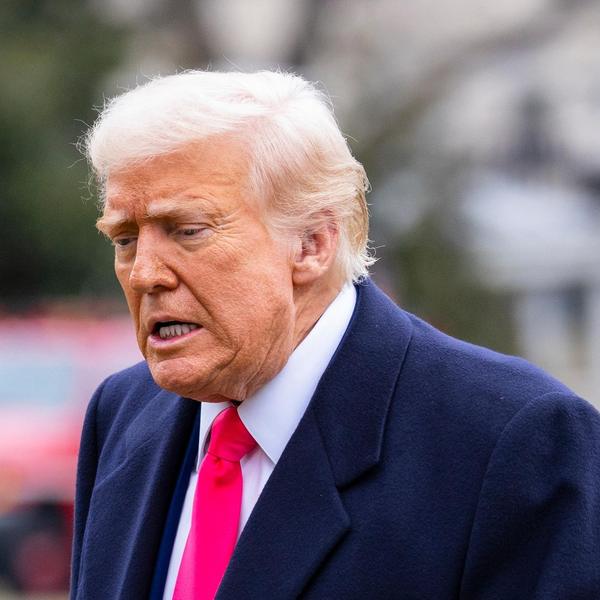
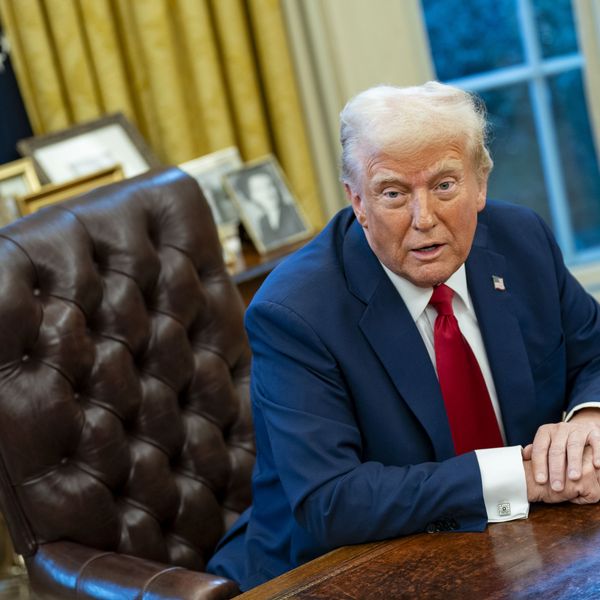
"There are thousands of young people dying, mostly soldiers, but also, you know, missiles being headed to Kiev and other places…it's a terrible situation,” President Trump said Wednesday, lamenting the heavy loss of life, especially experienced by young people.
To this end, independent activist and Quincy Institute non-resident fellow Almut Rochowanski told RS about her Ukrainian friends’ experience and what they have lost during the war.
Ukrainians “have lost so much they know they can never regain, especially if they have been displaced by occupation or because their beloved home towns have been wiped from the face of the earth. They cannot pass on their heritage, their community and traditions and identity, to the next generation. Millions of Ukrainians are now abroad, the most agile and productive among them, unlikely to ever return to live there,” Almut Rochowanski told RS.
“I've heard many of my Ukrainian friends speak about how they ask themselves whether this or that military gain would be worth the loss of their husband, brother, son or friend who is serving. Would any of us answer this question in the affirmative?,” she asked. “Over time, these thoughts and considerations have become more powerful and people also overcome the social desirability factor in public polls and will say what they really think.”
Rochowanski stressed that average Ukrainians’ views should be centered in negotiations toward peace.
In other Ukraine news this week:
Reuters reported Tuesday that Denmark, Norway and Sweden plan to provide about $500 million toward a NATO initiative that provided Ukraine with European-bought U.S. weapons, including Patriot missiles. These countries’ intended contribution is part of a $1 billion deal, where the Netherlands pledged the other $500 million.
On Sunday, The Hill reported that Trump claimed that nuclear submarines are "in the region" of Russia. The development follows a spat between Trump and former Russian president Medvedev last week, which led Trump to say he would send submarines there, but not specifying nuclear powered or nuclear armed, or where in the region they would go.
Trump hit India with 50% tariffs for buying Russian oil, where he slapped it with a 25% tariff Thursday after imposing a 25% tariff last week. On Tuesday, Trump told CNBC that India’s oil purchases from Russia are prolonging the conflict: "We settled on 25% [tariffs] but I think I'm going to raise that very substantially over the next 24 hours, because they're buying Russian oil. They're fueling the war machine."
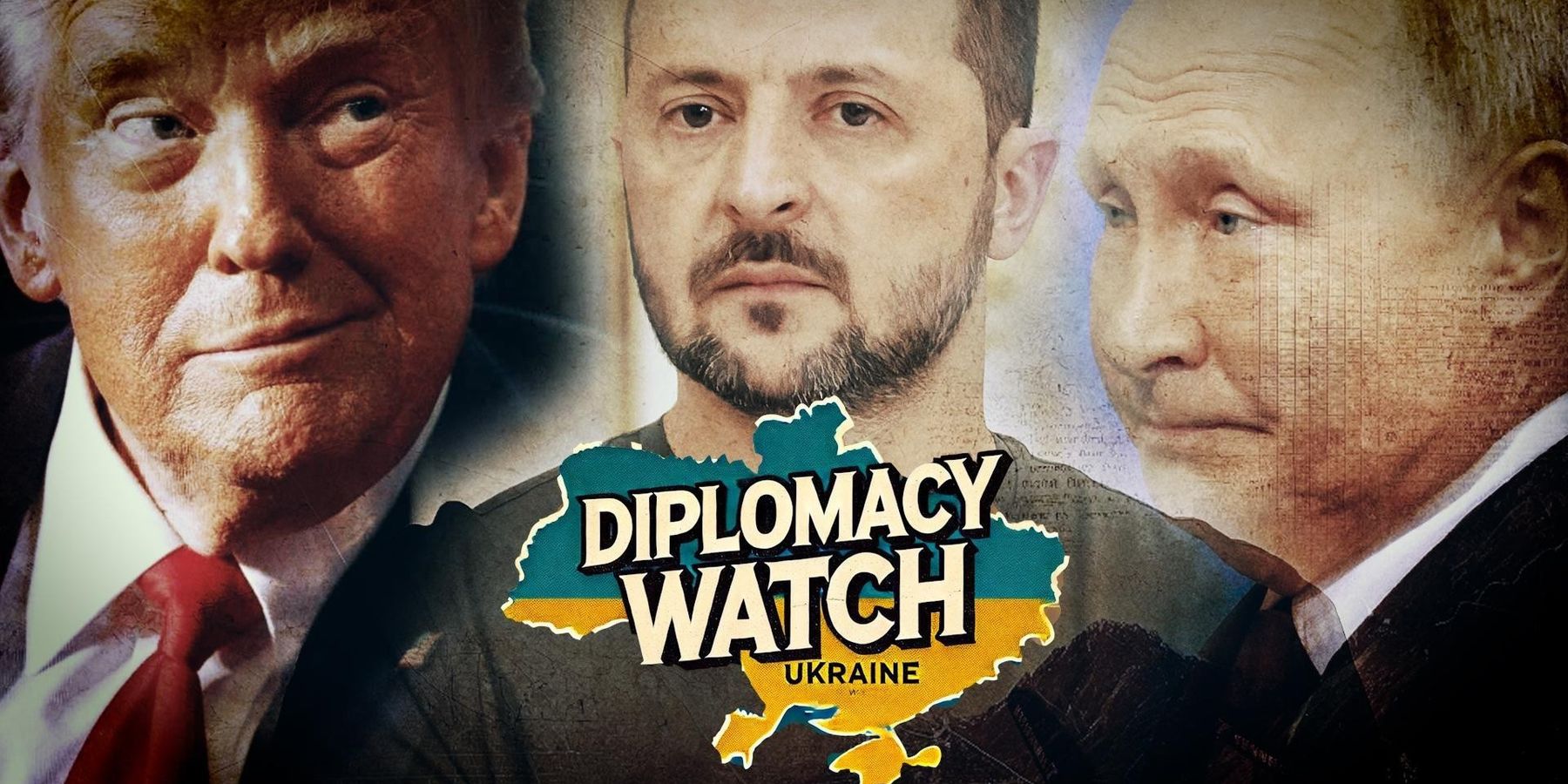
Reuters reported that U.S. special envoy Steve Witkoff met with Russian President Vladimir Putin for about three hours Wednesday. These talks have been considered productive; in their wake, a possible meeting between President Trump and Putin could take place as early as next week.
From State Department Press Briefing August 7
Asked about whether Trump would impose sanctions on Russia on Friday, State Department Deputy Spokesperson Tommy Pigott said: “A lot of speculation involved there, I’m not going to get involved from there.” Trump threatened sanctions on Russia if 10 days passed without meaningful progress toward a negotiated end to the conflict; that “deadline” passes on Friday.
“It is a credit to [Trump’s] leadership that we've seen the engagement we have seen,” Pigott said broadly of recent diplomatic engagements. “The parties come to the table when they have come to the table, and [that there is] further engagement to try to pursue peace here.”