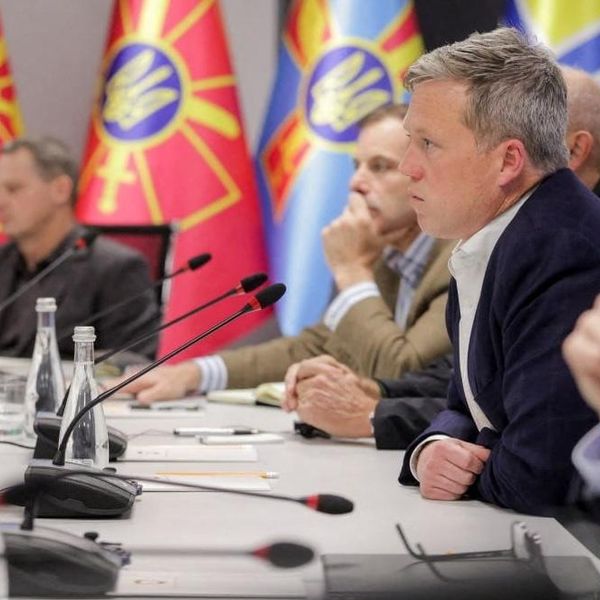
The recent flurry of diplomatic activity surrounding Ukraine has revealed a stark transatlantic divide. While high level American and Ukrainian officials have been negotiating the U.S. peace plan in Geneva, European powers have been scrambling to influence a process from which they risk being sidelined.
While Europe has to be eventually involved in a settlement of the biggest war on its territory after World War II, so far it’s been acting more like a spoiler than a constructive player.
The core of the current negotiation effort is the American plan, which Secretary of State Marco Rubio and Ukrainian officials in Geneva reportedly agreed to reduce from an initial 28 points to19. Critically, the most sensitive issues — namely territorial compromises and the final status of Ukraine’s aspiration to join NATO — have been reportedly deferred for direct talks between Donald Trump and his Ukrainian counterpart Volodymyr Zelensky.
Into this fragile process, European capitals have thrown a wrench. Having circulated various "counter plans," they have now settled on a different tactic: offering unsolicited amendments to the American proposal.
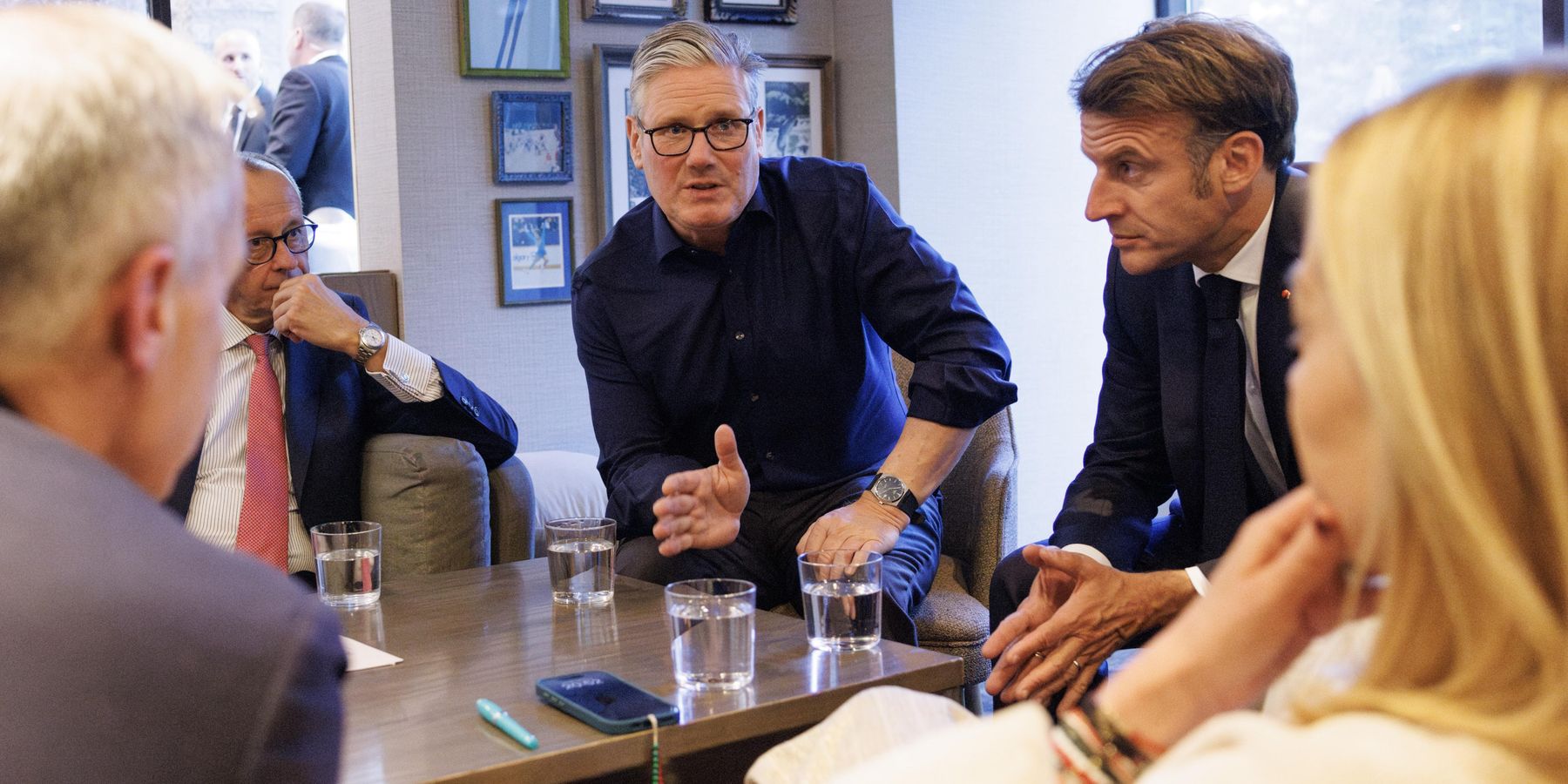
The effort is reportedly being led by the E3 – Britain, France and Germany. Rubio, however, poured cold water on those efforts by stating in Geneva that he was "unaware of any European drafts." Tellingly, he refused to meet with the EU’s High Representative for Foreign Affairs, Kaja Kallas, a former Prime-Minister of Estonia. This is a stunning diplomatic snub that highlights her profound incompetence as the embodiment of the maximalist position consisting, in her own words, only in “weakening Russia and supporting Ukraine”.
A Rubio snub ought to render her position utterly untenable. A foreign policy chief who cannot secure a meeting with the U.S. Secretary of State to end the war in Europe is not a diplomat; she is an obstacle to peace.
It remains to be seen what specific amendments Europeans are introducing to the American plan but based on the principles they have expressed so far, including in the previously leaked counterplans, some of their amendments would almost certainly amount to poison pills designed to ensure the deal's collapse.
That could then be blamed on Moscow and used to justify a return to a default setting of a protracted war. Nowhere is this more evident than on the issue of NATO.
The original American draft contained clauses directly addressing the alliance, which is Russia's primary security grievance. It stated, “It is expected that Russia will not invade neighboring countries and NATO will not expand further,” and that “Ukraine agrees to enshrine in its constitution that it will not join NATO.” This was the absolute core of the proposal — an acknowledgment that ending the war requires confronting the question of European security architecture, namely, the place of NATO and Russia in it.
The European initial counter-proposal, by contrast, excised these clauses entirely. It removed the principle of no further NATO expansion and, regarding Ukraine, merely noted that a consensus for membership does not currently exist, while deliberately leaving the door open for a theoretical future accession.
For Moscow, which launched a war largely to prevent this exact scenario, agreeing to a ceasefire that leaves that door ajar is an unequivocal surrender of its stated war aims. By insisting on keeping the 2008 Bucharest Summit promise to keep the door open to NATO membership for Ukraine alive, Europe is ensuring the Kremlin will dismiss the entire proposal outright.
This is the fatal flaw of the European approach. It appears a strategically cynical move, allowing European leaders to posture as defenders of Ukrainian sovereignty while ensuring the war continues. They can then blame Moscow for the talks' collapse, claiming, “We offered Putin a path back, and he chose war.”
The strategic calculus here is brutally simple. The American plan, for all its flaws, represents a politically viable path to ending the slaughter. By embedding these poison pills, Europe is scripting a scenario where Moscow refuses, the West demands more sanctions on Russia, more and better weapons for Ukraine, and the war escalates into a bloody next chapter, leading, down the road, to a potential nuclear standoff.
- Trump's '28-point plan' for Ukraine War provokes political earthquake ›
- Critics of Ukraine peace deal must answer: What's the alternative? ›