

An apparent interagency dispute over testing counter-drone lasers, is wreaking havoc across parties — and airspaces — alike.
On Tuesday evening, the Federal Aviation Administration (FAA) closed the airspace surrounding El Paso International Airport, then re-opened it Wednesday morning. Transportation Secretary Sean Duffy, and DoD and White House officials blamed the closure, originally set to be 10 days long, on Mexican cartel-owned drones violating U.S. airspace. Administration officials have said the military disabled at least one drone.
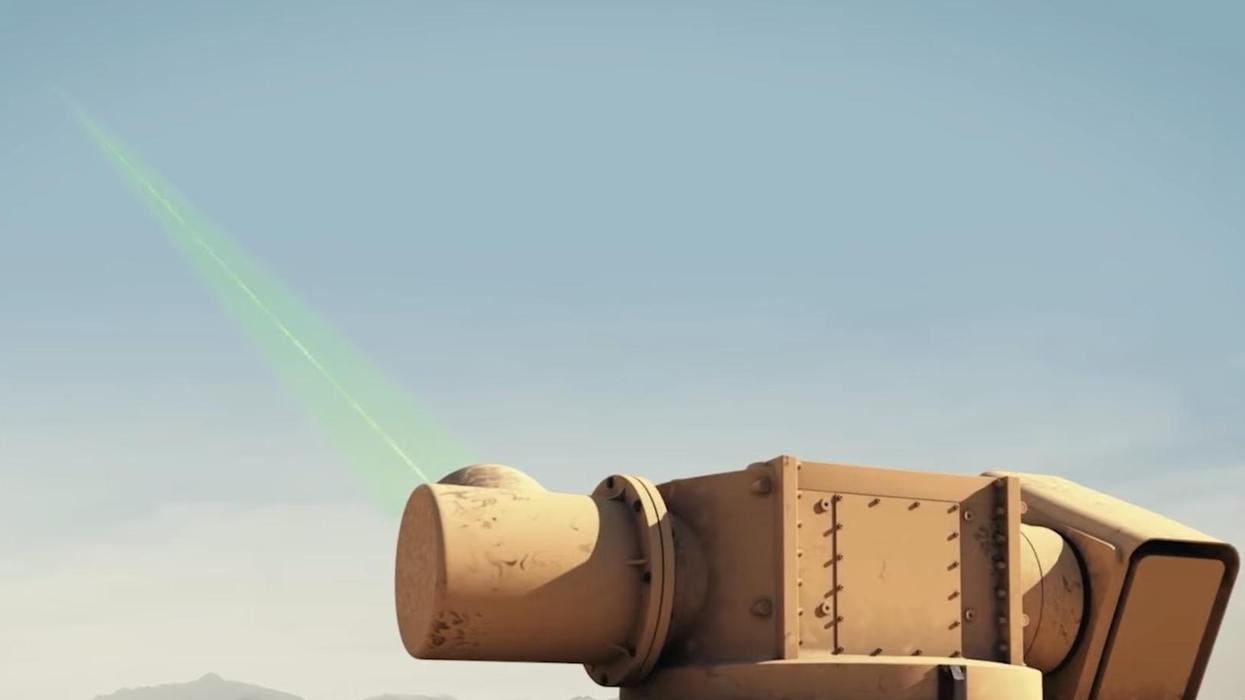
But reports suggest that an interagency spat over an apparent test of a high-energy counter drone laser in the region — despite FAA concerns that the tech is risky for aviation — contributed to, or caused, the airspace closure. The Pentagon has previously tested the tech in more remote areas of the country.
At one point, reports suggest, U.S. Customs and Border Protection (CBP) — which borrowed the counter-drone laser tech from the DoD — even used it to attack what it thought were cartel-owned drones incurring U.S. airspace. In fact, CBP attacked at least one mylar balloon. (Earlier reporting has suggested the military, rather than CBP, carried out the attack.)
That mishap contributed to the FAA's closure of the airspace Tuesday night, without notifying White House, Pentagon or Homeland Security officials.
Federal agencies have largely remained silent over the controversy. When asked by the New York Times earlier today, a DoD spokesperson reasserted that the airspace closure was because the military was responding to a drone incursion.
While everything has since reopened, the confusing chain of events momentarily stoked fears of heightened tensions, if not outright conflict, with Mexico, just over the border from El Paso.
“Counternarcotics is a very difficult job, especially since cartels enjoy almost unlimited resources and have long been creative in their use of sophisticated technology. Drones are just the latest example,” Alan McPherson, a professor at Temple University who specializes in the history of U.S.-Latin America relations, told RS.
“Nevertheless, the FAA and others in the federal government need to be more forthcoming and consistent in the information they share with the public. To abruptly close an important border airport for an intended 10 days only to reopen it hours later will only fuel suspicion among the general public.”
President Trump has on numerous occasions publicly suggested using the military, specifically U.S. Special Forces, to attack Mexico’s drug cartels.
This is a developing story and will be updated accordingly.
- Army Secretary: Love the killer drone or be left behind ›
- Israeli wants to put 'Iron beam' laser on Trump’s Golden Dome ›