After a U.S. military operation to remove Venezuelan leader Nicolas Maduro from Venezuela, the U.S. Senate has narrowly advanced a War Powers Resolution to block the use of military force against the country.
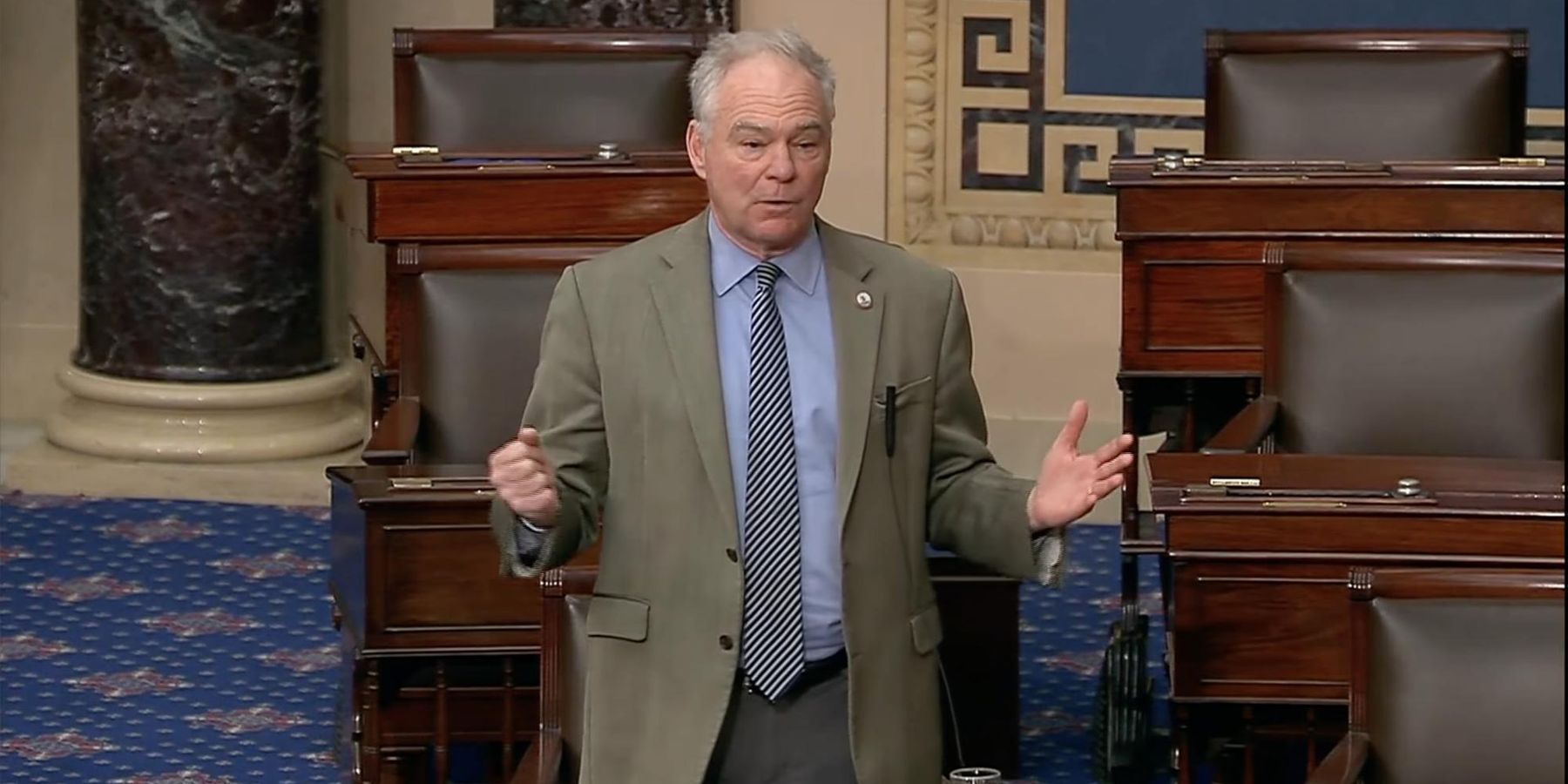
The resolution, sponsored by Sen. Tim Kaine (D.-Va), passed a motion to discharge from the Senate Foreign Relations Committee in a 52-47 vote, largely along party lines. Republicans largely voted against the resolution, and Democrats were unanimous in voting for it.
But it needed GOP lawmakers to pass. Sens. Susan Collins (R-Maine), Todd Young (R- Ind.), Rand Paul (R.-Ky.), Josh Hawley (R-Mo.), and Lisa Murkowski (R-Ala.) sent it over the top. If the final full Senate vote falls along the same lines, it will mark the first time since 2020 that the Senate has moved to restrict the president’s ability to use force abroad.
Before the vote, resolution supporters stressed Congress must assert its authority to decide when to go to war.
“If we do not assert these powers, if we don't stand up, not just for our branch of government, but for the American people, there is no telling and no stopping what comes next, because the administration has made it clear that Venezuela is the opening salvo,” Sen. Adam Schiff (D-Calif.) said.
“Will it be Cuba next, or Colombia or Mexico or Greenland, for crying out loud? This is the moment where we need to stand up and exercise our power as part of the government that is closest to the people, to make it clear that no president can commit our military forces absent an attack on our country or imminent threat of invasion without the approval of Congress,” Schiff said.
“Congress exists to provide oversight and scrutiny of the executive branch, not to cheer from the side lines. I commend our servicemen for their performance last weekend, but I am deeply concerned by the Trump administration's lack of serious planning for the next phase,” Sen. Jack Reed (D-R.I.) said. “That is why this war powers resolution is necessary. The Constitution divests the power to authorize war in Congress, not the president."
Some also spoke about the risks the operations pose to the nation’s armed service members.
“Whether you go in trying to do a limited military operation or not, at the end of the day, it’s American sons and daughters from places like Michigan that are called up to create calm, to create stability,” Sen. Elissa Slotkin (D-Mich.) said on the Senate floor yesterday. “This Administration has been very open about the fact that they now believe they own Venezuela.”
Recent War Powers Resolutions either to block hostilities against Venezuela, or against the so-called “narcoterrorist” boats the U.S. has been striking around the Caribbean since September, have failed.
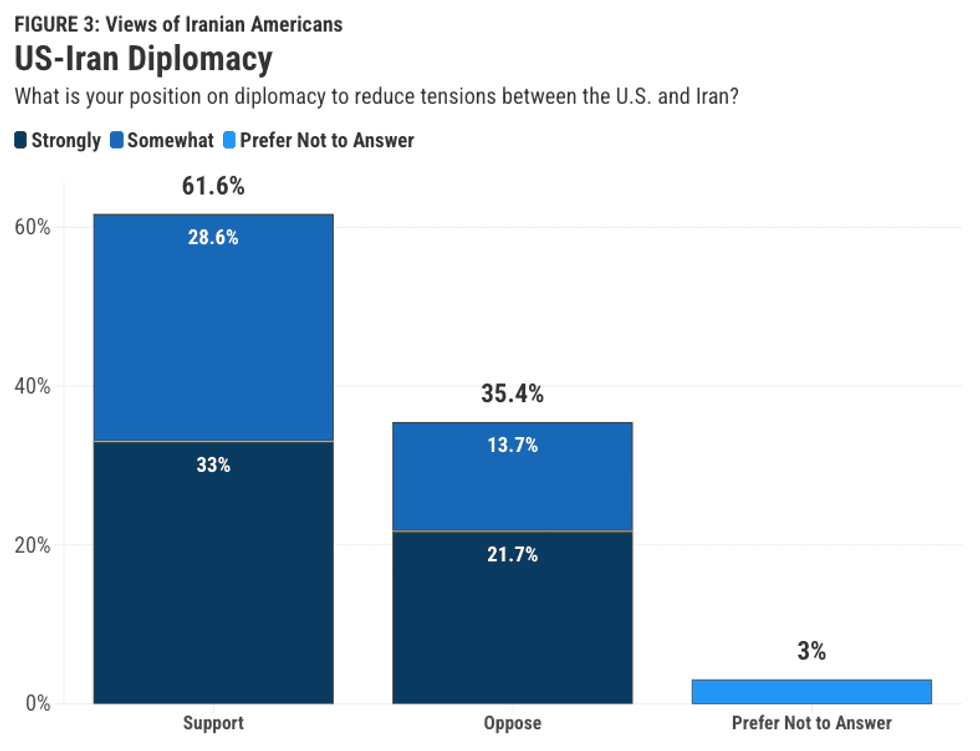 Screengrab via niacouncil.org
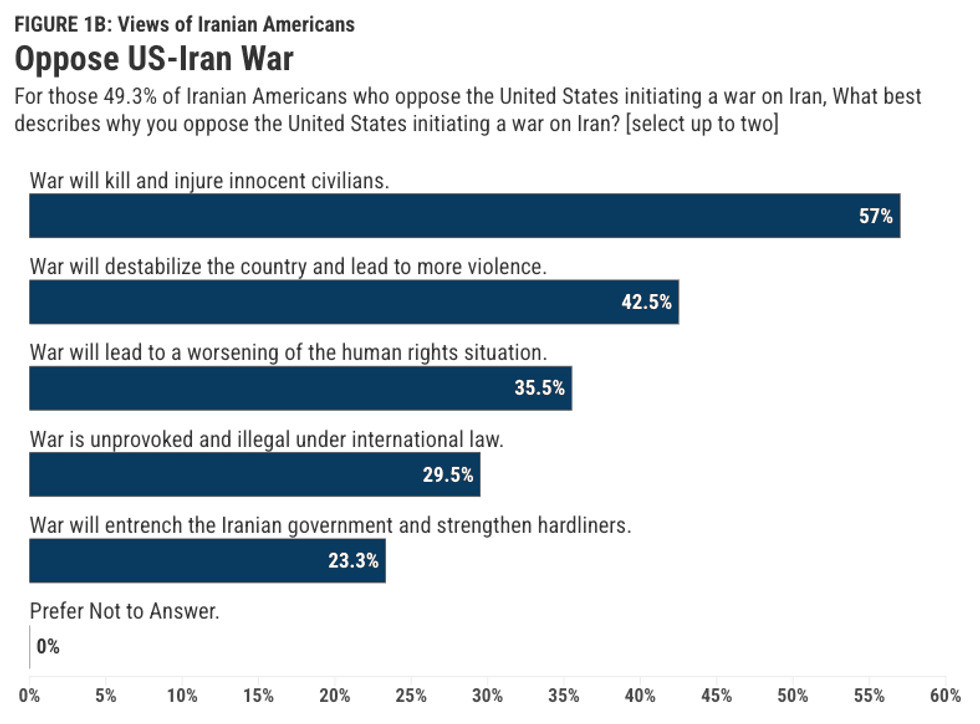 Screengrab via niacouncil.org