Follow us on social

google cta
Dan Driscoll Army Secretary

Who is Dan Driscoll, suddenly at the center of Ukraine peace talks?

The Army Secretary’s new duties are sparking chatter and wondering where that leaves his boss Hegseth

QiOSK
google cta
google cta

Little known in Washington mere months ago, Army Secretary Dan Driscoll is now front and center in diplomatic efforts to end the war in Ukraine. But who is he?

A North Carolina native, Driscoll served in the Iraq war in 2009 before leaving the Army at the rank of first lieutenant. He leapt to the forefront of American politics upon his ascension to Army Secretary in February of this year. This was no doubt fostered through his association with Vice President J.D. Vance, a close friend at Yale law school.

Like Vance, Driscoll pursued venture capital after law school, for two years serving as the COO of FlexCapital, whose investments fuel startups in the financial tech and enterprise, and consumer software industries. Driscoll brought this work experience to his current job with the recently announced FUZE program, where the Army intends to put hundreds of millions each year toward relatively high risk investment strategies in hopes of bolstering innovation and speeding up the defense procurement process.

Driscoll has not been a stranger to politics, either, running an unsuccessful bid for Congress in 2020, failing to make headway in a crowded Republican primary in North Carolina’s eleventh district.

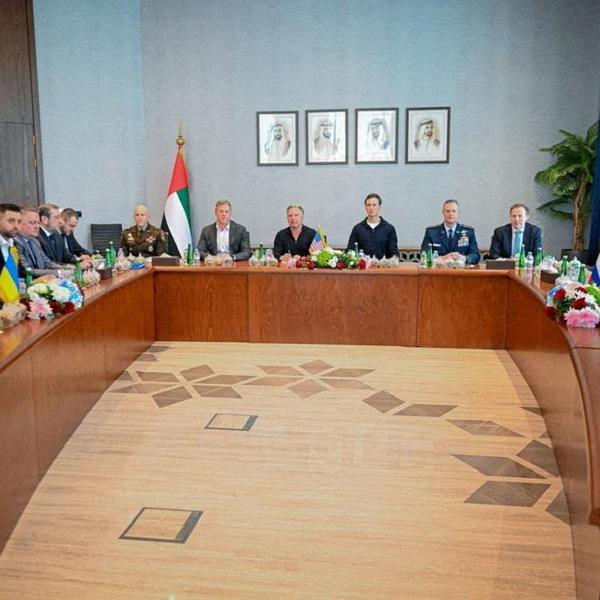
Years later, the former venture capitalist finds himself on the national stage. Amassing critical diplomatic duties toward ending the war in Ukraine, Driscoll is a primary negotiator in ongoing talks in Abu Dhabi. He has quickly accrued other responsibilities: Trump appointed him to be the Acting Director of the Bureau of Alcohol, Tobacco, Firearms and Explosives (ATF) in April.

This has generated the usual Washington gossip, with chatter that Secretary of Defense Pete Hegseth is being sidelined by his underling, and that Driscoll might even replace him.

A source told Politico late last week: “There’s not a lot of trust in Hegseth to deliver [diplomatic] messages to key leaders…There is more trust in Dan to do that right now.” The online political magazine Puck asserted Driscoll was “gunning” for Hegseth’s job earlier this month. Another source told the NY Post, in contrast, that Driscoll “has no interest in butting heads with Pete.”

Other observers say it is not surprising that Hegseth is not involved in current Ukraine war talks.

“From a protocol point of view, that's not something that you would expect the Secretary of Defense to do,” George Beebe, director of grand strategy at the Quincy Institute and former director of the CIA's Russia analysis, told RS. “This is, however, an expression of the president's confidence in Dan Driscoll, and it's quite likely that his star will continue to rise if these negotiations are successful.”

Trump posted on Truth Social Tuesday, mentioning Driscoll’s role in upcoming Ukraine war talks, but also that Hegseth and other high level officials would be briefed soon on their progress. White House Press Secretary Karoline Leavitt also dismissed reporting suggesting a cabinet shakeup is in the works.

Hegseth will meet with leaders of the Dominican Republic Wednesday, to strengthen defense relationships there.


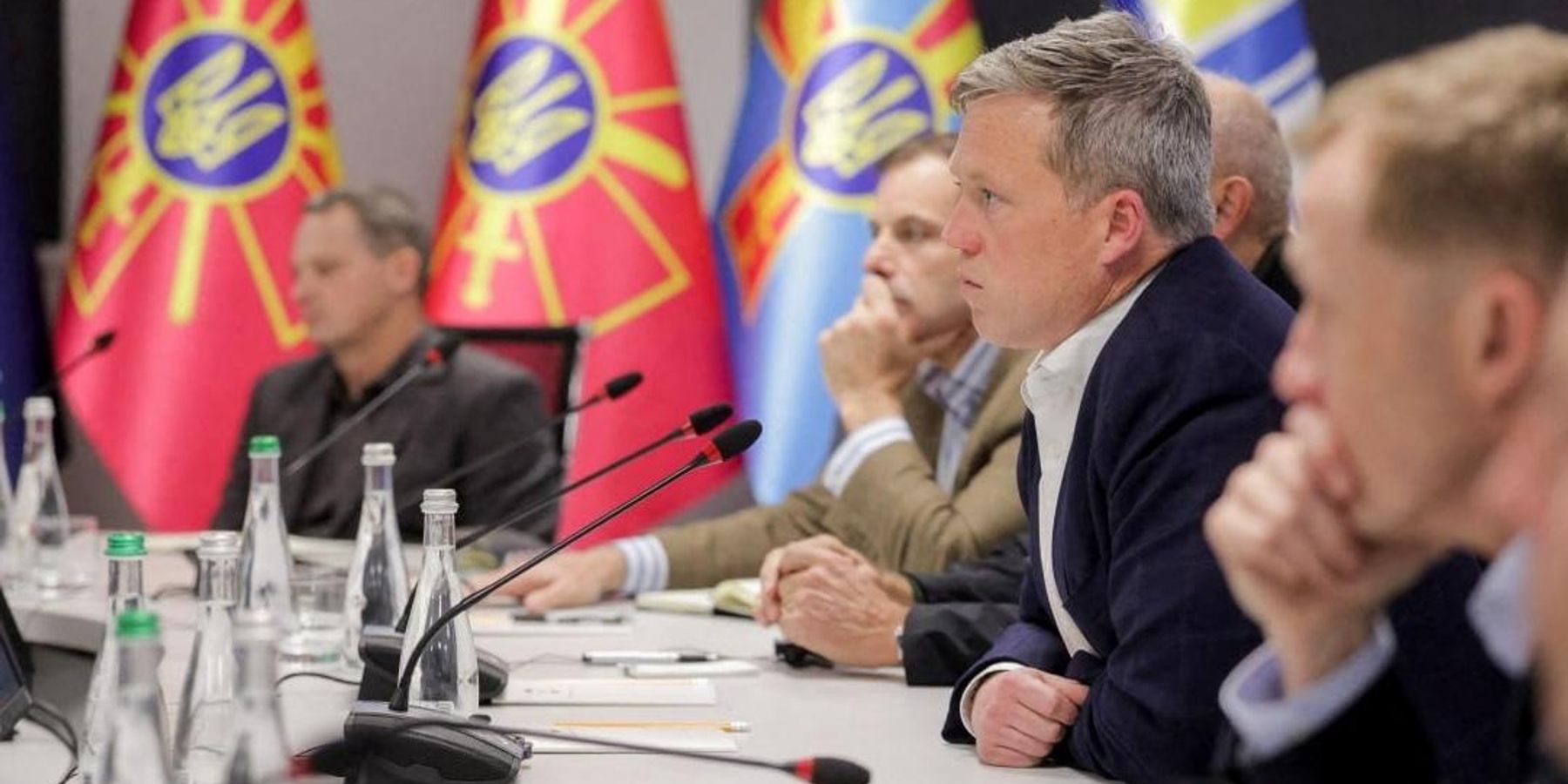
Top Image Credit: U.S. Army Secretary Daniel Driscoll meets with Ukrainian Defence Minister Denys Shmyhal, amid Russia's attack on Ukraine, in Kyiv, Ukraine November 19, 2025. Press Service of Ukrainian Defense Ministry/Handout
google cta
QiOSK
Cutting this much red tape, Santa comes early to weapons industry
Top photo credit: Shutterstock AI

Cutting this much red tape, Santa comes early to weapons industry

Military Industrial Complex

The annual defense policy bill is not yet over the finish line, but the arms industry already seems to have won it big.

The final conference version of the fiscal year 2026 National Defense Authorization Act (NDAA) would codify a total overhaul of the weapons acquisition process. The bill includes several key provisions to eradicate what mechanisms remain for policymakers to control military contract prices, securing windfall future profits for military contractors.

keep readingShow less
If they are not human, we do not have to follow the law
Top photo credit: Iraqi-American, Samir, 34, pinning deposed Iraqi leader Saddam Hussein to the ground during his capture in Tikrit, on Saturday, December 13, 2003. (US Army photo)

If they are not human, we do not have to follow the law

Washington Politics

“Kill everybody” was what Secretary of Defense Pete Hegseth reportedly instructed the Special Operations commander as alleged drug smugglers were being tracked off the Trinidad coast.

A missile strike set their boat ablaze. Two survivors were seen clinging to what was left of their vessel. A second U.S. strike finished them off. These extra-judicial killings on Sept. 2 were the first in the Trump administration’s campaign to incinerate “narco-terrorists.” Over the past two months, at least 80 people have been killed in more than 20 attacks on the demonstrably false grounds that the Venezuelan government is a major source of drugs flowing into the United States.

keep readingShow less
NATO
Top photo credit: Keir Starmer (Prime Minister, United Kingdom), Volodymyr Zelenskyy (President, Ukraine), Rutte, Donald Tusk (Prime Minister, Poland) and Friedrich Merz (Chancellor of Germany) in meeting with NATO Secretary, June 25, 2025. (NATO/Flickr)

Euro-elites melt down over NSS, missing — or ignoring — the point

Europe

The release of the latest U.S. National Security Strategy (NSS) has triggered a revealing meltdown within Europe’s political and think-tank class. From Berlin to Brussels to Warsaw, the refrain is consistent: a bewildered lament that America seems to be putting its own interests first, no longer willing to play its assigned role as Europe’s uncomplaining security guarantor.

Examine the responses. German Chancellor Friedrich Merz finds the U.S. strategy “unacceptable” and its portrayal of Europe “misplaced.” Polish Prime Minister Donald Tusk, for his part, found it necessary to remind the U.S. that the two allies "face the same enemies." Coming from a Polish leader, this is an unambiguous allusion to Russia, which creates clear tension with the new NSS's emphasis on deescalating relations with Moscow.

keep readingShow less
google cta
Want more of our stories on Google?
Click here to make us a Preferred Source.

LATEST

QIOSK

Newsletter

Subscribe now to our weekly round-up and don't miss a beat with your favorite RS contributors and reporters, as well as staff analysis, opinion, and news promoting a positive, non-partisan vision of U.S. foreign policy.