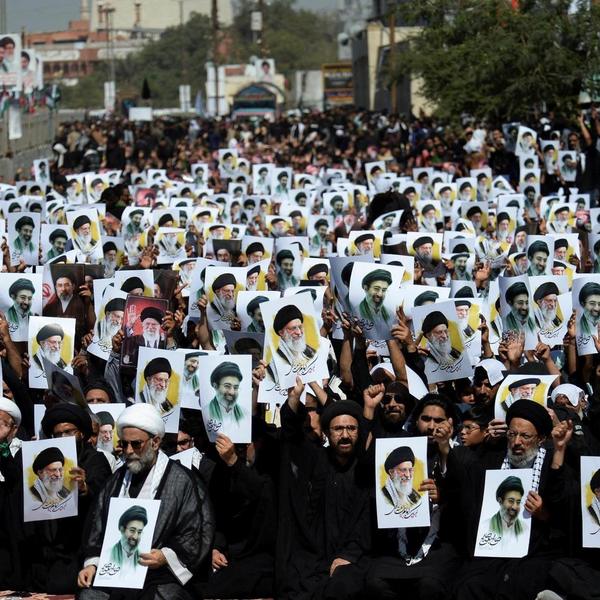
I have not previously witnessed a communications blackout in Iran of this magnitude — not during earlier protest waves, nor during Israel’s confrontation with Iran. What little imagery is emerging, primarily through state television, is highly selective: armed protesters, burning buildings, and official claims of sabotage. Combined with Supreme Leader Ali Khamenei’s defiant address, the picture suggests that an extremely violent crackdown is either imminent or already underway.
If some policymakers are assuming that such a crackdown will increase pressure on Donald Trump to intervene militarily, the evidence suggests the opposite.
First, widespread violence produces precisely the kind of disorder Trump tends to avoid. His record shows a preference for interventions that appear clean, decisive, and low-risk. When military action becomes messy or unpredictable, he pulls back.
Yemen is a useful example. Despite advice to the contrary, Trump authorized strikes against the Houthis, only to reverse course once the promised quick victory failed to materialize — and U.S. aircraft came close to being lost. Iran, amid mass unrest and state violence, would present an even more complex battlefield. Even if protesters appear to gain momentum, Trump is more likely to wait until the last — and safest — moment to act, so that any intervention maximizes political credit at minimal cost.
Second, a violent crackdown may reinforce Trump’s longstanding belief that regimes under existential threat are more likely to lash out than surrender. Until recently, Tehran’s response to unrest had been comparatively restrained by its own standards. The apparent shift toward lethal force signals that the leadership now views this as a fight for survival. The same logic would apply to a U.S. attack: Iran’s limited, largely symbolic responses since 2020 should not be mistaken for passivity. Tehran is signaling that if it sees no exit, escalation — not capitulation — is the likely outcome.
Third, there is no doubt that Israel, Senator Lindsey Graham, and some exile opposition figures will urge Trump to stand by his previous threats. But Trump has repeatedly demonstrated how easily he discards prior statements when they no longer serve his interests. His recent claim that protesters were killed in “stampedes” — a description that no credible observer inside or outside Iran recognizes — illustrates how readily he reshapes narratives to justify disengagement. Crucially, Trump was persuaded to escalate rhetorically in the first place by assurances that the Iranian regime was brittle and incapable of resistance, making intervention easy and fast. Events now appear to be undermining that premise.
Fourth, Trump is more likely to explore a deal — either with Tehran directly or with elements inside the existing power structure — rather than gamble on regime collapse. His approach would be consistent with Venezuela, where he sought leverage over a weakened government without triggering total state breakdown. Channels for such engagement reportedly exist and appear to be active. At the same time, internal pressure on Khamenei to relax certain long-standing non-nuclear red lines is growing as the regime confronts simultaneous internal and external crises.
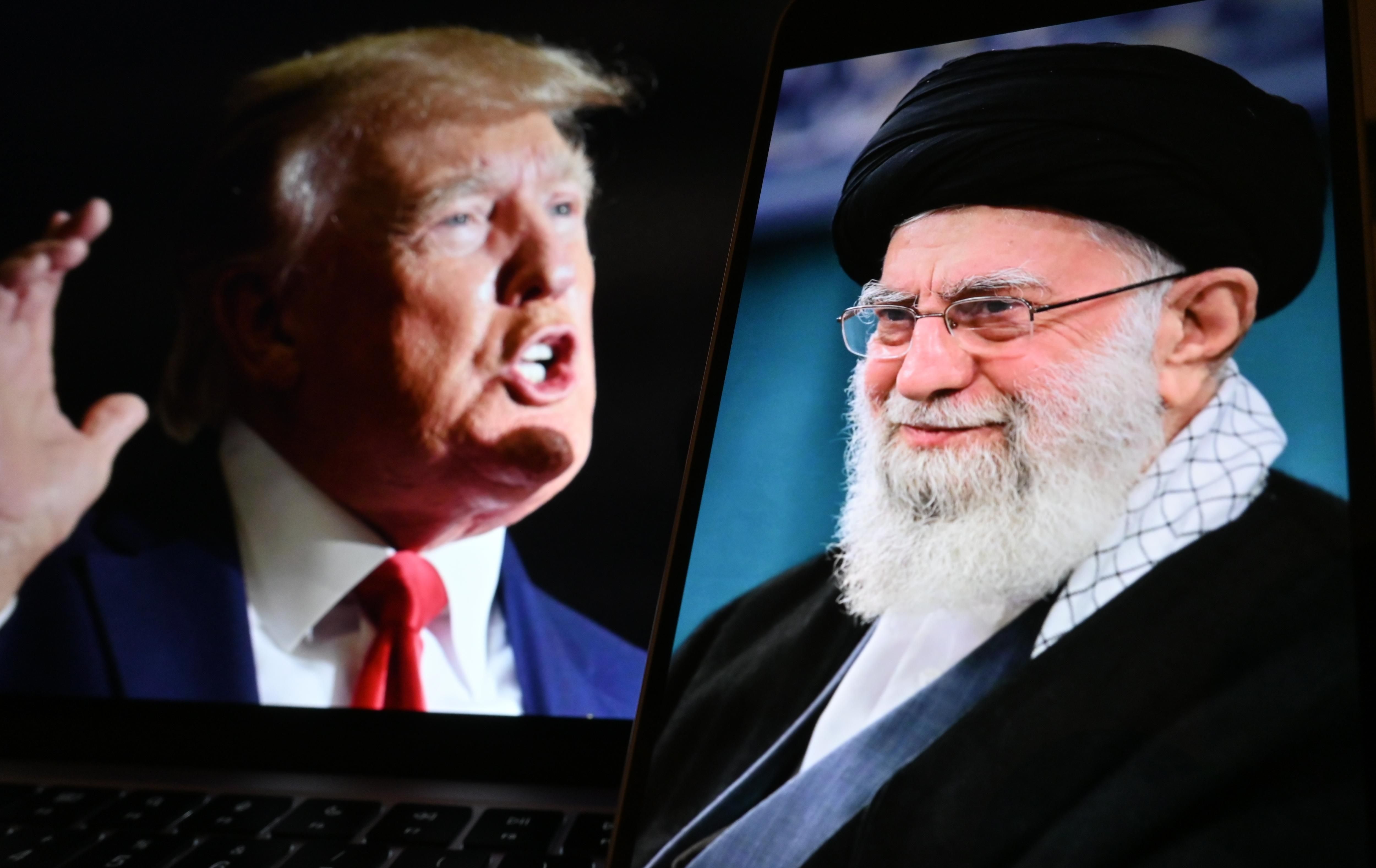
Fifth, Trump’s remarks about the son of the former Shah are revealing. He said it would not be “appropriate” to meet him. Appropriateness is dependent on circumstances — and as circumstances change, so does the appropriateness. Trump is essentially saying that he is not ready to go all in on regime change yet — but he will not wait for Tehran indefinitely either.
Israel, of course, is operating on a different calculus altogether, with interests that diverge not only from Trump’s but also from those of the opposition figures it supports.
The situation inside Iran remains extraordinarily fluid. The communications blackout severely limits reliable information, making verification difficult and confident predictions risky. But the assumption that repression will automatically draw Washington into war rests on a misunderstanding of Trump’s instincts.
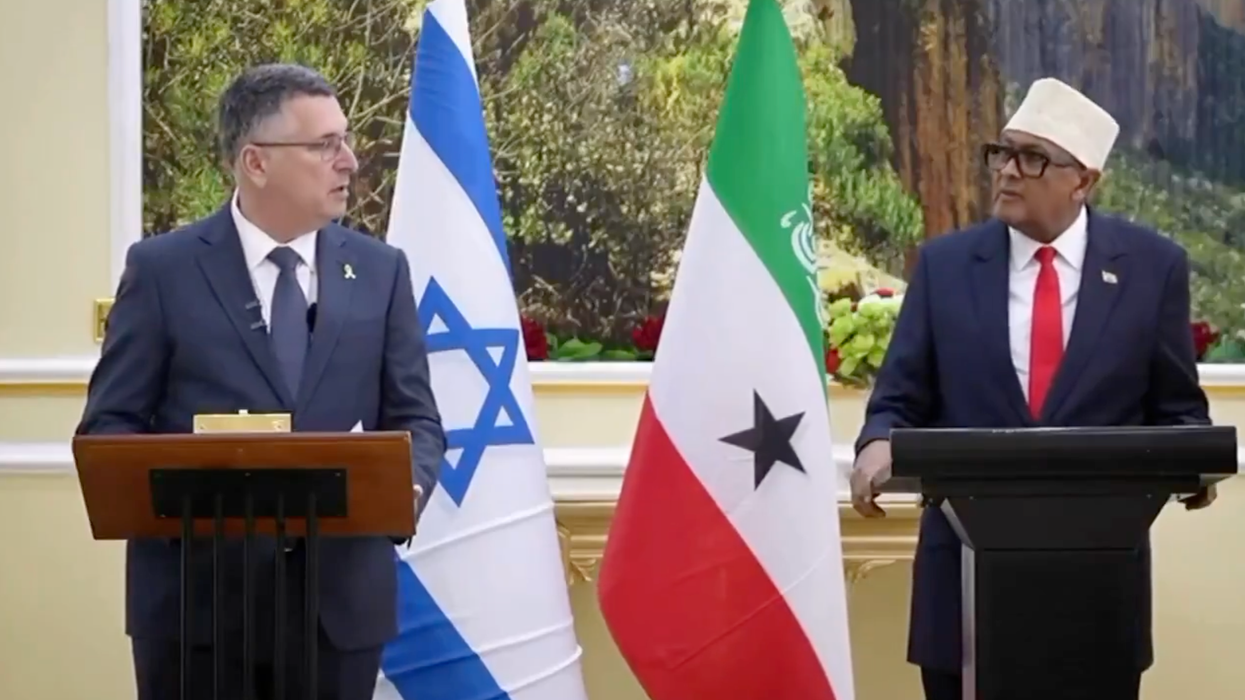
 Screengrab via niacouncil.org
 Screengrab via niacouncil.org