As the U.S. threatens to take “oil, land and other assets” from Venezuela, staffers at the Center for Strategic and International Studies, a think tank funded in part by defense contractors and oil companies, are eager to help make the public case for regime change and investment. “The U.S. should go big” in Venezuela, write CSIS experts Ryan Berg and Kimberly Breier.
Both America’s Quarterly, which published the essay, and the authors’ employer happen to be funded by the likes of Lockheed Martin and ExxonMobil, a fact that is not disclosed in the article.
In the article, titled, “A roadmap for Venezuela’s Future Transition,” Berg and Breier argue that the benefits of regime change in Venezuela outweigh the risks. “[T]he status quo of the repressive, criminal Maduro regime in the heart of the Western Hemisphere is far worse than the risks inherent in the push for change for which the Venezuelan people already voted,” Berg and Breier argue. Venezuela, they say, can be different from Iraq and Libya.
Regime change would no doubt be a boon for defense contractors. “The entire arms industry is set to profit from the buildup and prospect of war,” Stephen Semler, journalist and co-founder of the Security Policy Reform Institute, told RS last month.
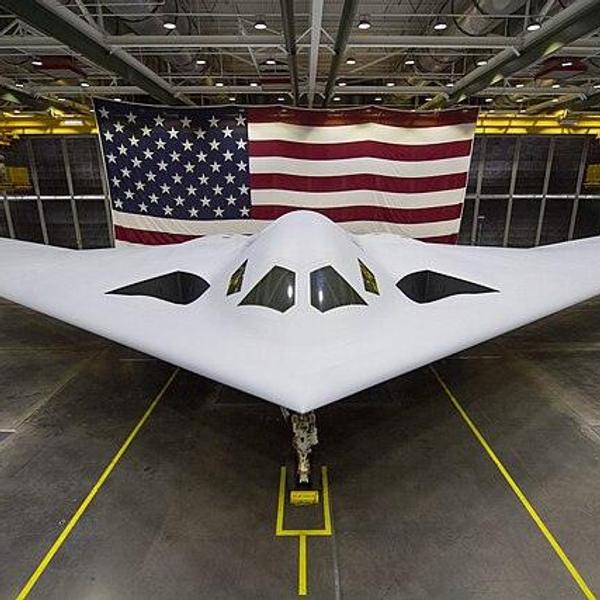
General Atomics, which received a $14.1 billion contract in September for procurement and sustainment of its MQ-9 Reaper Systems which have been used in strikes on boats off the coast of Venezuela, gave CSIS over $250,000 in 2024. Lockheed Martin, which produces the F-16 fighter jets that have been deployed to Puerto Rico, gave CSIS over $250,000. Boeing, which manufactures the B-52s flying weekly missions near Venezuela, donated over $100,000 to the think tank this year.
The Council of the Americas, publisher of the Berg and Breier article, is also funded by many companies that stand to gain from these recommendations, including Lockheed Martin, Exxon, Boeing, and ConocoPhillips. The Council of the Americas did not respond to a request for comment.
Berg and Breier also argue that the U.S. ought to open Venezuela up for foreign investment once Maduro is out. A new bilateral investment treaty, they say, “should define the rules of trade and investment and ensure stability and robust protections for investors and their investments” with oil acting as the key economic driver.
Oil companies too, would have a lot to gain from these recommendations. According to Axios, two oil companies have already inquired about the 1.9 million barrels of oil the U.S. recently seized from a Venezuelan tanker. Fernando Ferreira, director of the Geopolitical Risk Service at Rapidan Energy Group, told Politico that while oil companies may be cautious about the political risk, “[t]here’s definitely a latent interest in Venezuela.” After President Biden eased sanctions on Venezuela in 2022, oil companies were quick to demonstrate interest.
Exxon and Conoco Phillips have long claimed they are owed billions of dollars in compensation from Venezuela over seized assets. Exxon donated $250,000 to CSIS this year. ConocoPhillips, which is seeking $8.7 billion from Venezuela over seized assets, gave over $50,000 to the think tank this year. Stephen Miller, a top aide to Trump, wrote on X that the seizure of these assets “was the largest recorded theft of American wealth and property.”
CSIS is transparent about its donors, though readers of America’s Quarterly would have to navigate their way to the think tank’s donor page to see these potential conflicts of interests. CSIS’ ethics policy states that the think tank "retains final decisionmaking authority regarding program and project research topics, speakers, and participants in activities and on the contents of reports. Where appropriate, CSIS scholars will consider input from donors regarding these issues.”
In an email to RS, Chief Communications Officer for CSIS Alex Kisling said that the think tank “has not received donor input related to recent U.S. activity around Venezuela, and we are confident our donor transparency practices provide clear disclosure of our funding sources.”
CSIS has also hosted Venezuelan opposition leader Maria Corina Machado. Last December, Machado spoke at a CSIS event where she promised to “develop the energy sector, oil gas, and renewables to make Venezuela the most attractive energy partner in the Western Hemisphere.” Machado, who says she is ready to take over the Venezuelan government, has sent the Trump administration a blueprint for the first 100 hours and 100 days after regime change.
Berg and Breier’s suggestion to “go big” in Venezuela is not shared by all analysts of a potential conflict. A 2023 RAND study found that U.S. military intervention with Venezuela “would be protracted and not easy for the United States to extricate itself from once it begins its engagement.” Political scientists Alexander Downs and Lindsey O’Rourke warned in a recent Foreign Affairs article about the impending conflict in Venezuela that regime change operations are historically “chaotic and violent.”
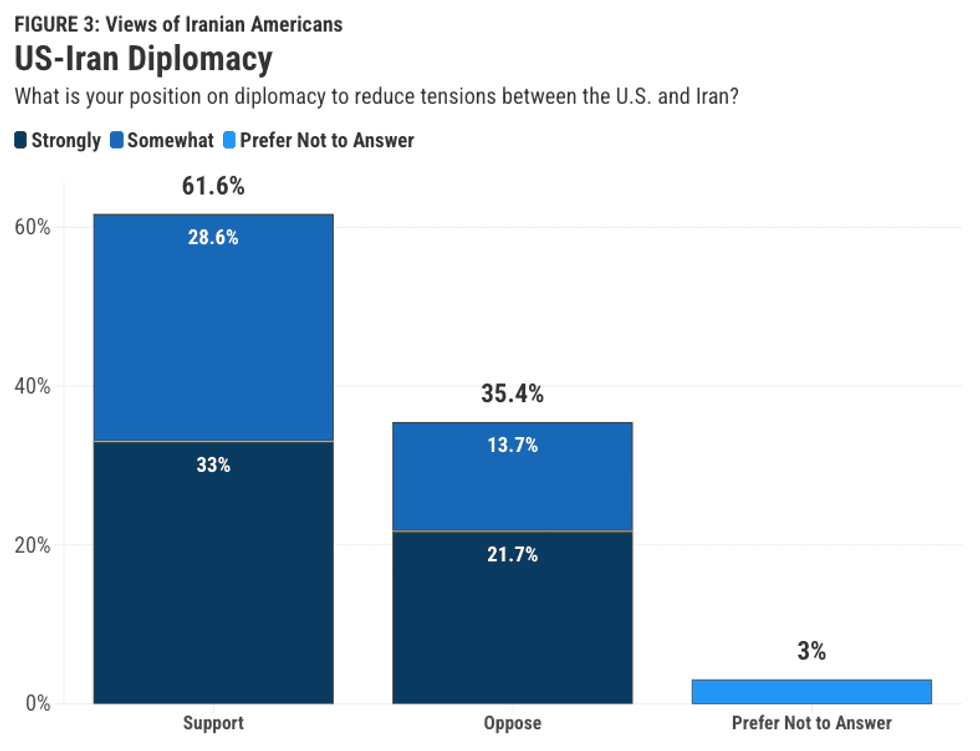 Screengrab via niacouncil.org
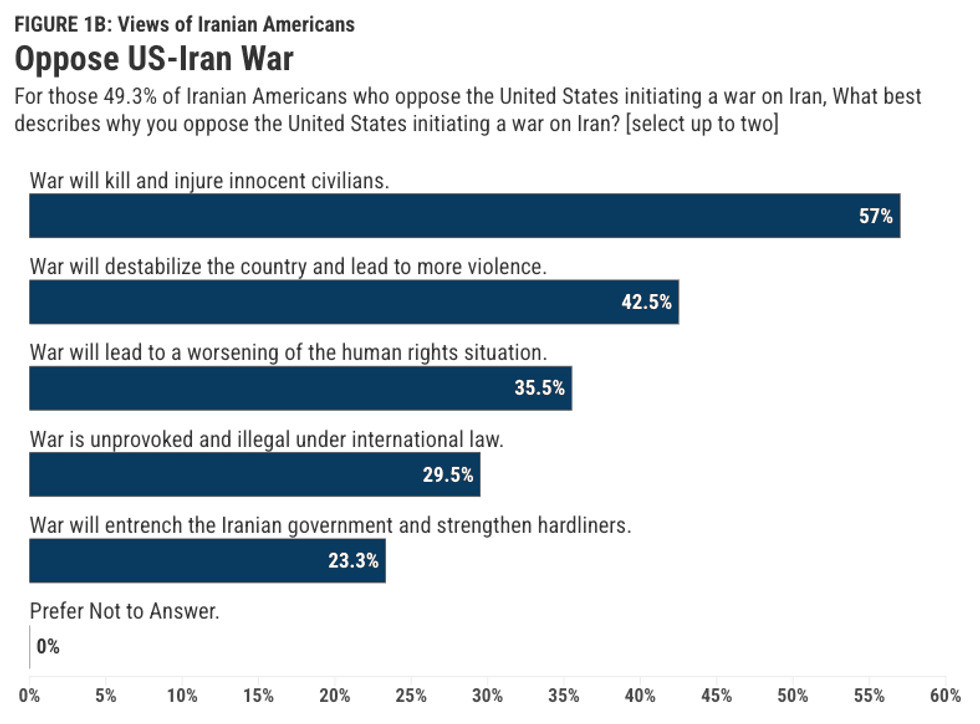 Screengrab via niacouncil.org