A Lockheed Martin director hailed space as the “fabric” of future warfighting at the Special Competitive Studies Project’s AI+ Space Summit today. Of course Lockheed is ready to be the weavers of that fabric, and for a high cost, no doubt, to American taxpayers.
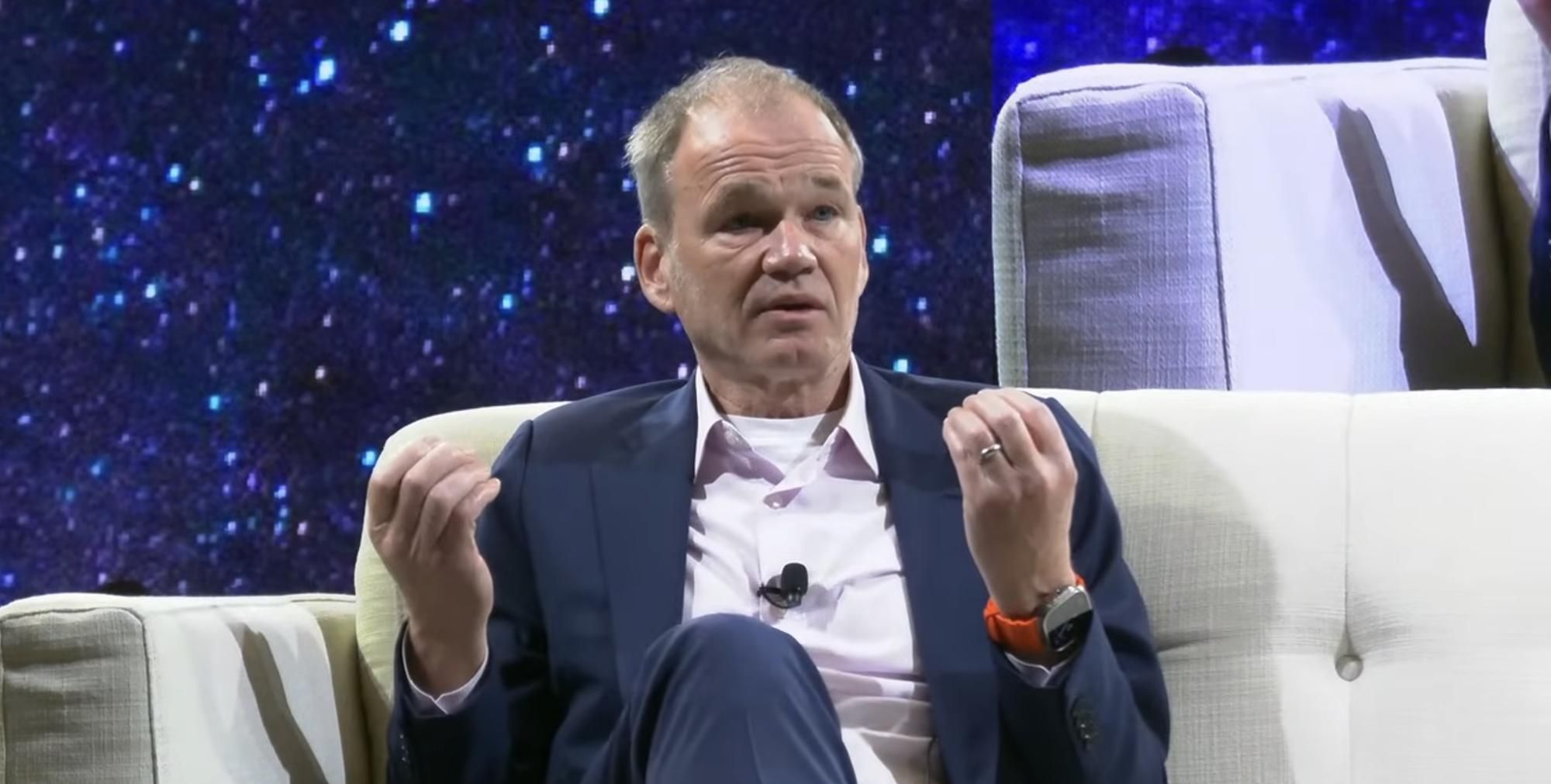
“Space, I think, will be the fabric through which every element of the battle space will run,” Eric Smith, Lockheed Martin’s Space Ignite Director and AI lead, during a discussion titled “Delivering Space Technologies to the Warfighters.”
Deeming space a military “high ground,” Smith described the domain as means to gather intelligence, and even take “action,” within military contexts.
“The government ought to be thinking about space as the ultimate high ground, but with all of the traditional advantages of a military high ground,” he said. “Space should be thought of as a layer, wherein vast amounts of data are collected, and actionable intelligence and…. — where it's appropriate — directly, action is generated.”
Smith said the defense prime recently delivered a tranche of satellites, which have since been launched into space, to serve as part of the U.S. Space Force Space Development Agency’s Proliferated Warfighting Space Architecture (PWSA) — an extensive satellite network being built that aims to provide myriad warfighting capacities, including collecting and transmitting relevant data and wartime communications, but also military targeting support, for U.S. forces across the warfighting domains.
Maybe it is more apt to call space in this context what it is, another frontier for an old fashioned industry gold rush. If the sessions at AI+ Space Summit are any indication, where industry representatives have presented their space-centric gadgets — including satellites, autonomous agents, and even robotic platforms — as paramount for U.S. competitiveness in that domain, the military industrial complex is headed for the stars.