

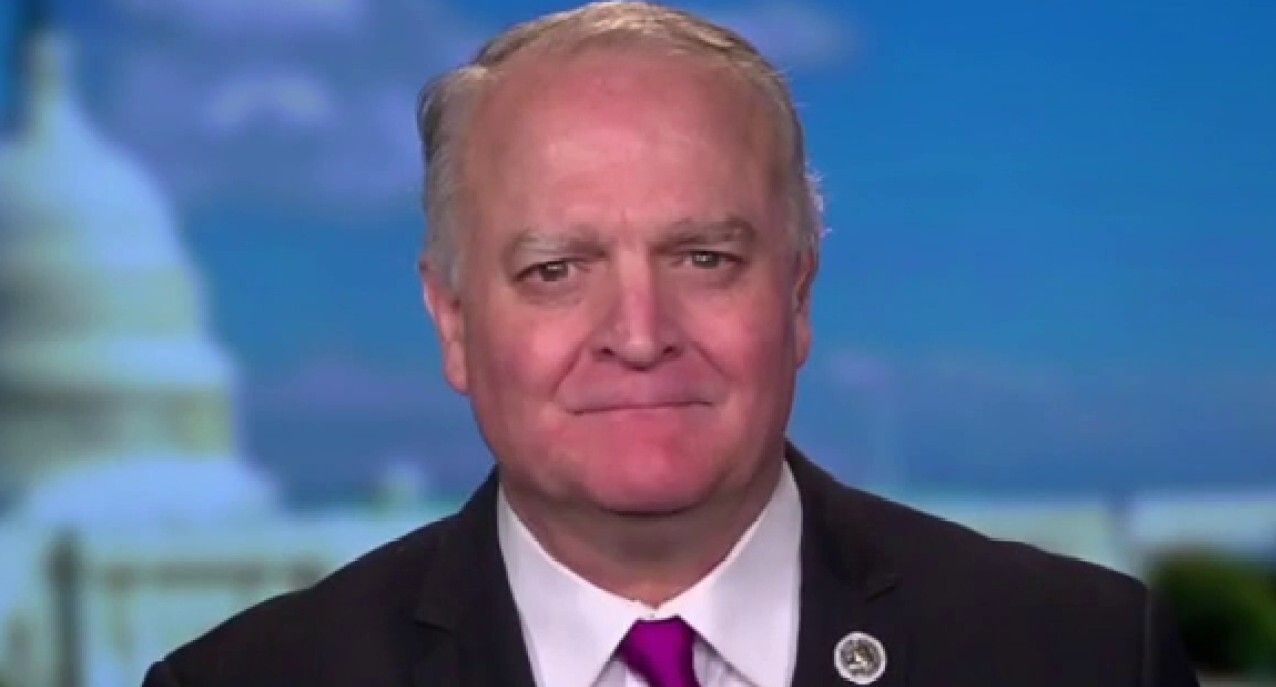
Earlier today the Jewish Insider magazine ran a story saying that the White House tapped retired Lt. Col. Danny Davis for Deputy Director of National Intelligence, working under the newly confirmed DNI Tulsi Gabbard. It was a hit piece by a pro-Israel platform that primarily focused on Davis's critical views — published only in articles and on his popular podcast — on Gaza and Iran.
Within hours, he was informed there would be no job, Responsible Statecraft has confirmed. "Investigative journalist" Laura Loomer celebrated. We are sure neoconservative radio jock Mark Levin, who helped spread the Insider story to his 4.9 million followers on Wednesday, celebrated. We should not. President Trump should not.
Danny is a friend whose astute, informed military analysis has graced these pages over the last four years. I've had the pleasure of interviewing him countless times since 2009 when on active duty he sent a report to Congress and published an article excoriating the Afghanistan War generals— including the much vaunted Stanley McChrystal — for essentially lying to the American people.
In 2009 he had just returned from an inspection tour of the country and was pretty much shocked when what he saw there didn't line up with what the military was telling Congress and the media here. "I did not need to witness dramatic improvements to be reassured, but merely hoped to see evidence of positive trends, to see companies or battalions produce even minimal but sustainable progress."
"Instead, I witnessed the absence of success on virtually every level."
From his explosive Armed Forces Journal article, which is well worth reading today:
When it comes to deciding what matters are worth plunging our nation into war and which are not, our senior leaders owe it to the nation and to the uniformed members to be candid — graphically, if necessary — in telling them what’s at stake and how expensive potential success is likely to be. U.S. citizens and their elected representatives can decide if the risk to blood and treasure is worth it.
That is the very essence of civilian control of the military. The American people deserve better than what they’ve gotten from their senior uniformed leaders over the last number of years. Simply telling the truth would be a good start.
Today, more than 20 years later, everything he said about the war has been born out. The truth was out there and our military and civilian leadership tried to keep it from us — until they couldn't.
It may be obvious but that is exactly what Secretary of Defense Pete Hegseth and DNI Gabbard said they wanted to bring to the table — a refreshing, dramatic shift from the status quo, which had become sclerotic, secretive, and punishing of dissent. Gabbard herself is an Iraq War-era veteran who risked her career to tell uncomfortable truths about American foreign policy and war. Her very public statements about bad Washington policies and the special interests leading us unto unnecessary wars aligned well with Danny's important work over the last several years.
So it is not surprising that the most strident voices in the War Party, particularly pro-Israel hawks trying desperately to manage the remembered history of the 9/11 wars, had it in for him. He is an anathema to everything they have stood for over the last two decades: he is against the U.S. trying to impose its interests and values on the world via foreign regime change, he believes the military is overextended and needlessly placed in harm's way overseas, and he has criticized the military industrial complex for risking troop readiness and basic conventional warfighting capabilities by deferring to the war profiteers in the industry. He has also echoed George Washington's warning about entangling alliances in his own warnings about unconditional aid to Israel and Ukraine.
Just recently he told me that the entire current generation of generals and admirals need to be replaced so that the military can reform itself, which begins with promoting officers based on merit, not politics and risk aversion.
To me this is the kind of America First guy that the administration needed. He is a Christian conservative with a stern moral compass and had been hopeful for the new administration and its early foreign policy moves. He risked his reputation in 2009, losing out on a typical post-military career in some cushy sinecure mucking it up with other establishmentarians planning the next war, or worse, a board seat at Lockheed or Northrop Grumman. Instead, he has been toiling away at the truth. And this is how the system rewards him. Shame.