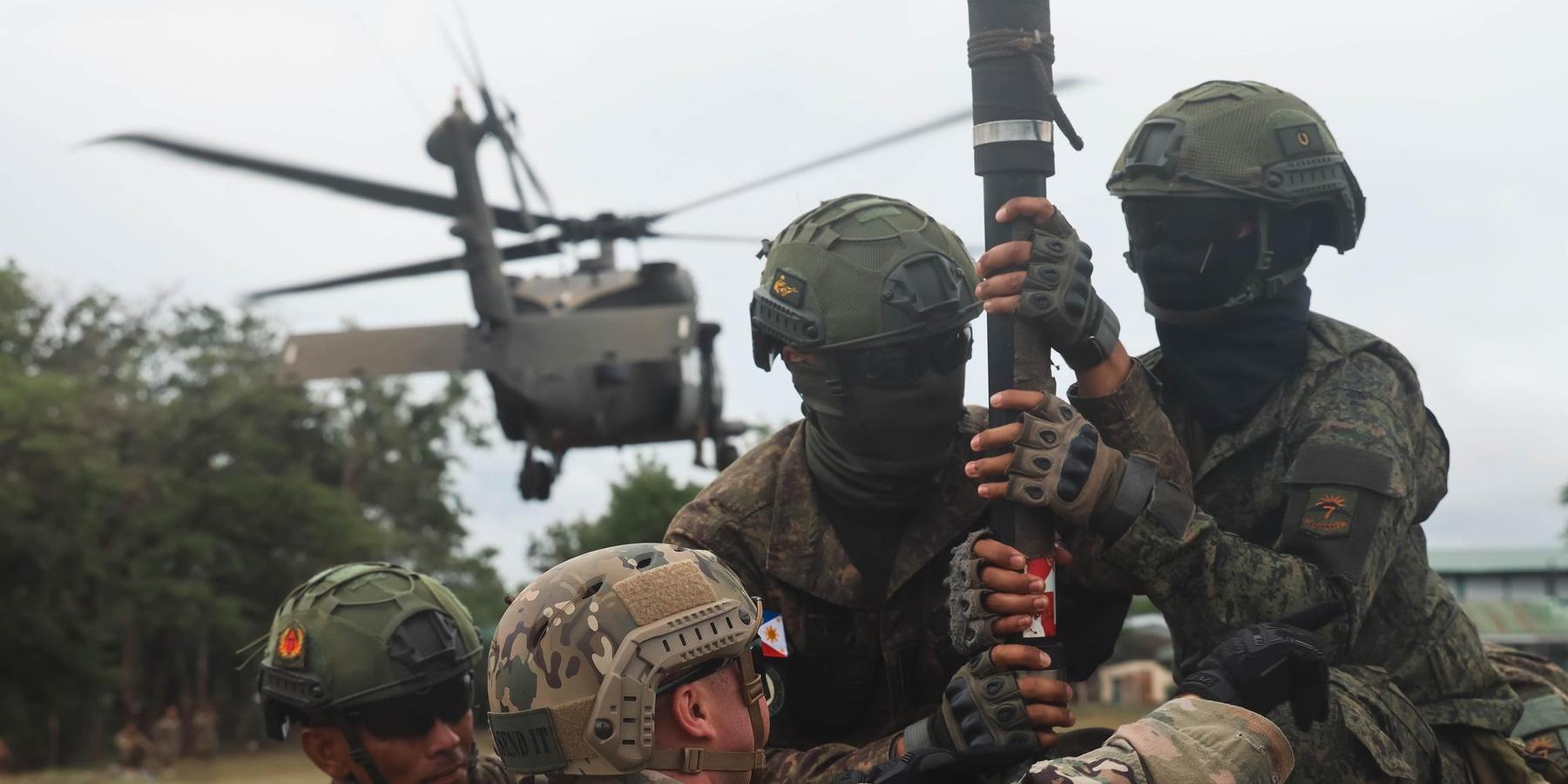
The U.S. Army has quietly sent a rotational force to the Philippines — a move experts tell RS signals greater U.S. military involvement in the region, amid growing tensions over the island of Taiwan.
“From the Chinese perspective…the United States is sending Army forces now to a country that's in very close proximity, to an area of obvious concern,” Dan Grazier, director of the National Security Reform Program at the Stimson Center, told RS. “We're used to seeing Naval forces, and Marine forces and [the] Air Force in that part of the world. But now we're sending the United States Army to the Philippines…really close to Taiwan, which obviously [is of] interest for the Chinese."
Led by a Lieutenant Colonel, the new rotational force is “not a major commitment” in terms of personnel, Grazier said. But, he said, “sending the Army… does show an increased level of commitment” to the region overall.
As Sarang Shidore, director of the Global South Program at the Quincy Institute tells RS, the Army Rotational Force-Philipines is “a step up as a part of a broader trendline since 2023 of an expanding U.S. military footprint in the Philippines.”
“Washington expanded U.S. military sites five to nine in April that year, and new, longer-range weapons systems have since been deployed to the country,” Shidore said.
As Shidore told RS, these ongoing U.S. military expansions into the region, which have included military exercises and missile deployments there, could pull the U.S. further into ongoing tensions there — perhaps especially over Taiwan, but also over those existing between China and the Philippines.
“Most of the U.S. expansion [as of late] seems directed toward the Taiwan contingency rather than the South China Sea flashpoint, pulling the U.S.-Philippine alliance deeper into the East Asian theater, which also includes Japan,” Shidore said. “The enhanced U.S. presence also increases the chances of the U.S. ending up as a frontline actor (rather than playing a supporting role from the rear) in China-Philippines maritime tensions, which have been on a boil for more than two years.”
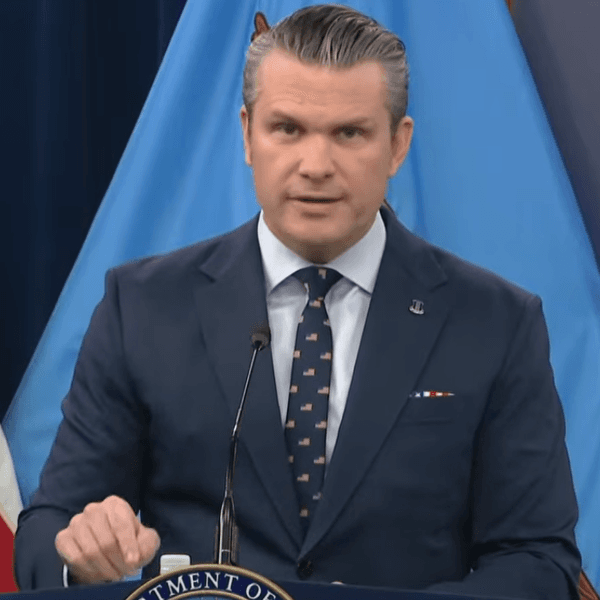
The new rotational force follows other, albeit more limited or more temporary, Army appearances in the Philippines. DoD Secretary Pete Hegseth previously announced the formation of a joint task force — U.S. Task Force: Philippines — in October last year: that force consists of about 60 personnel from the Navy, Marines, and Army, but does not have any equipment or military warships, vehicles or aircraft assigned to it.
Army soldiers were also sent to the Philippines for temporary military exercises over the summer.
- Could a US-China War Begin over the Philippines? ›
- US stirring up more trouble in China-Philippines naval clash ›