As an uneasy ceasefire holds between Israel and Iran, the side effects of their destructive “12 day war” might just prove beneficial to Russia’s bottom line in Ukraine.
Mark Episkopos, a research fellow in the Quincy Institute's Eurasia Program, told RS that Russia “will certainly benefit” from the Israel-Iran conflict’s throttling of oil prices. Episkopos emphasized that “the precise windfall is difficult to measure,” and analyst Alexander Motyl asserted that such a price spike’s benefit to Moscow “appears temporary.”
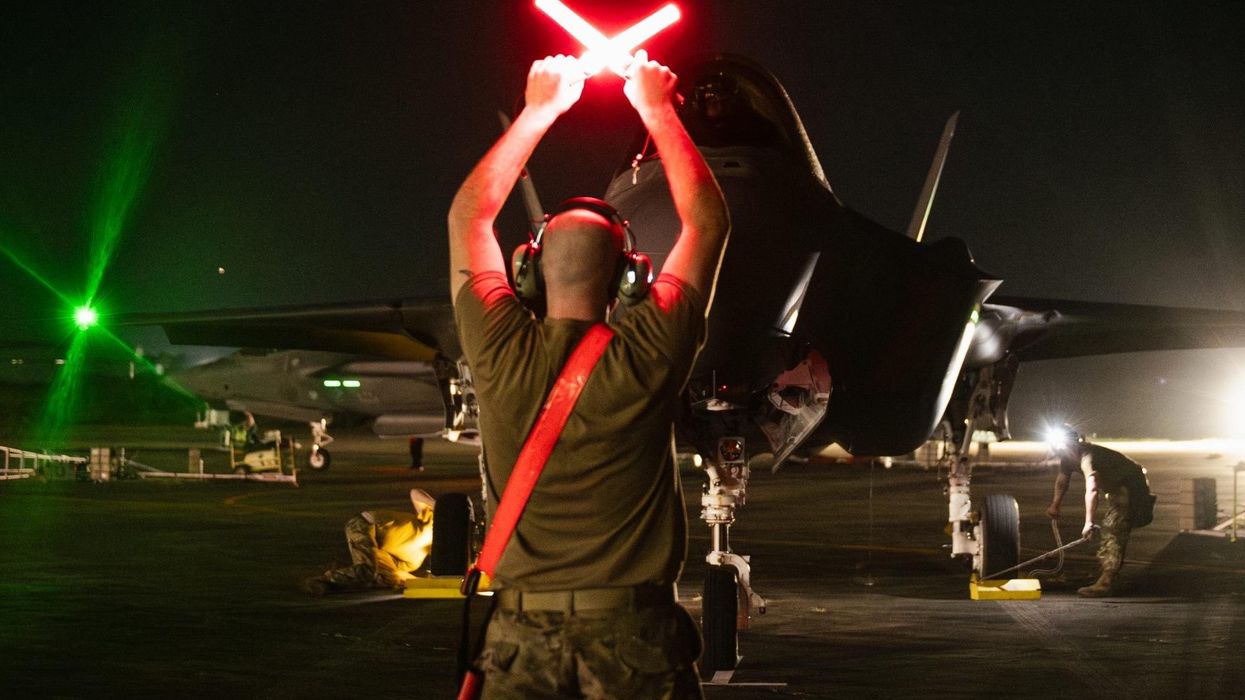
Meanwhile, Israel’s war on Iran may have diverted Western attention — and military aid — once bound for Ukraine to Israel instead, resulting in what Episkopos calls a “positive spillover effect” for Russia’s war effort. Indeed, analyst Nikita Smagin told Al Jazeera that Russian leadership “counts on this scenario.”
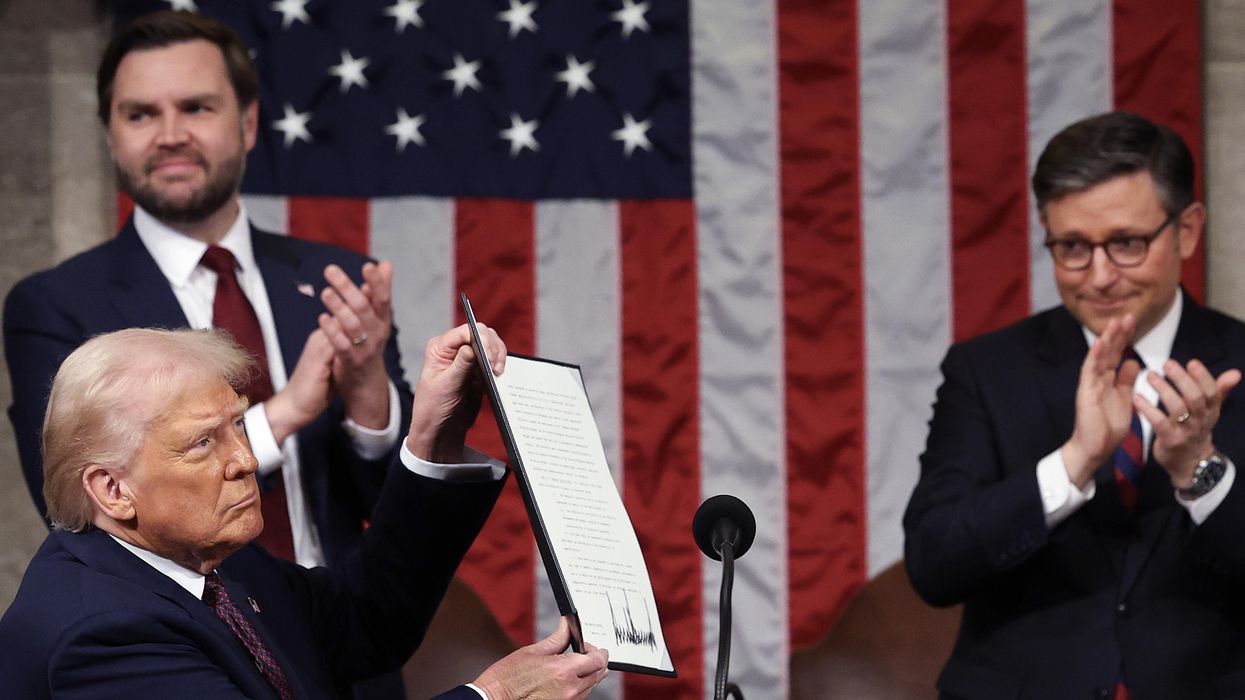
Trump’s comments on possibly providing Patriot air-defense missiles for Ukraine following the recent NATO summit, where Trump explained the U.S. is also supplying such missiles to Israel, suggest as much. The Biden administration previously promised Patriot missiles in a past agreement with Ukraine.
Ukraine wants “to have the ‘anti-missile’ missiles…the Patriots, and we're going to see if we can make some available,” Trump said at a press conference following the NATO Summit. “You know, they're very hard to get. We need them too. We were supplying them to Israel.”
Meanwhile, NATO summit’s heavy focus on Israel’s war on Iran showcased how the Ukraine war, a hot topic at previous summits, has slid onto the backburner.
And former British diplomat Ian Proud suggested the NATO summit’s other major focus area, ramping NATO countries’ defense spending up to to 5% of GDP, essentially translated into Trump “dumping” his Ukraine-war related responsibilities onto a remilitarizing Europe.
“With the fanfare of the NATO Summit starting to subside, the big question now is how much patience President Trump will have to push a peace agenda in Ukraine now that European allies have stepped up to spend more and buy American kit? My worry is, not much,” Proud surmised in RS.
Proud noted that a third round of direct talks between Russia and Ukraine might take place as early as next week. But even if Russia and Ukraine speak directly soon, Trump’s lack of patience may well spell doom for a diplomatic solution, given his administration’s centrality to the talks’ success.
“The bigger issue is that the Ukrainian and Russian positions remain far apart, partly because both Kyiv and Moscow think that time is on their side. These can only be bridged by the United States, but the Trump administration does not have the patience, bandwidth and expertise to see such a complex process through,” Zach Paikin, deputy director of the Quincy Institute’s Better Order Project and research fellow in its Grand Strategy program, told RS. “But ultimately, this doesn't change the fact that the negotiations were in trouble long before the Israel-Iran war broke out.”
Paikin also said that the U.S. involvement in Israel’s conflict with Iran, where the U.S. struck Iran’s nuclear facilities, “has increased doubts in the Kremlin over whether Donald Trump is a trustworthy interlocutor and whether the United States is capable of getting its allies on board for diplomatic settlements.”
But growing pessimism about the U.S. role in Ukraine war diplomacy, doesn’t necessarily mean that Russia is banking on reaping possible benefits of Israel’s conflict with Iran. Rather, Episkopos said that Russia might benefit by participating in diplomatic efforts related to the so-called 12 day war — if the U.S. is also on board.
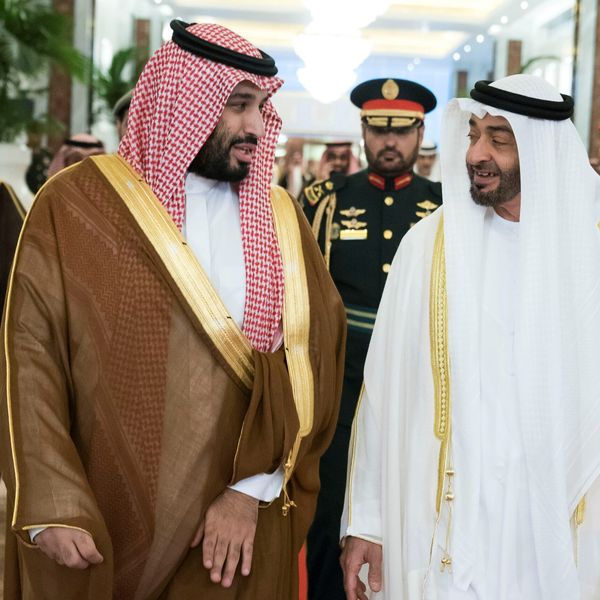
“The Kremlin has also never closed the door to acting as a mediator or at least an intermediary between Iran, Israel, and the US, partly as a way of easing tensions with Washington and partly to support its complex regional balancing act between Iran, Israel, and the Arab states,” Episkopos said. “The extent to which the U.S. would welcome this kind of Russian role likely depends on the broader strategy the White House will pursue in possible negotiations with Iran.”
In other Ukraine war news this week
A Russian missile attack on Ukraine’s Dnipropetrovsk region Tuesday killed at least 19 and wounded another 280 people, according to Al Jazeera.
A Ukrainian drone hit an apartment building outside Moscow, which started a fire and injured two people, TASS news agency and Sky News reported.
Ukrainian Army head General Oleksandr Syrskyi claimed Thursday that Ukrainian troops have halted a Russian advance into Ukraine’s Sumy region, according to the BBC. AP reports that Syrskyi’s assertions cannot be independently verified.
From State Department Press Briefing June 24
“While in Minsk, the U.S. delegation, led by General Keith Kellogg, special presidential envoy for Ukraine, met with the leader of Belarus and his team,” State Department Spokesperson Tammy Bruce said of recent U.S.-Belarus talks regarding the war in Ukraine during the State Department Press Briefing on June 24.
“Special Envoy Kellogg discussed the Russia-Ukraine war and how President Trump is pushing hard to stop [the Ukraine] war and end the killing, and Deputy Special Envoy John Cole led the discussions on U.S.-Belarus bilateral relations, which resulted in the release of 14 long-held political prisoners from Estonia, Japan, Latvia, Poland, Sweden, and Belarus. And that is the result of what you can do with diplomacy, with envoys, and with a commitment to peace and freedom for people around the world.”
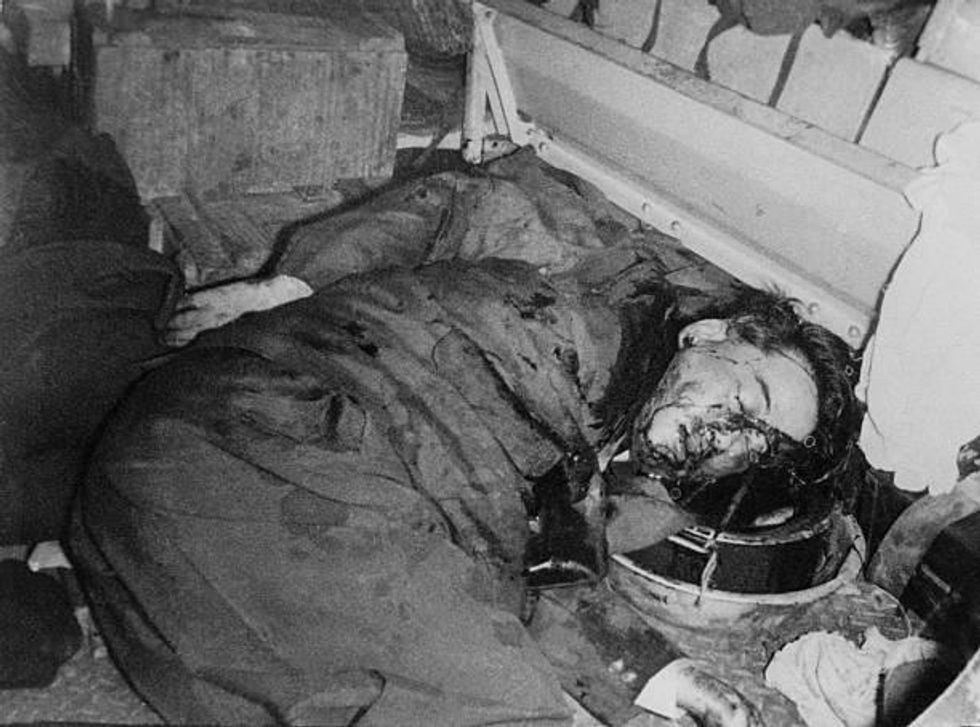 Top photo credit: Ngô Đình Diệm after being shot and killed in the 1963 coup (US National Archives)