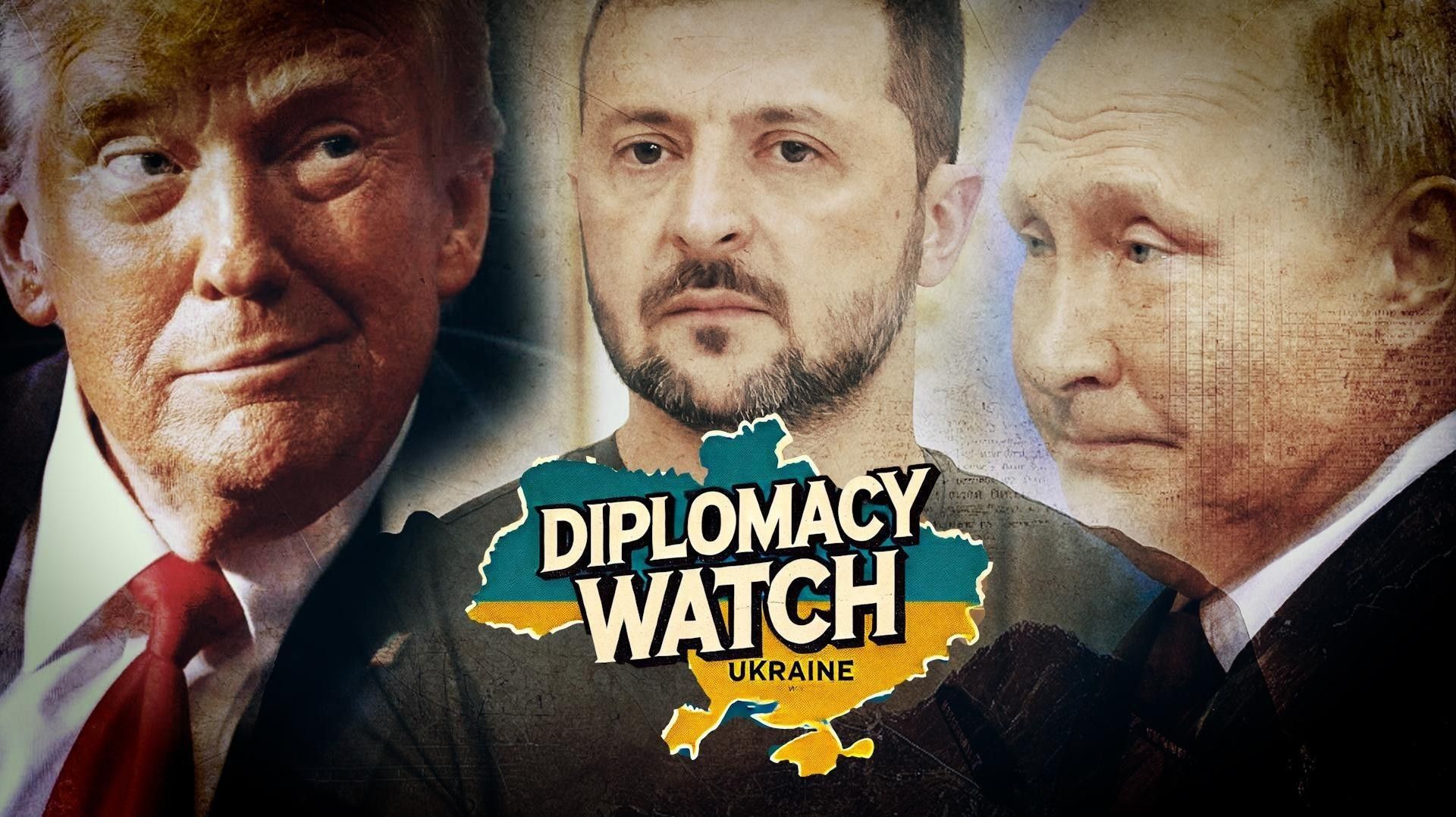
President Donald Trump announced new sanctions on Russia’s leading oil producers in a move aimed at turning the screws on Moscow — and countries that continue to buy Russian oil, like India and Turkey.
The decision surprised many Ukraine war observers, who have struggled to discern the logic behind Trump’s approach to the conflict in recent weeks. Just days before the sanctions announcement, Trump had held a seemingly cordial phone call with Russian President Vladimir Putin, after which the U.S. leader had started to lean hard on Ukraine to make concessions. Trump had even suggested an imminent, in-person meeting in Budapest, where he and Putin were expected to make progress toward a peace deal.
But now Trump appears to have grown frustrated with the Russian leader. “Every time I speak to Vladimir, I have good conversations and then they don't go anywhere,” he lamented, adding that he cancelled the in-person meeting with Putin because “it just didn’t feel right to me.” (Secretary of State Marco Rubio later clarified that the U.S. would “still like to meet with the Russians.”)
Ukrainian President Volodymyr Zelensky welcomed Trump’s shift, saying that “we have to pressure Putin to stop this war.” The Kremlin, for its part, played down the potential impact of the sanctions, with a foreign ministry spokesperson saying Russia has developed “a strong immunity to Western restrictions.”
It is difficult to estimate the exact impact that the sanctions will have on Russia’s economy. The Kremlin collects roughly a quarter of its budget from oil and gas revenue, but most of that cash comes from taxes on output rather than exports, meaning that the Russian government can still fill its coffers even if foreign sales of oil flag.
Still, the sanctions have already started to damage Russian oil companies’ relationships with foreign partners. As Reuters reported Thursday, Indian refineries are largely planning to cancel their purchases of Russian oil in order to avoid drawing scrutiny from the U.S. (India imported 88 million metric tons of Russian crude in 2024, a sharp jump from 2021, when it only imported 0.42 million metric tons.)
Chinese refineries may be able to pick up some of the slack, in part due to recent European and British sanctions that will prevent some Chinese oil companies from buying Middle Eastern and Canadian oil. Regardless, the sanctions will inject significant uncertainty into the future earnings of Russian oil giants Rosneft and Lukoil, two of Russia’s three largest companies.
Looming over this discussion is the question of whether Trump will be steadfast in this new, more hawkish posture toward Russia. If recent history is any guide, then the smartest bet would be to expect further shifts from the White House in the coming weeks.
In other news related to the war in Ukraine:
—In a joint statement, Zelensky and many European leaders called for an immediate ceasefire followed by talks, with the current frontlines as the “starting point for negotiations.” (The letter goes on to affirm that “international borders must not be changed by force,” raising questions about whether Ukraine would be willing to make any concessions at the negotiating table.) As Politico noted, the statement appeared to be a response to reports over the weekend saying Trump was pushing Zelensky to accept a peace deal with Russia that would involve some swaps of land currently controlled by each side.
—After a White House meeting, NATO Secretary General Mark Rutte lauded Trump for “his enormous success in Gaza,” adding that, under Trump, NATO “has been renewed, reinvigorated.” Rutte later told CNN that he endorsed the president’s decision to withhold long-range Tomahawk missiles from Ukraine despite increasing pressure from Zelensky. “It takes months for anyone other than American soldiers to be trained on them,” the NATO leader said. “So it is not that if you decide today, Ukrainians can use them tomorrow.”
—The U.S. quietly allowed Ukraine to start using American targeting data to hit targets in Russia using European medium-range missiles, the Wall Street Journal reported. The move has already helped Ukrainian forces hit targets within Russia, including one attack on a Russian military plant on Tuesday. Zelensky has argued that such strikes are key to forcing Putin to negotiate.
U.S. State Department news:
The State Department did not hold a press briefing this week.
- Diplomacy Watch: US govt. throws cold water on impact of sanctions ›
- Russia sanctions & new weapons, is Trump stuck in Groundhog Day? ›