

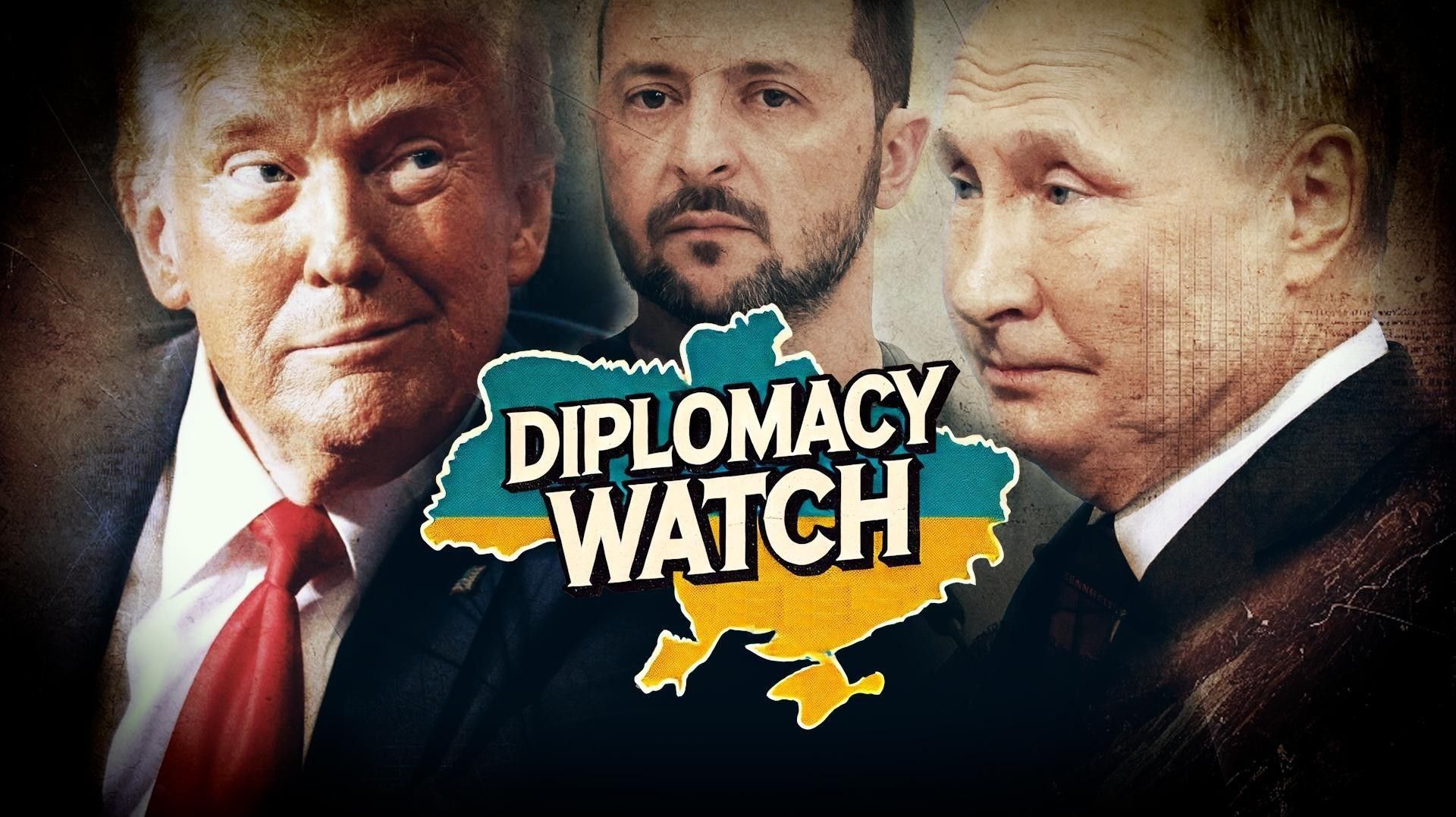
As peace talks between Ukraine and Russia stall, Western leaders are hoping that a fresh round of sanctions will push Moscow to reach a compromise with Kyiv. “We have to increase our pressure [on] Russia to come to peace negotiations,” said European Council President Antonio Costa, adding that Europe is coordinating with the United States to make sanctions “more effective.”
Italian Foreign Minister Antonio Tajani said Thursday that the West must use “all the tools at our disposal to hinder the financing of [Russia’s] war machine.” Tajani lauded a proposed package of new European sanctions on Russian banks, which he said would have “a substantial impact on financial flows” in Russia.
But a new report from the Government Accountability Office casts doubt on the effectiveness of this approach. The government watchdog created a model to determine the impact of sanctions and found that Western economic restrictions did little if any damage to Russia’s economy in 2023 or 2024. In fact, Russia’s GDP has grown at a higher rate than expected for the last two years.
One reason for this resilience, according to GAO, was the quick response from Russia’s central bank, which raised interest rates and imposed capital controls as sanctions began to kick in. These measures, in addition to increased military spending and expanded trade with states that haven’t signed onto sanctions, have so far allowed Russia’s economy to thrive despite the West’s best efforts.
Of course, this doesn’t mean that sanctions are inherently ineffective as a tool for putting pressure on Russia. The problem is that any serious effort to turn the screws on Moscow would also create major economic problems for European states themselves.
Take the case of Russian oil exports. Europe has significantly reduced its direct imports of Russian oil, but it has made up for much of this supply by importing oil from India — a state that buys most of its crude from Russia before refining it for export. In other words, Brussels continues to support Moscow’s economy, but with an Indian middleman to obscure the connection.
Europe plans to put an end to this practice in January, but it remains unclear how it will find enough oil to satisfy demand on the continent and prevent a spike in energy prices. In the meantime, Indian diesel exports to the European Union are jumping as European buyers seek to stockpile supplies before an import ban kicks in.
A similar challenge looms over efforts to limit Russian oil exports as a whole. On Sunday, Treasury Secretary Scott Bessent urged European states to levy tariffs on China and India for buying Russian oil, a move that Bessent hopes could bring about the “total collapse” of the Russian economy. But European leaders have refused to countenance such a move, which would risk sparking retaliation from crucial EU trading partners.
All of this evidence appears to have convinced Russia that time is on its side. With the current level of sanctions in place, experts say Russia’s economy could likely go another two years without facing a serious crisis. But, according to Ukrainian President Volodymyr Zelensky, Putin has told American leaders that he only needs three to four months to capture Ukraine’s Donbas region in its entirety — a battlefield shift that would put Kyiv in a far worse negotiating position. However one looks at the problem, the timeline doesn’t look good for Ukraine.
In other news related to the Ukraine war:
Poland shot down several Russian drones that entered Polish airspace, marking the first direct clash between Russia and a NATO country since the 2022 invasion of Ukraine. “This situation brings us the closest we have been to open conflict since World War Two,” said Polish President Donald Tusk. NATO held emergency consultations in order to coordinate a response to the Russian incursion, which will also be addressed at an upcoming United Nations Security Council meeting, according to Reuters. Many European leaders believe that the drone incursions were a deliberate attempt to test NATO’s resolve. Moscow denies that the drones were of Russian origin, though a spokesperson for Russia’s Ministry of Defense said the Kremlin was carrying out attacks in western Ukraine around the time of the incursions.
Zelensky slammed President Trump’s decision to meet with Putin in an interview with NBC News. “It's a pity that Ukraine was not there, because I think that President Trump gave Putin what he wanted,” the Ukrainian leader said. “Putin doesn't want to meet with me, but he wants very much to meet with the president of the United States, to show everybody video and images that he is there.” Zelensky also urged European states to stop buying oil and gas from Russia. “We have to stop buying any kind of energy from Russia,” he said. “Energy is [Putin’s] weapon.”
State Department news:
The State Department did not hold a press briefing this week.
- Russia sanctions & new weapons, is Trump stuck in Groundhog Day? ›
- Imposing 500% tariffs on nations that trade with Russia will backfire ›
- Diplomacy Watch: Trump turns the screws on Moscow | Responsible Statecraft ›