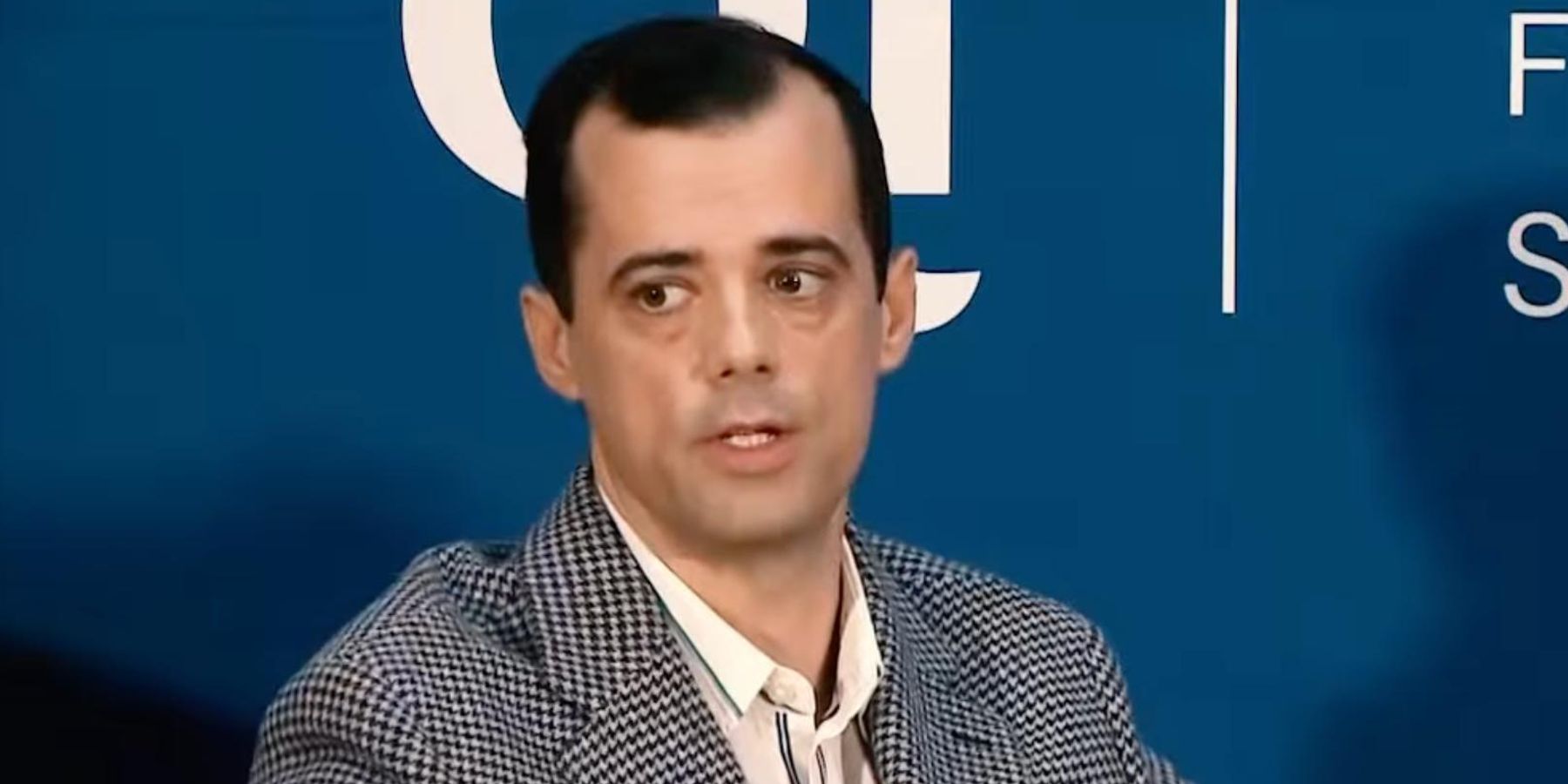
The House Oversight Committee voted to drag investigative journalist Seth Harp before Congress after he revealed the identity of a commander of Delta Force, the U.S. military special operations group that led the mission to abduct Venezuela’s president on Saturday.
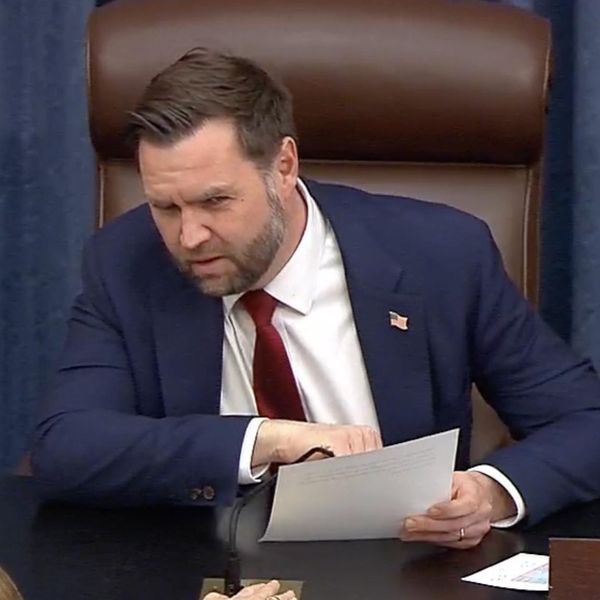
“He should be held accountable for potentially leaking classified information and doxxing service members, potentially putting their lives and their family members at jeopardy by narco terrorists,” argued Rep. Anna Paulina Luna (R-Fla.), who sponsored the motion to subpoena Harp.
During a Wednesday mark-up, Rep. Robert Garcia (D-Calif.) amended Luna’s motion in order to include subpoenas for the executors of Jeffrey Epstein’s estate, bolstering support for the move among Democrats. The final measure passed the Oversight Committee with near unanimous approval in a voice vote.
Harp, who recently wrote a best-selling book about illegal activities carried out by Delta Force, vigorously contested the claim that he “doxxed” the commander, noting on X that his post, which contained a screenshot of a publicly available page about the officer, did not include “any personally identifying information about him.”
X forced Harp to remove the post in order to prevent the suspension of his account on the platform. When RS attempted to search the commander’s name on X, no results appeared, suggesting that the site is removing all posts that reveal his identity.
“It's pointless to try to educate these people on the law, but a civilian can't ‘leak classified intel,’” Harp wrote on X. “Those restrictions only apply to government employees.”
Press freedom groups were quick to condemn the decision to subpoena Harp, characterizing the move as an attack on the media as a whole. “Reporters have a constitutional right to publish even classified leaks as long as they don’t commit crimes to obtain them,” said Seth Stern of the Freedom of the Press Foundation. “Harp merely published information that was publicly available about someone at the center of the world’s biggest news story.”
Chip Gibbons, the policy director at Defending Rights & Dissent, said the subpoena is “clearly designed to chill and intimidate a journalist doing some of the most significant investigative reporting on U.S. Special Forces.”
Luna’s “own statement makes clear that far from having a valid legislative purpose, she seeks to hold a journalist ‘accountable’ for what is essentially reporting she dislikes,” Gibbon argued. “Harp did not share classified information about the U.S. regime change operation in Venezuela. And even if he had, his actions would firmly be protected by the First Amendment.”
Harp’s decision to publish the name of the Delta Force commander drew sharp backlash from many right-wing pundits, who argued that the post put the commander at risk. Harp, in response, made the case that the public has a right to know who is involved in major military operations abroad.
In 2024, the House voted unanimously to pass a bill that would have prevented Congress from issuing subpoenas to journalists for their reporting, but the Senate declined to vote on the bill after President Donald Trump lambasted it in a post on Truth Social.
The Quincy Institute, which publishes RS, hosted Harp in October of last year for a discussion of his book, The Fort Bragg Cartel.