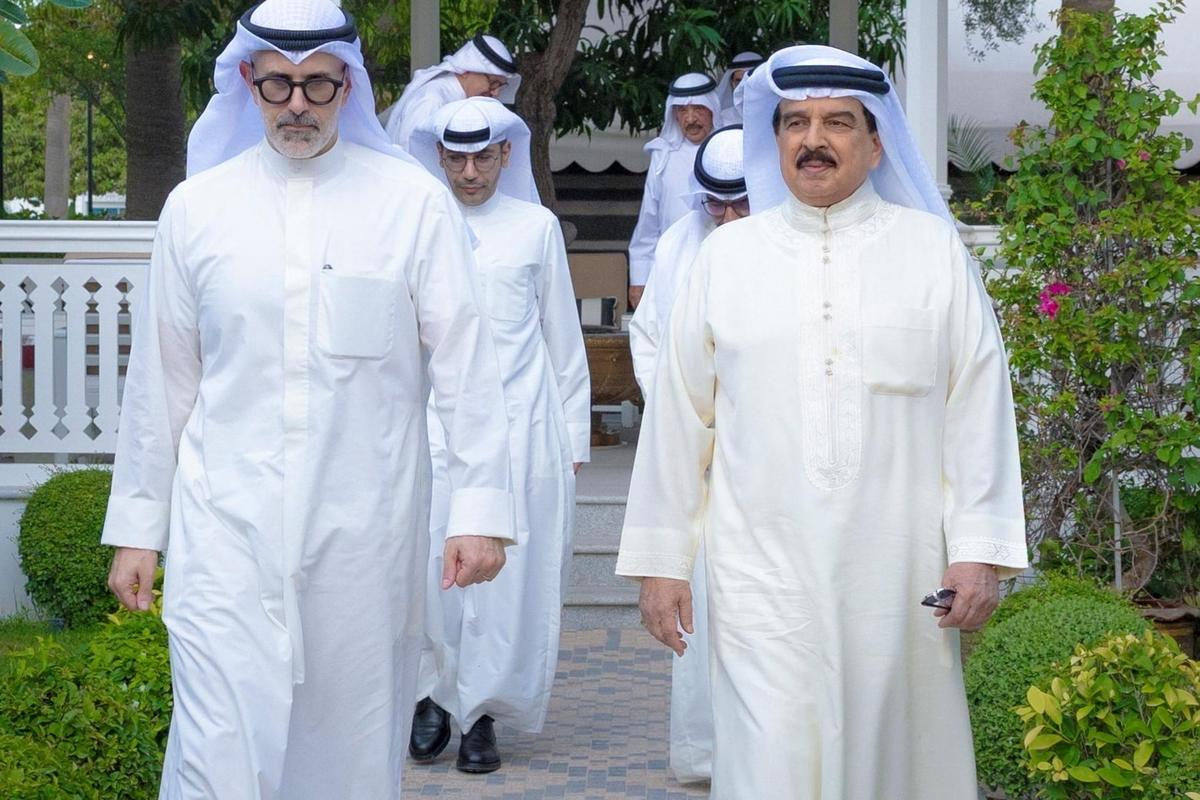
The domestic and regional implications of Bahrain normalizing relations with Israel
The move may have support in Washington and Riyadh, but has Manama fully considered how it will be seen at home?
It appears that the Trump administration is laying the groundwork for an imminent military confrontation with Iran, seemingly to boost President Trump’s re-election prospects.
These deals will fall apart should the UAE and Bahrain one day become democracies.
The emerging power blocs in the region are more than sufficient to counter-balance each other without US interference
The main result of the “maximum pressure” policy to date, aside from the increasing immiseration of the Iranian people, has been the unprecedented degree to which Washington has been isolated from the rest of the world.
Despite bipartisan efforts in Congress to withdraw US support for the Saudi-led coalition, the Trump administration continues to add fuel to Yemen’s fire.
Foreseeing a battle to re-engage Iran in a potential Biden administration, more than a dozen progressive groups sent a letter to Capitol Hill calling on House Democrats to dig in.
The so-called ‘Abraham Accord’ is starting to look more like a campaign-related arms deal than a peace agreement.
The treaty changes nothing in the Middle East political equation, nor does it attenuate in any way the tragic disregard for the rights of the Palestinians which we have witnessed for so many years now.
Egypt has been fighting terrorism and an insurgency in the Sinai Peninsula for the past decade and a half with no sign of a decisive victory.
A recent Washington Post column claimed I ‘forcefully argued against increasing pressure on Assad,’ which is a complete misreading of what I wrote.
A loophole in the proposed fund, which the House passed in July, would allow Israeli settlers to reap most of the benefits.
With the Trump administration escalating tensions once again with its snapback scheme, it’s worth trying to figure out just what Tehran wants.
Tony Blinken, a likely candidate for the post of national security adviser, has said that the U.S. would return to the JCPOA only after Iran fulfills its commitments under the nuclear agreement.
The use of the memory of Hiroshima as a political weapon against the US, a country that Iran says has undermined its sovereignty since World War II, is a recurring theme in Iranian media.
The media narrative largely ignores the strategic rationale for bringing the troops home.
Pompeo told Sudanese leaders that the United States would consider removing them from the list of state sponsors of terrorism — if Sudan pays us $330 million.
Perhaps the best that can be hoped for now is a massive effort by the international community to help Lebanon overcome its humanitarian crisis.
When Arab citizens can no longer safely blame Israel, they are more likely to blame their own rulers for corrupt and failing systems.
We helped create the evil that swept thousands of women and children away. Why aren’t we helping to find them?
Those who have experienced the effects of war on their communities have useful insights for how to move toward more humane policies and embrace the role that diplomacy can play.