Follow us on social

google cta
Lockheed, N. Grumman profit off delayed, over-budget contracts

Lockheed, N. Grumman profit off delayed, over-budget contracts

General Dynamics also saw increased revenues despite (or because of) chronic production troubles

Reporting | QiOSK
google cta

A new report finds that U.S. arms contractors’ revenues are surging, even as their programs are late and over budget, undermining military planning and drawing funds and resources away from other government priorities.

Released today, the new fact sheet by the Stockholm International Peace Research Institute (SIPRI) finds that 39 U.S. weapons companies among the world’s 100 largest arms-producing companies, collectively saw their revenues go up by 3.8% to reach $334 billion in 2024, boosted by countries’ weapons modernization efforts, and wars in Ukraine and the Middle East. The largest U.S. companies, Lockheed Martin, RTX, Northrop Grumman, and General Dynamics, all saw increased arms revenues in 2024.

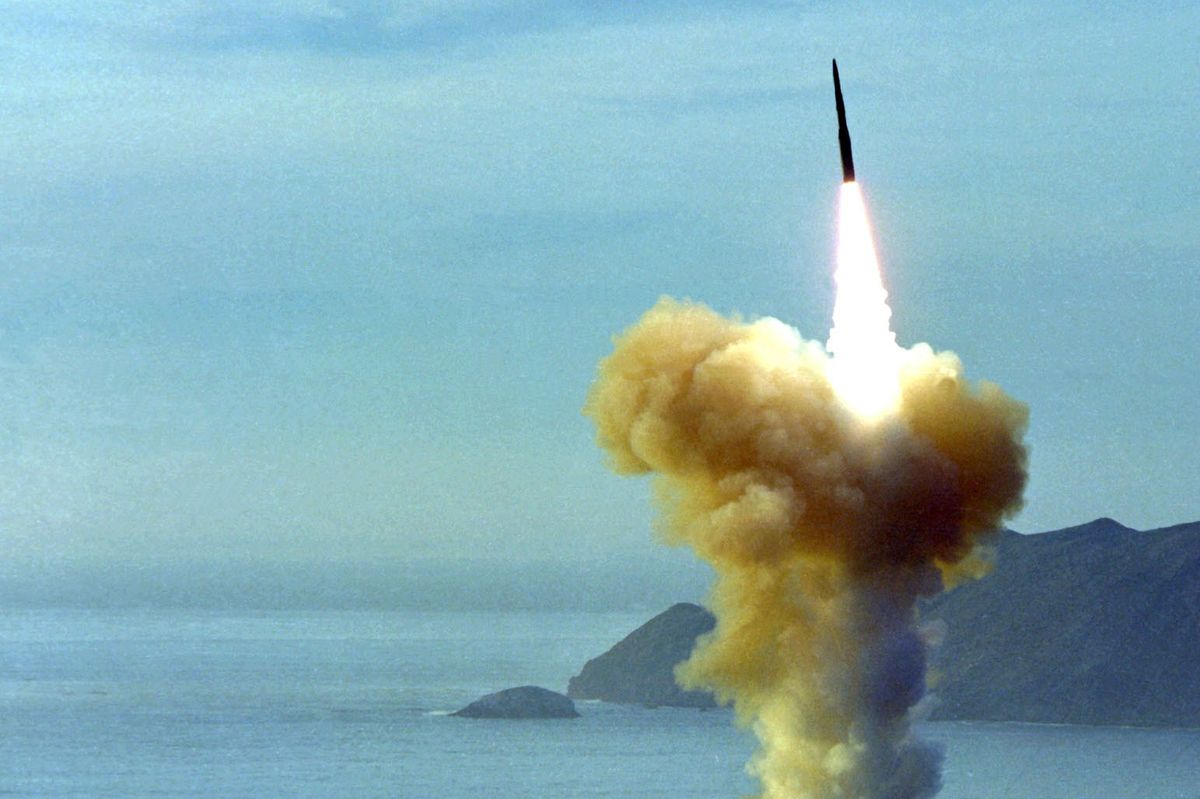
Meanwhile the cost increases and delays among key U.S. weapons programs, like the F-35 fighter jet, the Sentinel intercontinental ballistic missile (ICBM) nuclear weapons program, and Virginia- and Columbia-class submarines, appear to be out of control.

The Columbia-class submarine program, for example, is running about 16 months behind schedule and is $17 billion over budget — lining the pockets of manufacturer General Dynamics, whose revenues went up 8.1% in 2024.

The F-35 program delays boosted Lockheed Martin’s 3.2% arms revenue increase last year, where F-35s to be delivered in 2023 came later, especially because of hardware and software-related production setbacks. Northrop Grumman’s revenues jumped by 3.3%, to $37.9 billion in 2024, as production costs for its troubled Sentinel program skyrocketed to an estimated $141 billion — over 80% over original budget projections.

SIPRI researchers say these issues mar U.S. military planning, where these delays and cost overruns can divert government resources from other programs.

“The delays and rising costs [of these programs] will inevitably impact U.S. military planning and military spending,” said Xiao Liang, a researcher at SIPRI’s Military Expenditure and Arms Production Programme. “This could have knock-on effects on the U.S. government’s efforts to cut excessive military spending and improve budget efficiency.”

SIPRI also found that these delays and cost overruns may worsen in the future, as companies say restricted access to critical minerals, because of new Chinese export controls on some of them, may hamper their ability to make weapons systems on time.


www.nationalmuseum.af.mil
Sentinels of Freedom: Air Force Strategic Missiles > National ...
Reporting | QiOSK
Vietnam War Agent Orange
Top photo credit: Private Fred L. Greenleaf crosses a deep irrigation canal during an allied operation during the Vietnam War. (Photo: National Archives)

Agent Orange is the chemical weapon that keeps on killing

Global Crises

November 30 marks the International Day of Remembrance for all Victims of Chemical Warfare. Established by the United Nations in 2015, the day honors those who have suffered from chemical weapons and reaffirms our collective commitment to ensure these horrors never happen again.

Since the Chemical Weapons Convention (CWC) entered into force in 1997, 197 nations have ratified it.Israel signed but never ratified; Egypt, North Korea, and South Sudan have not signed. The Organization for the Prohibition of Chemical Weapons (OPCW) announced in July 2023 that all chemical weapons stockpiles reported by member nations, including those in the United States, have been destroyed. It is one of the greatest disarmament achievements in modern history.

keep reading Show less
A House of Dynamite
Top image credit: RELEASE DATE: October 24, 2025 TITLE: A House of Dynamite ZUMA Press Wire via Reuters Connect

You have 19 minutes to decide whether to kill tens of millions

Media

WARNING: This article contains spoilers.

What if you were the president of the United States and you had just minutes to decide how to respond to an impending nuclear attack?

keep reading Show less
Prime Minister Sanae Takaichi
Top photo credit: Prime Minister Sanae Takaichi 首相官邸 (Cabinet Public Affairs Office)

Takaichi 101: How to torpedo relations with China in a month

Asia-Pacific

On November 7, Prime Minister Sanae Takaichi stated that a Chinese attack on Taiwan could undoubtedly be “a situation that threatens Japan’s survival,” thereby implying that Tokyo could respond by dispatching Self-Defense Forces.

This statement triggered the worst crisis in Sino-Japanese relations in over a decade because it reflected a transformation in Japan’s security policy discourse, defense posture, and U.S.-Japan defense cooperation in recent years. Understanding this transformation requires dissecting the context as well as content of Takaichi’s parliamentary remarks.

keep reading Show less
google cta
Want more of our stories on Google?
Click here to make us a Preferred Source.

LATEST

QIOSK

Newsletter

Subscribe now to our weekly round-up and don't miss a beat with your favorite RS contributors and reporters, as well as staff analysis, opinion, and news promoting a positive, non-partisan vision of U.S. foreign policy.