Why a US policy of fomenting regime change in Iran is a bad idea
A couple of think tank hawks are bummed that regime change isn’t cool anymore.
The United States imposes sanctions on more countries than all other nations or international institutions combined.
A common thread in Trump’s foreign policy is that the stated objectives are not real objectives.
Subject to Donald Trump’s disinterest and erratic impulses, and confronted by ambitious adversaries, the United States is treading water in the Middle East.
Donald Trump, Mike Pompeo, and their allies have handed Iran grounds to argue that it needs to enrich uranium to higher levels than are allowed under the JCPOA.
The U.S. should fully withdraw its forces from Syria and use its remaining leverage to facilitate diplomacy between Syria’s neighbors that are heavily enmeshed in the civil war.
The conventional arms trade is indeed a destabilizing factor in the Middle East, but a multilateral approach that does more than pressure one regional actor would be needed to address that problem effectively.
A close look at the strategic landscape suggests that lifting or extending the arms embargo will have a limited security impact.
Since the killing of Qassem Soleimani, Iran has shifted to a custom-made strategy that mixes political and military tactics in Lebanon, Syria, and Iraq.
Iranian defense doctrine is not based on technology but rather manpower. And even if Iran procured hundreds of new tanks and dozens of advanced aircraft, it would still not be able to compete with the United States.
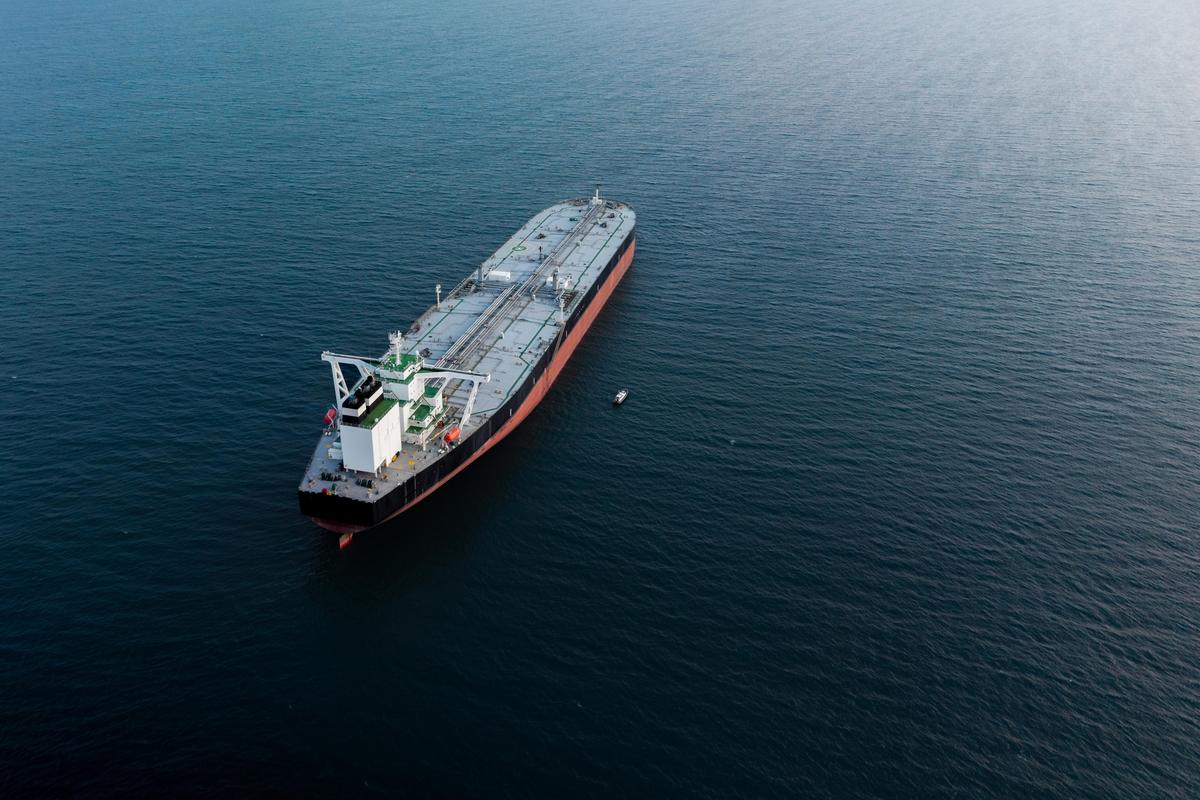
It would be senseless for the U.S. to try to stop the petroleum transfer. It would be condemned by nearly every other country in the world as an abuse of U.S. power, with both Iran and Venezuela benefitting from political sympathy.
Suspending all sanctions now will not only help combat the coronavirus, but it will also create the conditions to resolve our differences diplomatically.
While the Trump administration touts its maximum pressure campaign as a route to peace in the Middle East, Iran’s increased hostilities prove it wrong.
The Covid-19 outbreak might serve as a moment to pause and realize how valuable regional Persian Gulf dialogue about health resilience could be.
Without more international funding, the impact of the locusts across the Horn of Africa, Middle East, and South Asia — on top of the COVID-19 pandemic — is going to be catastrophic.
Congress should continually remind Trump that the American people don’t want a war with Iran.
Donald Trump withdrew from the multilateral nuclear deal with Iran, known as the JCPOA, in May 2018, and reinstated sanctions against the country.
Two years ago, on May 8, 2018, the Trump administration withdrew unilaterally from the Joint Comprehensive Plan of Action, commonly called the Iran nuclear deal, and then imposed “maximum pressure” sanctions on Iran.
U.S. primacy increasingly no longer reflects the realities in a region where traditional American partners no longer concern themselves with finding common cause with Washington.
The American obsession with Iran has led to a series of policy failures throughout the past four decades. It’s time to change course.
A new report finds that the Trump administration has increased the global nuclear threat through policy failures and mismanagement.