

Ahead of expected talks with the U.S. in Pakistan this weekend, Iran announced that the Strait of Hormuz is “completely open for the remaining period of the ceasefire,” sending oil market prices tumbling. But, regardless of what happens in Islamabad, global policymakers are warning that the immense scale of destruction in the Persian Gulf could have lingering effects for a long time to come.
At a Debate on the Global Economy held at the spring meetings of the International Monetary Fund Thursday, Saudi Finance Minister Mohammed al-Jadaan said, “markets were taking too optimistic a picture.” He pointed out that, even if the U.S. and Iran reached a durable peace, it could take months to reach even a semblance of normalcy.
Production at oilfields and refineries that had shut down would need to be restarted, he noted, and shipowners and insurers would need to be comfortable that hostilities would not resume anytime soon. Other delays might result from the logistics of resupplying ships that have been trapped in the Gulf for more than a month.
The minister suggested that, even in a best-case diplomatic scenario, a resumption of seaborne trade crossing the Strait of Hormuz at anything approaching prewar levels might not happen until the end of June.
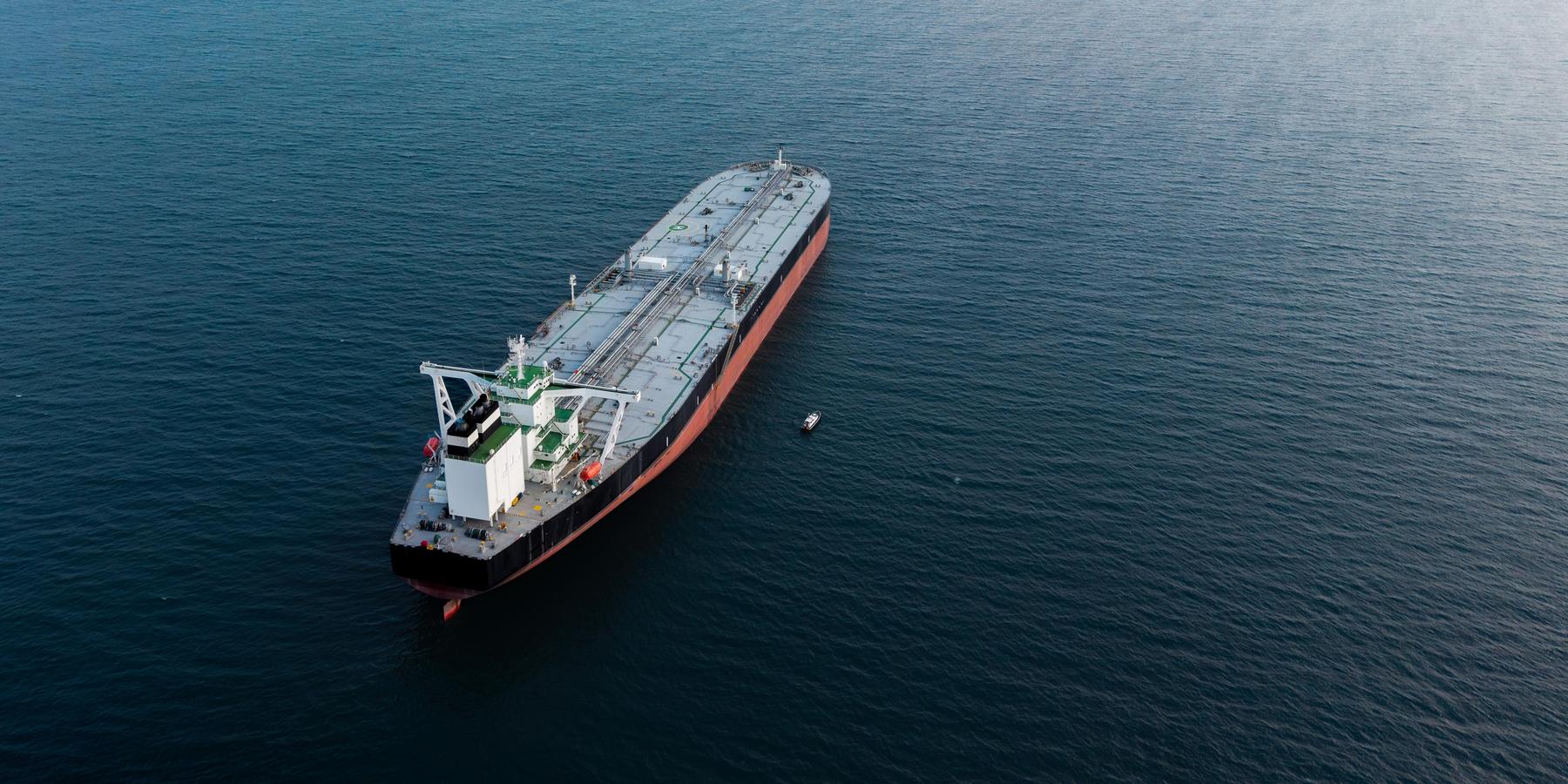
And the arrival of oil or petroleum products at their final destination would take even longer. There’s a reason the supertanker is a metaphor for something that moves and maneuvers slowly. It can take 20 days for cargoes from Hormuz to reach Singapore and, as IMF Managing Director Kristalina Georgieva pointed out at the same event, up to 40 days to reach the Pacific Islands.
The bigger problem may be the physical damage that the war has wrought. One recent estimate puts the damage to energy infrastructure at $58 billion, with the brunt felt in Iran, where the damage has been extensive, and in Qatar, where it was more precisely targeted at the massive Ras Laffan Liquefied Natural Gas export facility. Some parts of that facility are expected to remain offline for years; it could take four years for specialized suppliers to deliver key components, like the massive gas turbines required for compression and liquefaction.
Downstream of oil and gas production lie many materials essential to the modern world. Fertilizer is by far the most important, but others include helium, used for semiconductor production and ethylene glycol, used as an antifreeze for concrete. In other words, the war’s impact on industries from electronics to construction could still be felt for months or years to come.
Further, the drawdown of stockpiles of petroleum means that, even once “normal” supplies resume, many countries may conclude not just that they will have to replenish the drawdowns, but also that they must build bigger and broader stockpiles. This activity will affect the cost of procuring supplies for the poorest countries of the Global South.
All this serves as a reminder that, in an age of mercurial policymakers, instant communications, and fast-moving markets, an older economics based on the physical and temporal constraints of “stuff” and distance still matters enormously.
- Hormuz is not a tool to end the war but how Iran wins the aftermath ›
- Why the US Navy won't blast the Iranians and 'open' Strait of Hormuz ›