

Last updated at 2:05 PM EST
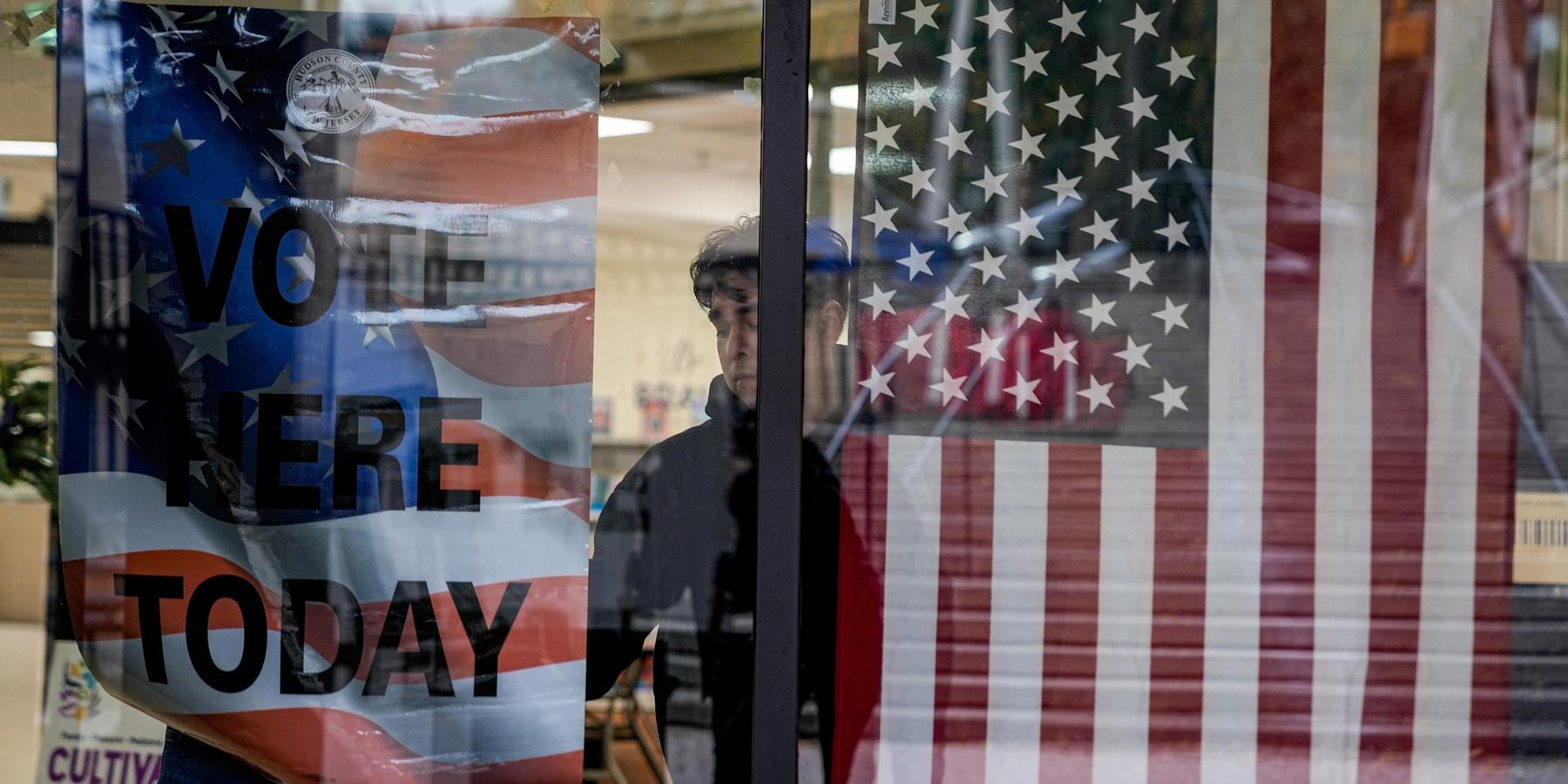
As voters head to the polls Tuesday, Republicans are bracing for a defeat that could leave both chambers of Congress in Democratic hands.
Survey data suggests the GOP’s precarious position, which came after a huge swell in Republican support in 2024, comes down to two related issues driving voters to the polls: prices are high, and the Middle East is burning.
The question now is whether voters will hold Republicans across the country accountable for President Donald Trump’s controversial foreign-policy agenda, including tariffs and the war in Iran, both of which have driven up costs in the grocery store and at the pump.
The polls certainly look promising for the Democrats, who are favored to pick up Senate seats in such typically red states as Kansas and Texas, according to Nate Silver’s “FLIPR” forecast. As of Tuesday morning, Silver, VoteHub, and RealClearPolitics all projected a Democratic sweep of the House and Senate.
Follow along with us to get the latest on how the cost of living and the Iran war are affecting today’s election. Responsible Statecraft will update this page regularly as exit polls and results start rolling in.
Don't read too much into the 'foreign policy election'
Posted at 2:05 PM EST
In a Foreign Policy piece published today, Stimson's Emma Ashford warns not to read too much into the Iran War's impact on today's midterm results. While it is true the war is one of the top reasons why Americans may be voting the way they are, it may not reflect their overall feelings about Trump's foreign policy or, importantly, what came before it.
As the horse race for the 2028 presidential election kicks off in the coming weeks, you’ll hear about the ways in which the election is a wholesale rejection of the Trump administration’s foreign-policy choices. This would be an oversimplification. What voters are incensed about is the war with Iran, not necessarily Trump’s broader rejection of the old bipartisan foreign-policy consensus.
Honestly, it’s not clear from polling or focus groups what it is that American voters want from foreign policy, other than perhaps less of it: a reduced role in the world and a policy that focuses on the needs of Americans. For Democrats in particular, then, overreading these midterms as a wholesale rejection of change in foreign policy is a mistake; just because voters have rejected one disastrous foreign-policy choice does not mean that they’re ready to return to the pre-Trump status quo.
Read the full piece here.
Osborn: Trump has made it hard for families to keep groceries on the table
Posted at 1:34 PM EST
In an election-day interview in Omaha, independent Nebraska Senate candidate Dan Osborn said voters are tired of seeing politicians enrich themselves as the cost of living surges.
“They see the people on the top getting rich and themselves struggling more and more everyday, regardless of what you do for a living,” Osborn, who is in a neck-and-neck race with incumbent Republican Sen. Pete Ricketts, told Drop Site. “The grift is real. It’s real for people like for families like mine who are having to keep groceries on the table and gas in our tanks.”
Osborn added that Trump “should not be in charge of sending our sons and daughters into a war zone.”
Mark Levin: 'Vast majority of us are unaffected by the war'
Posted at 1:05 PM EST
Neoconservative radio jock Mark Levin stuck a note of lamentation in his latest episode, saying that if the Republicans lose big today, it will be due to low GOP turnout and not because Americans are turning against President Trump's policies. In fact, he charged, "we know when it comes to Iran, they had a nuclear obsession, and that had to be stopped. And as a result, you can go to bed at night, and the vast majority of us are utterly unaffected by that war."
He said if Republicans lose big Tuesday, "it's not because of the Iran war. It's not because of the price of gasoline. It's because more of them (Democrats) voted than us."
Unfortunately for Levin, the data doesn't bear that out. According to the latest metrics, the closing of the Strait of Hormuz after Trump launched the war in February has resulted in higher oil, diesel, and gasoline prices. American farmers have been impacted by diesel prices and shipping disruptions (in particular fertilizer components), and consumers are seeing higher prices on goods, not to mention on interest rates. Wage growth is not keeping up with inflation.
Polls too have shown that the war is ahead of immigration and even crime in terms of the issues animating the vote today.
Election-day gas prices hit record highs
Posted at 1:05 PM EST
Gas and diesel prices both reached all-time election-day highs Tuesday, fuel analysts said. The average gallon of gasoline in the U.S. now costs $4.12, while the average gallon of diesel costs $6.28 — a roughly 50% surge since February.
The rapid increase in gas prices is due almost entirely to the war in Iran, which has roiled global oil markets by largely closing the Strait of Hormuz. Polls show voters rate gas prices and the broader cost of living as two of their top issues in Tuesday’s election.
While some Republicans have distanced themselves from the war, saying it needs to end, most have stuck to the Trump administration’s line about defeating the Iranian regime. Florida Gov. Ron DeSantis, a likely 2028 Republican presidential candidate, said Monday that this posture could hurt Republicans going forward. “Gas is higher. It hurts people, working class people, and it's higher because of this conflict,” DeSantis, who is not running for reelection in Florida, said. “If you can't admit that to voters, then you're gaslighting them, and they're not going to listen to you on other things.”
- 'Major wipeout' of 2006 proportions could force a new GOP reckoning ›
- Is Darline Graham the canary in coal mine for midterm war backlash? ›
- Voters more worried about Iran war than immigration or crime: polls ›