

It’s a time for choosing in the Russia-Ukraine war.
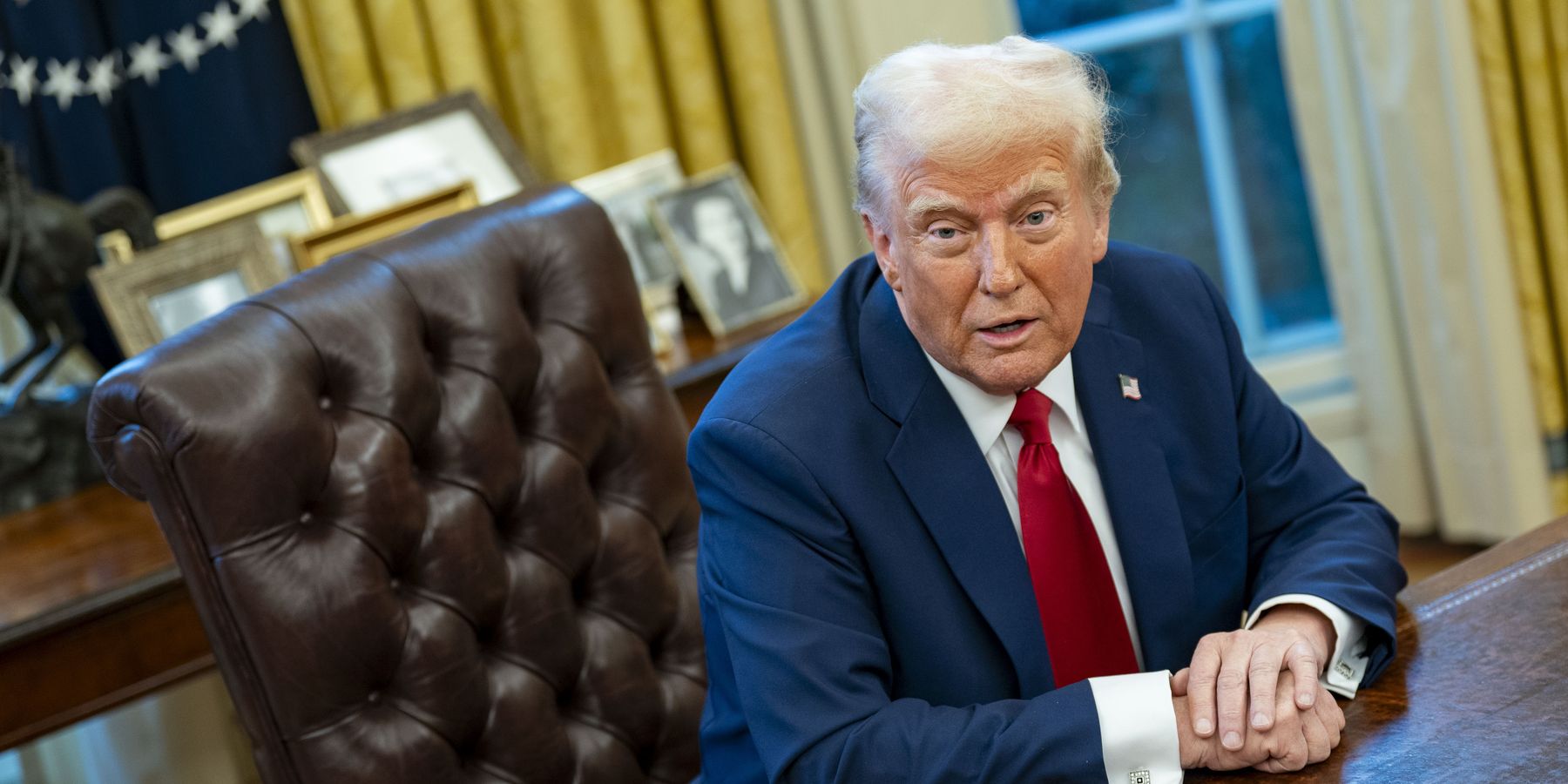
President Donald Trump’s decision to considerably shorten his 50-day deadline for Russia to agree to an unconditional ceasefire with Ukraine reflects his mounting frustration with what has proven to be a difficult peace process.
The President acknowledged on Monday this move is unlikely to shift Russia's position. “If you know what the answer is going to be, why wait?” he said.
As the White House ponders next steps, it’s worth reflecting on the geopolitical moment President Trump finds himself in. It was only eight months ago that any talk of a viable diplomatic settlement was traduced by the previous administration as a naive, shortsighted capitulation to autocracy.
The Trump administration deserves no shortage of credit for lifting the three-year blockade on dialogue with Russia, a grave mistake by Western leaders that has exacerbated the diplomatic logjam Ukraine is now in.
Direct high-level channels between Russia and the U.S. were restored almost immediately upon Trump’s assumption of the presidency. Months of dialogue between Trump and his Russian counterpart, Vladimir Putin, as well as the relentless diplomatic efforts of special envoy Steve Witkoff, have de-escalated bilateral U.S.-Russia tensions and generated a clearer, even if ungenerous, picture of Russia’s framework for a peace settlement.
Most importantly, President Trump has conclusively refuted the strategic bankruptcy and political nihilism of the “as long as it takes” mantra that has colored the Western approach to Ukraine under the previous administration. There is now widespread agreement, spearheaded by the White House, that the war must end through substantive diplomacy.
But the administration is now faced with a dilemma that, if left unresolved, threatens to undo the real diplomatic progress that has been made since January. This is a bilateral conflict between Russia and Ukraine, but there is also a level on which it is a confrontation between Russia and the West that is unfolding on Ukrainian soil. Both of these prongs must be addressed as part of any sustainable settlement.
Prioritizing the former and largely ignoring the latter by treating this war as a narrow deconfliction/delimitation problem is a recipe for failure.
To be sure, Trump is fully justified in taking the view that this crisis was compounded and badly mishandled by actors he has nothing to do with, including, as it were, some of the loudest promoters of the false Russiagate narratives that derailed his first term and left a malign imprint on U.S. national security discourse.
Many of these same actors are now urging Trump to abandon the sound judgement behind his pledge to keep America out of endless military entanglements and to instead adopt a lightly repackaged version of the failed Biden-era policies that he rightly denounced.
This crisis was foisted on Trump by forces outside his control, but it is nevertheless his to resolve, and the choices made by the White House in coming weeks will augur fateful results not just for the Ukraine peace process but for the administration’s ability to deliver on its larger foreign policy vision. There cannot be a sustainable reprioritization of U.S. resources away from Europe to the Indo-Pacific while this war roils on, nor if it ends with a volatile Europe teetering on the brink of direct confrontation with Russia.
There is no “walking away” from this, except in the purely tactical sense of leveraging U.S. aid to smooth the way to a viable peace deal. Nor is it technically possible or the slightest bit desirable to revert to the Biden-era malaise of aiding Ukraine from one aid package to the next with no endgame in sight. U.S. security assistance and sanctions can impose costs on Russia in a way that prolongs the conflict, but these tools were never enough to put Ukraine on the winning side of what has been a grinding attrition war against a vastly larger enemy.
It should be recognized as part of any diplomatic point of departure that Russia will never agree to an unconditional 30-day ceasefire. Imposing deadlines in service of this goal, regardless of length, does nothing to assuage the underlying logic that Russia will never surrender its principal source of leverage – namely, its military advantage and escalation dominance over Ukraine – without substantial concessions from Kyiv and the West. There is little the U.S. can offer, in terms of affecting the bilateral military dynamics between Russia and Ukraine, that Russia cannot take by force if the war continues into 2026.
The only way out is through sustained, creative diplomacy that takes into account the full scope of challenges and opportunities in U.S.-Russia relations. The stakes extend well beyond Ukraine; President Trump has a window to not just put an end to the carnage and tragedy wrought by this war, but to do so while advancing American strategic interests in a way not seen since Richard Nixon’s opening to China. But to seize this opportunity, the White House must treat the Ukraine war as the complex, multilayered problem that it is.
The question of Ukraine’s postwar orientation must be at the core of any roadmap to a ceasefire and durable peace. Here, the starting point for negotiations should be guarantees that Ukraine will not join NATO and that no NATO troops will be stationed on Ukrainian soil, in exchange for Moscow’s reaffirmation that it has no objection to Ukraine’s pursuit of European Union membership.
The Trump administration should outline concrete steps to restore U.S.-Russia commercial ties and reintegrate Russia into Western-led financial institutions as part of a package deal premised on Russia’s willingness to soften its territorial claims. The White House should likewise make clear that a negotiated settlement in Ukraine would generate the goodwill and confidence-building mechanisms necessary for constructive dialogue on arms control and NATO’s force posture in Eastern Europe, both questions of acute concern to the Kremlin.
Creative solutions will have to be developed to address Ukraine’s postwar security needs in a way that doesn’t feed into future escalatory spirals between Russia and its neighbors; my proposal for an off-site stockpiles aims to accomplish just that.
In short, the key to a successful negotiating posture on Ukraine is to refocus the talks away from immediate deconfliction to underlying strategic issues that both Moscow and Washington have vested interests in addressing. This can only be accomplished by accepting and consistently acting on the reality that the main sources of American leverage are to be found off the battlefield. No one said this would be easy, but the costs of inaction – both for Ukraine and U.S. global interests – are far higher.
Peace through strength has always meant more than maintaining military readiness, important as that is. The true measure of strength is being able to tap all the tools at your disposal in pursuit of concrete national interests, and nowhere is this sense of hard-nosed pragmatism more urgently required than the Ukraine crisis. President Trump’s instincts as a dealmaker have gotten him this far – now is the time to bring it home.
- Trump may get Russia and Ukraine to the table. Then what? ›
- How Trump's 50-day deadline threat against Putin will backfire ›
- Trump vs. Medvedev: When talking tough is plain turkey | Responsible Statecraft ›
- What can we expect from a Trump-Putin meeting? | Responsible Statecraft ›
- Why Trump's Ukraine negotiation efforts fail | Responsible Statecraft ›