

Middle East
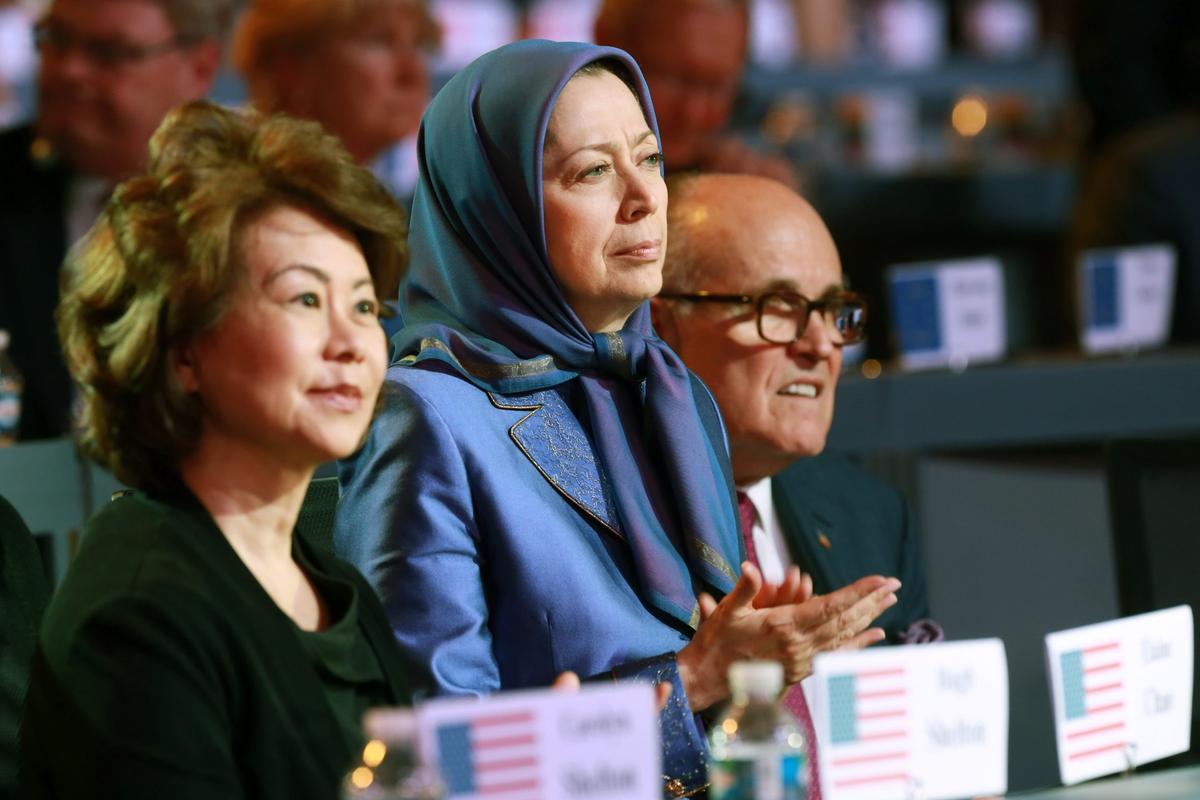
How the UAE and MEK weaponize AI to spread propaganda
Some pro-US groups are using the technology to fight allegations of war crimes and stoke tensions abroad
October 20, 2026
Some pro-US groups are using the technology to fight allegations of war crimes and stoke tensions abroad
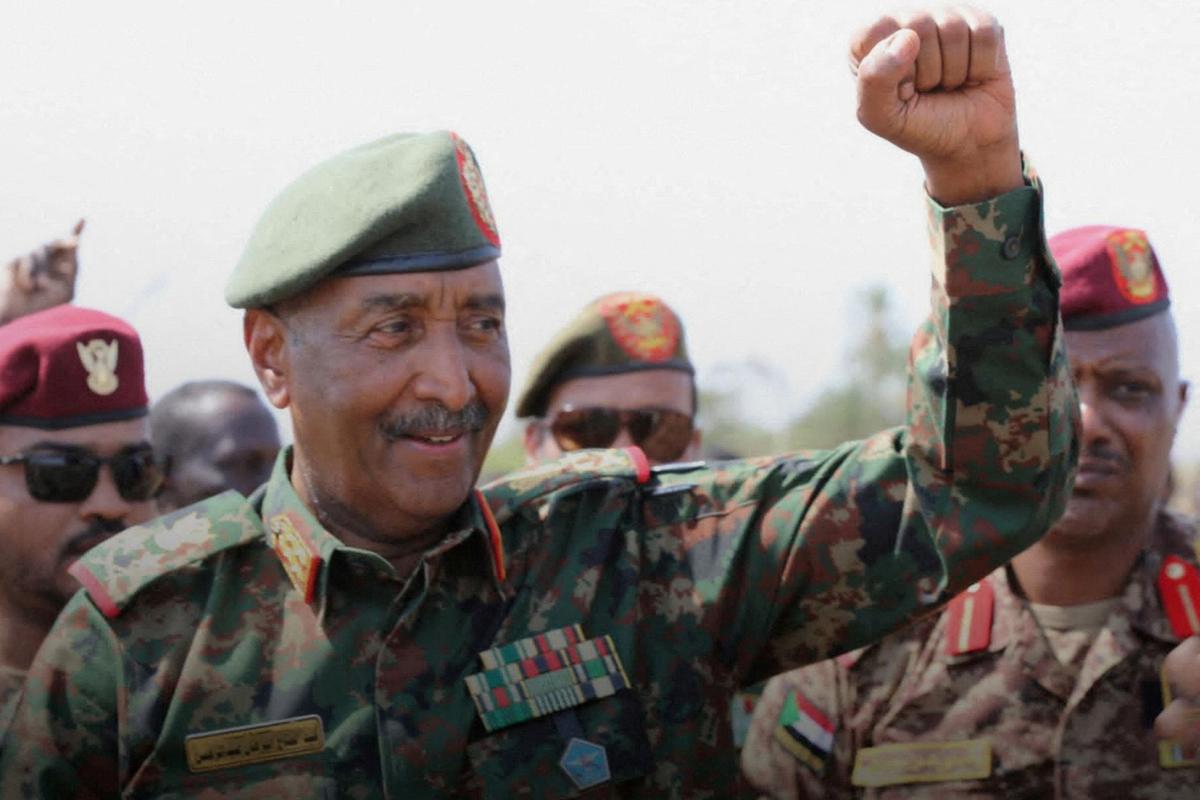
US attempts at ending the conflict in Sudan are questioned as tactics appear uneven, leaves UAE off the hook, and lacks attention due to Iran war

The Iran conflict has scared away tourists and expats while reducing crucial fossil fuel exports
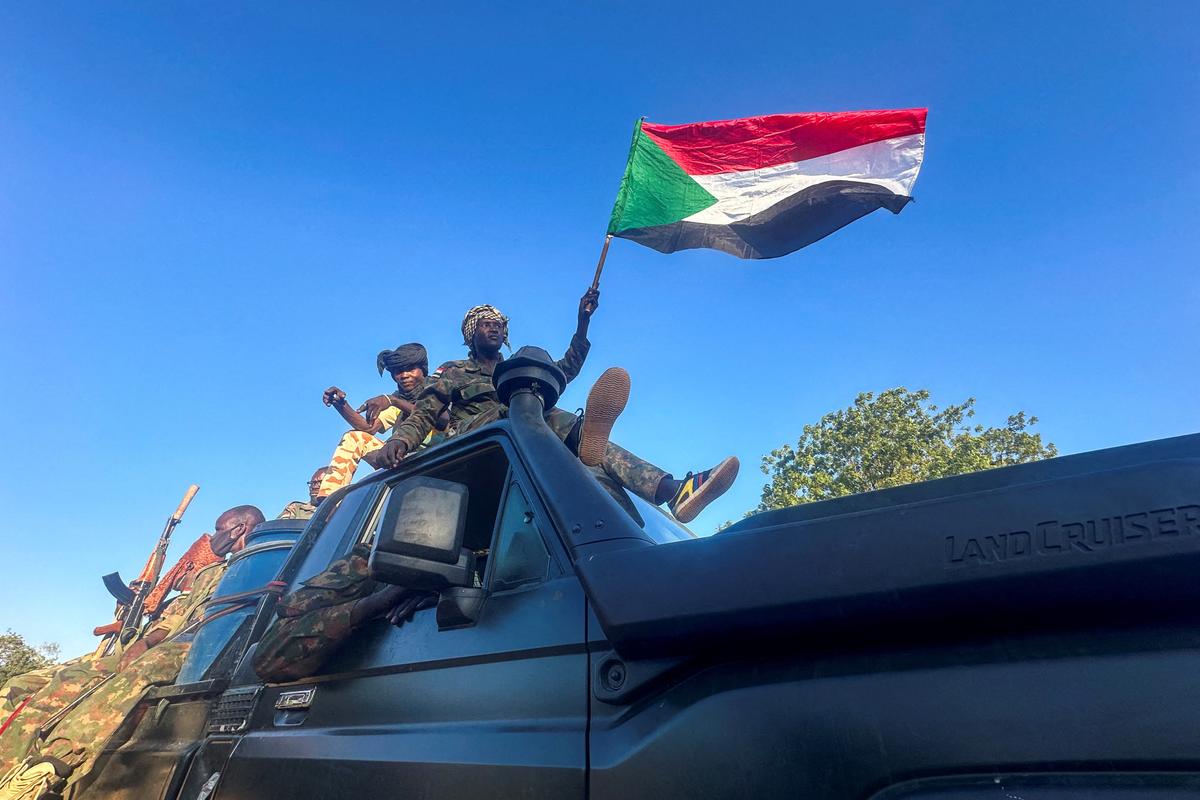
Experts debate the value in congressional actions against the country’s Rapid Support Forces, which are being fueled in part by one of Washington's closest partners — the UAE
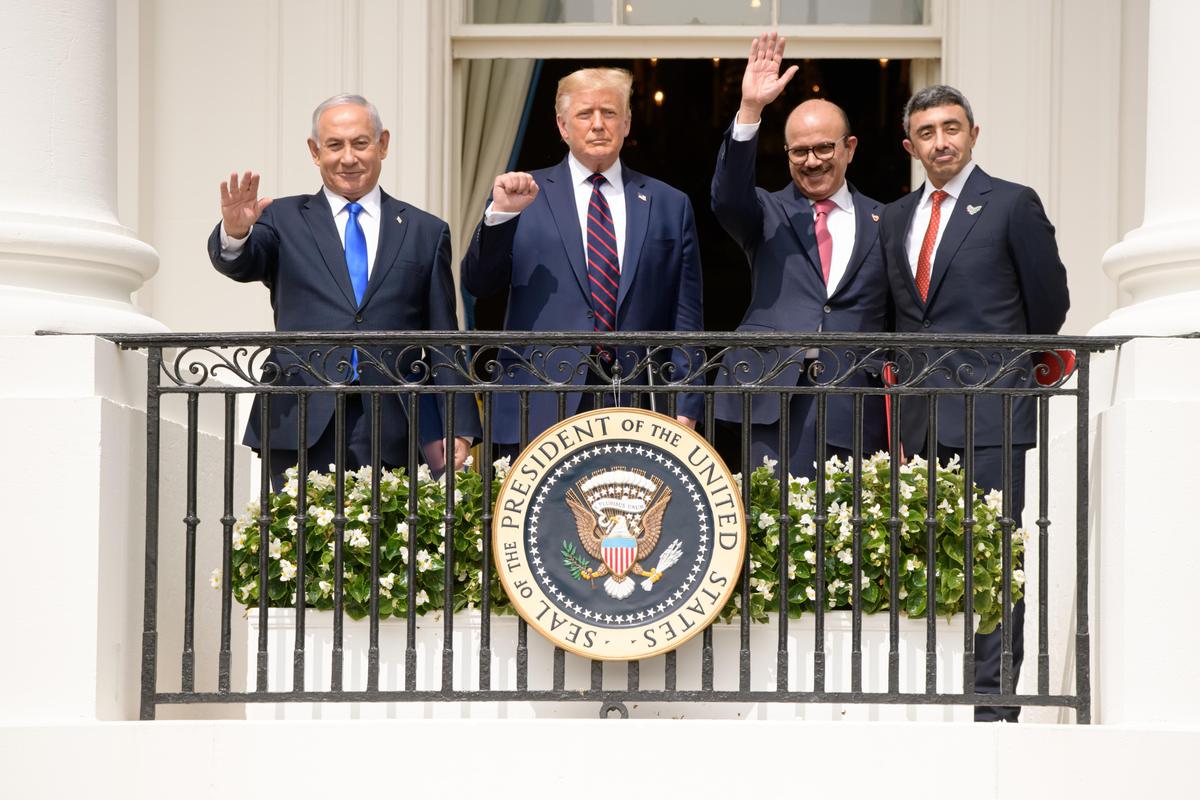
The agreements can't bring peace because they sidestep the root cause of instability in the Middle East

To do so would rebuff Washington at a time when rebuilding and recalibrating in the wake of a shocking Iran War outcome is of the essence