The Pentagon, first, last, and always
Make no mistake: the addiction to Pentagon spending is a bipartisan problem in Washington.
Former White House official: if they’re expecting reductions, the president’s base is in for a ‘cycle of disappointment’
In some cases, the US provided facilities or equipment to the Afghan government without asking if it wanted, needed, or could maintain them.
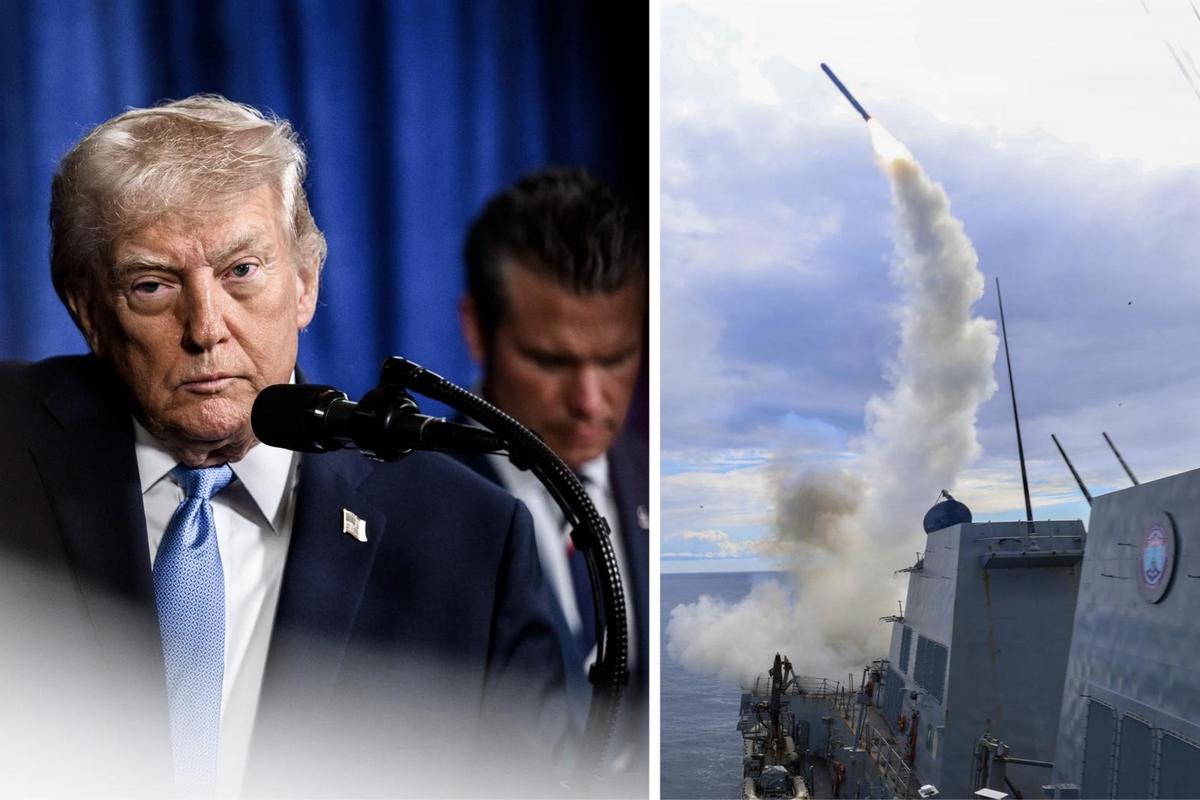
Let the record show: Trump poured fuel on our endless wars and kicked diplomacy to the curb.
This is what happens when lawmakers cram annual Pentagon funding into a politically charged package on a deadline.
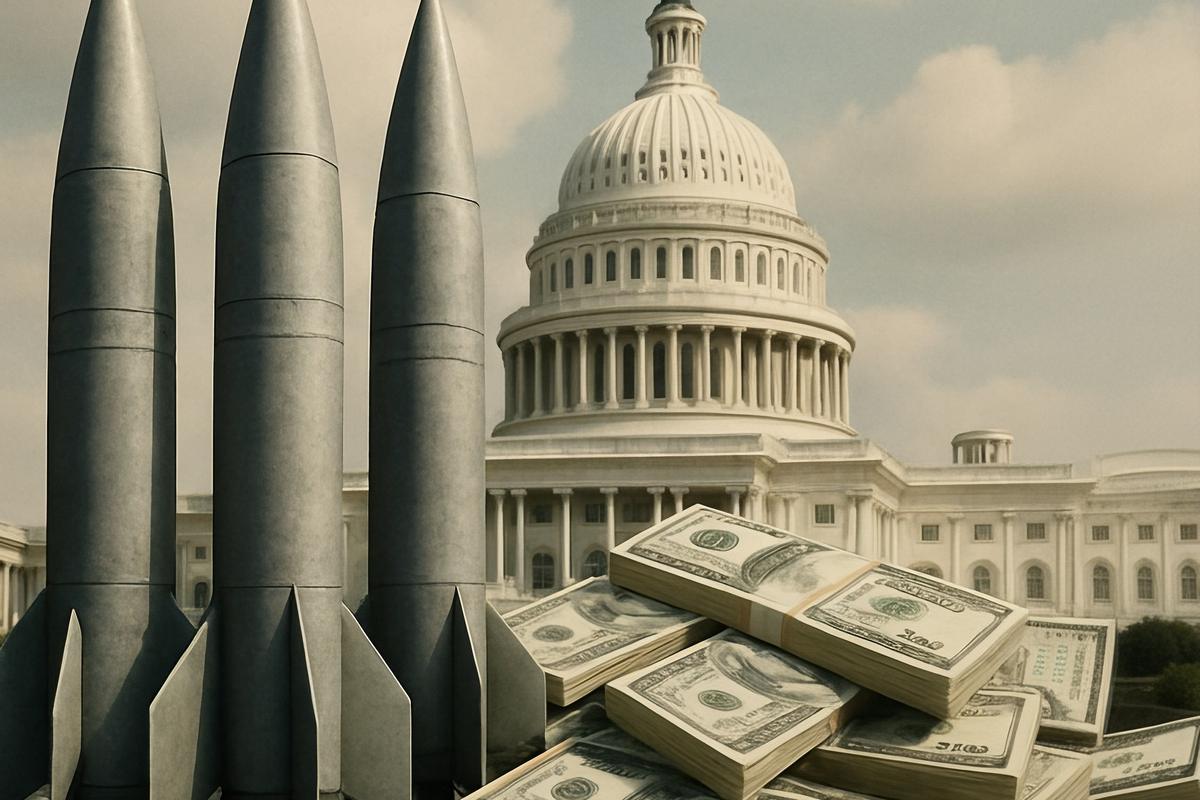
Follow the money: America’s nuclear posture is driven by contracts and an army of lobbyists, not strategy.
The best hope for reducing Pentagon spending is the collision between that department’s never-ending, ever-rising desires and the overriding economic and political realities of this difficult moment.
Today’s greatest threats cannot be met with military might, yet it appears the incoming Biden administration has no intention of reining in the out of control DOD budget.
In 1967, Dr. King warned that “a nation that continues year after year to spend more money on military defense than on programs of social uplift is approaching spiritual death.”
Cutting the Pentagon budget needs a movement — a big one.
In some ways the COVID-19 pandemic is but a dress rehearsal for climate change, and the world has been granted a golden opportunity to change its ways before the worst is upon us.
Will China continue its economic rise? And will all U.S. leaders finally realize that climate change is truly an existential challenge?
Decades of militaristic foreign policy has left the U.S. ill-prepared to combat actual threats to Americans and the world.
The next president must anticipate resistance, both inside and outside government, to shifting away from counterterrorism national security posture.
President Eisenhower famously warned of the tradeoffs between foreign and domestic priorities, particularly when it comes to military spending.
From the perspective of public discourse in the U.S., our globe-spanning, resource-draining military and security apparatus exists in an entirely parallel universe to the one most Americans experience on a daily level.
We were raised to believe in American exceptionalism. But why are we on track to have the worst coronavirus pandemic outbreak of any country on Earth?
Investments in critical human needs, from diplomacy and global health initiatives to build economic resiliency and mitigating the growing climate crisis, have been gutted to bankroll our endless wars.
The former vice president also doesn’t have much to say about the Obama administration’s foreign policy failures.
The White House’s proposed Pentagon budget is “only” $740.5 billion. But the actual national security figure comes in at more than $1.2 trillion.
Cutting the Pentagon budget requires a multi-pronged approach that includes reform on anti-corruption, democracy, and campaign finance.