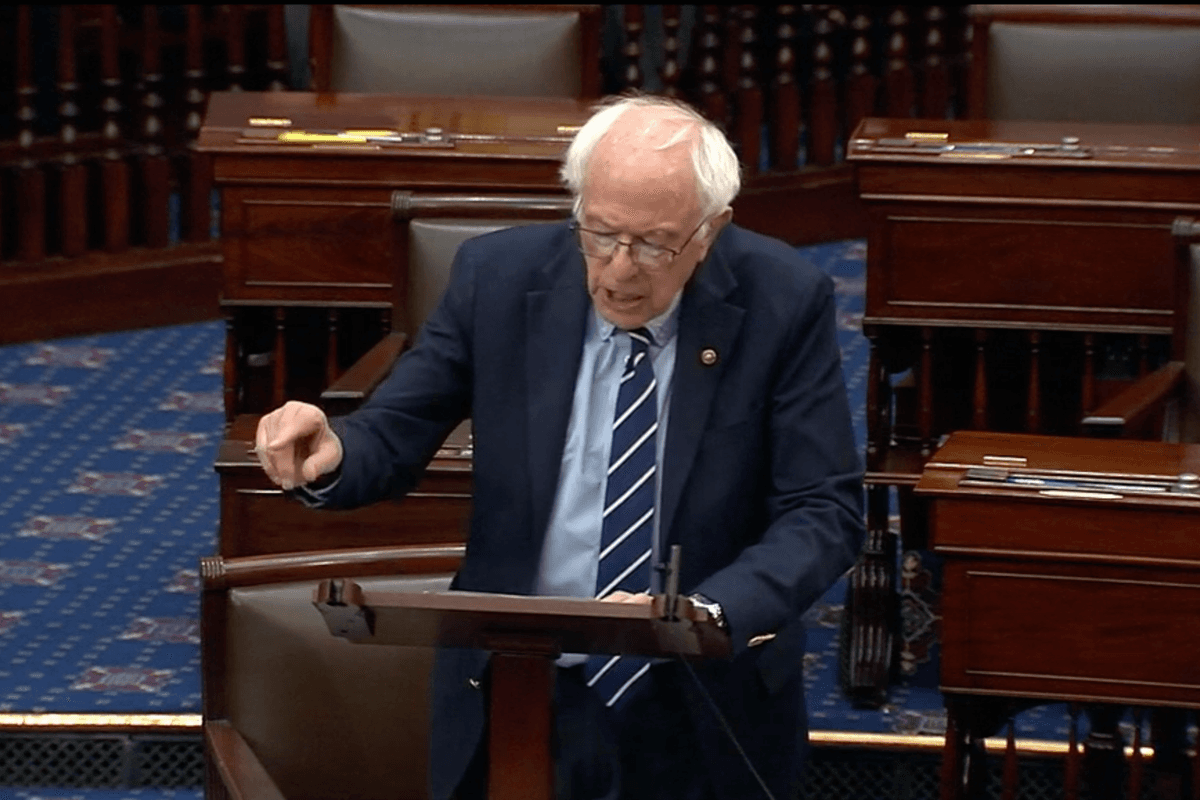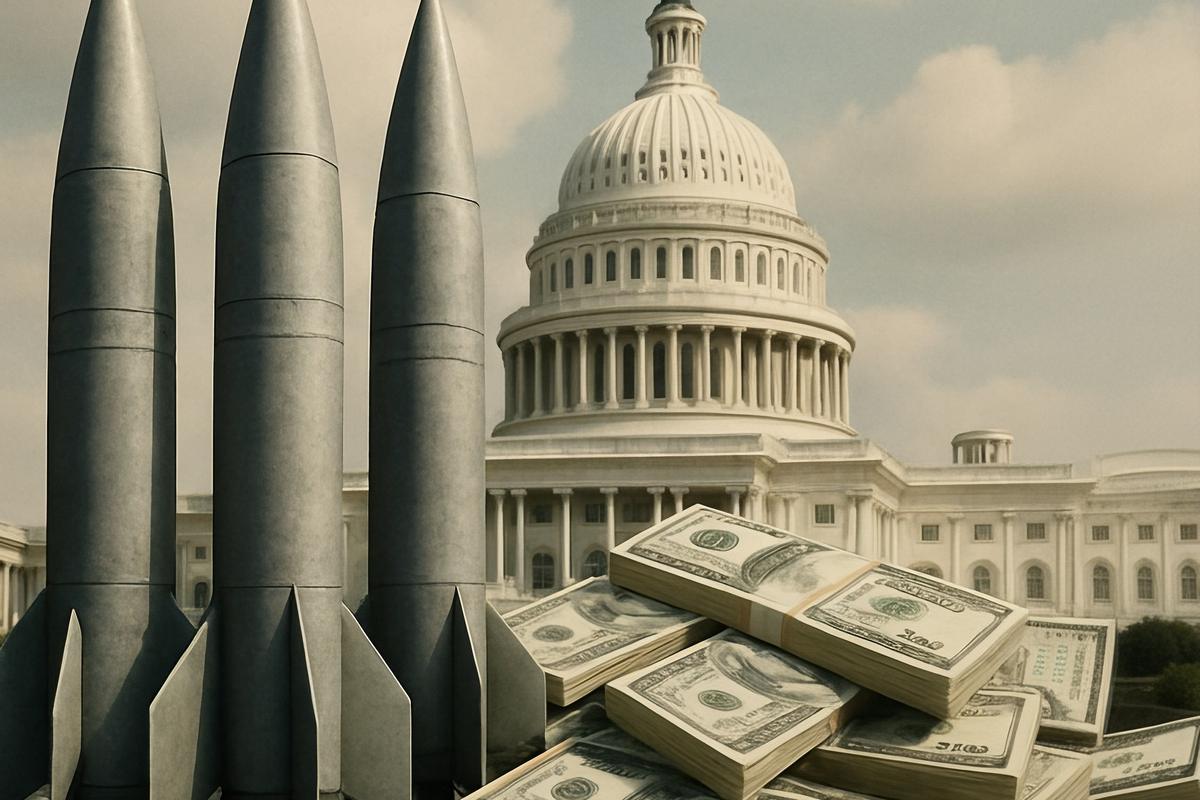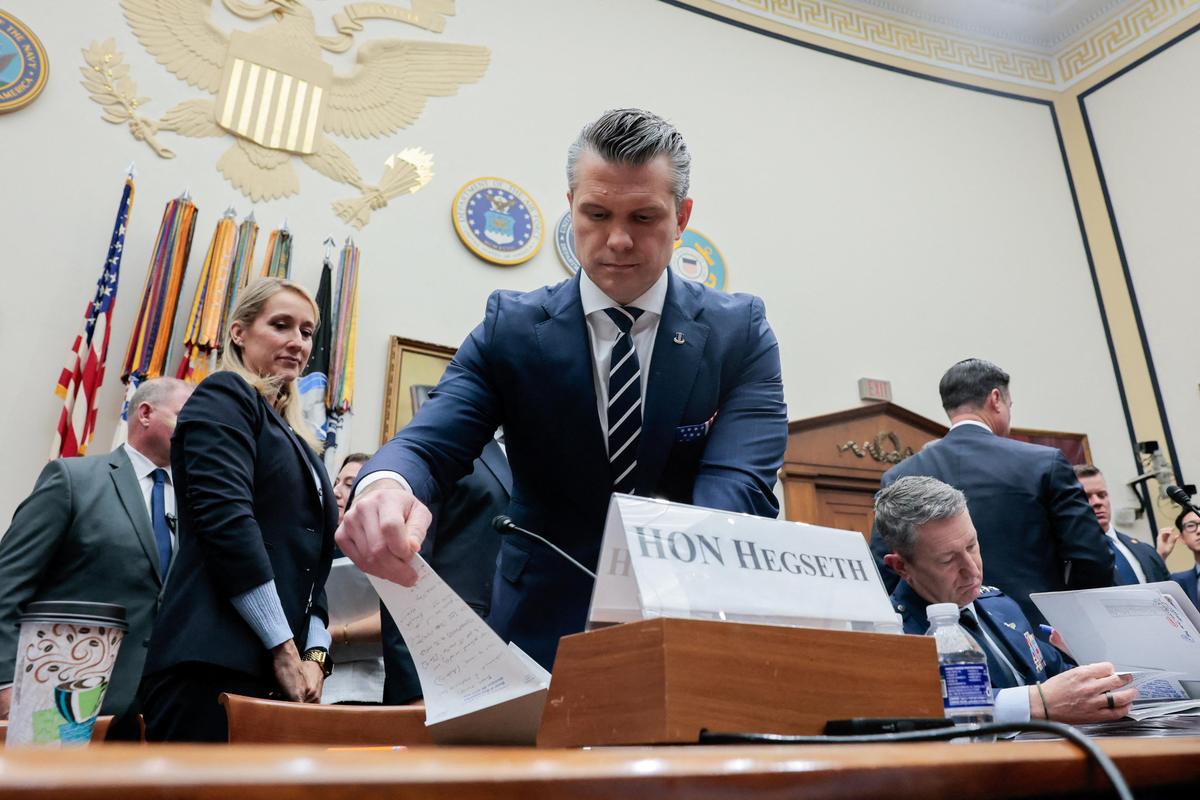
Lawmakers pave way for $1.2 trillion in new military spending over next 10 years
A $23.9 billion addition to the NDAA would have a greater longterm impact than Congress wants to acknowledge.
The foreign policy elite are focused on defending their reputations and privileges, not in confronting failure in Afghanistan.
Start by asking who benefited from the protracted war, a question that will elicit uncomfortable truths about Washington.
It’s as predictable as the sun rising and setting, but that doesn’t mean we have to accept the games that the Congress and Pentagon play.
These members bucked their parties and risked alienation (and primaries), but stood their ground on the Afghanistan and Iraq wars.
The next step — passing the full Congress — seems closer than ever, which would end a 20-year-run for this much abused authority.
The House passed a bill that sounds good superficially, but doesn’t end the useless militarized approach or get to root problems.
57 years after Senators Gruening and Morse made their lonely stand, lawmakers are still passively ceding war powers to the president.
Republican lawmaker wants a repeal of the ‘blank check’ 2002 AUMF, calling the president’s war powers “disturbingly broad.”
Saying the 2002 authorization for military force has been “stretched beyond belief,” they hope to help pass a bipartisan bill on Thursday.
Offering no evidence, lawmakers are accusing Ariane Tabatabai of dual loyalty and demanding her security clearance be revoked.
Democratic Rep. Anthony Brown is disingenuous when he says the military will be cut to offset costs for bold plans at home.
Lawmaker uses climate hearing to question the envoy’s honesty about an alleged conversation regarding Israeli airstrikes in Syria.
Applying phony solutions to real problems — it seems the armed forces, in league with Congress, has this down.
The first in a series about a Senate bill enshrining a zero-sum approach to Beijing that will surely set us on a course of escalation.
The panel with no diversity of views was meant to reinforce a forgone conclusion: more money for more weapons.
We cannot accept at face value that the US and Saudi Arabia are committed to peace when their actions demonstrate the opposite.
Beware of another year in which politics wins over strategy and the security budget is bloated in all the wrong places.
After 10 years of winking and nodding, the new Congress is close to lifting the ban on defense carve-outs for members.
Bipartisan momentum is again building to repeal the 2002 AUMF; will the Defense Department stand in the way?
The last four years have given us a real-life lesson in presidentialism run amok. It didn’t start with Trump but it can end with him.