

This month, as delegates from around the world gathered at the United Nations to talk about nuclear nonproliferation, the U.S. and Russia chose to remind everyone just how much destructive power they command.
On May 12, Russia staged a test launch of its Sarmat intercontinental ballistic missile (ICBM). Russian President Vladimir Putin promptly announced that the Sarmat will go on combat duty by the end of 2026.
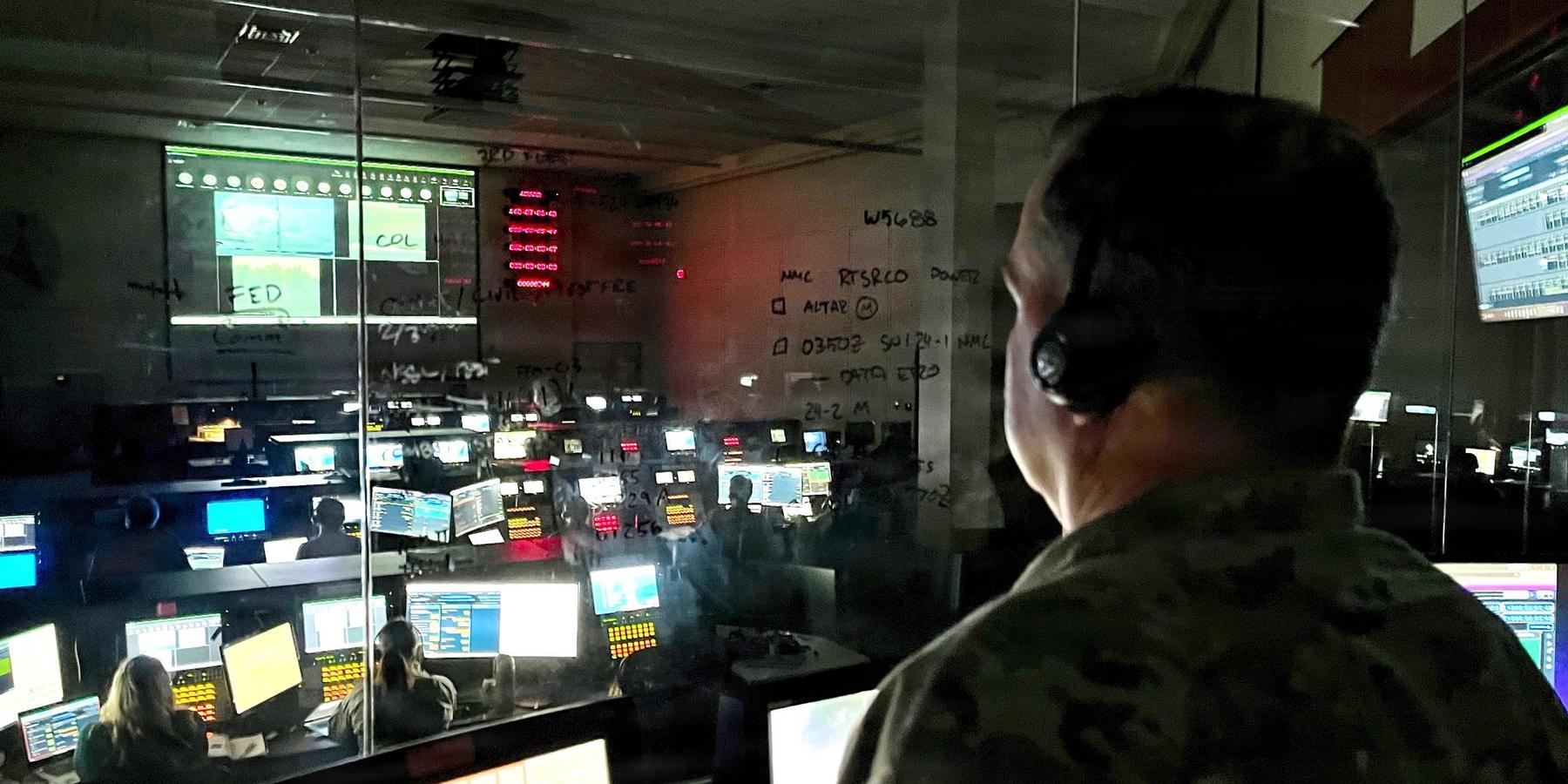
On May 20, the U.S. Air Force launched an unarmed Minuteman III ICBM. The missile has been in service since 1970 and may need to operate through 2050 — 14 years longer than planned — because its next-generation replacement, the Sentinel ICBM, is running years behind schedule and billions over budget.
None of these tests made either country safer. Rather, they deteriorated the diplomatic environment. And in political terms, they were corrosive: they further normalized the idea that nuclear policy is about signaling rather than diplomacy at the exact moment diplomats were trying to keep the focus on risk reduction.
The Air Force emphasized that its test was scheduled in advance and “not in response to world events,” but the timing could hardly have been worse: just two days later, the 11th Nuclear Non-Proliferation Treaty (NPT) Review Conference wrapped up at the U.N. in New York City without a consensus final document.
Why the conference matters
The NPT Review Conference is a periodic summit where the world’s nuclear and non-nuclear states gather to negotiate next steps toward disarmament and try to keep the promise of the NPT alive. Held every five years, the conference is one of the main pillars sustaining the global nonproliferation order. When states can agree on a final document, it shows that, despite their differences, they still share common ground on the nuclear threat.
But this year, for the third time in a row, the conference ended in failure. The immediate sticking point was a deadlock between the U.S. and Iran over how to address Iran’s nuclear activities in the final text. Washington wanted direct language naming Iran, while Tehran flatly refused and insisted on condemnation of the nuclear-armed states that had attacked it in the past. The chair, Vietnamese Ambassador Do Hung Viet, didn’t even bother to submit the last draft for a vote. Before the conference opened, he had warned that another failure would be catastrophic: “We may lose the credibility of the NPT itself.”
Yet focusing only on Iran misses the deeper fracture. “Tragically, NPT states missed an important opportunity to formally reaffirm their support for the treaty and its core principles, goals, and objectives at a time of increasing nuclear dangers,” said Daryl Kimball, executive director of the Arms Control Association.
After a month of talks, the draft outcome document failed even to call on nuclear-armed states to pursue disarmament negotiations “with urgency,” despite the fact that this obligation already exists under Article VI of the NPT. Instead, the text called for a vague “constructive dialogue” that “could facilitate” future discussions.
Meanwhile, nuclear-armed states and their allies worked to water down or block long-established language about the humanitarian consequences of nuclear weapons use.
Still, not all was lost. Despite U.S. objections, other states managed to insert language supporting the Comprehensive Test Ban Treaty (CTBT) and opposing any resumption of nuclear explosive testing. That was at least a small defense against an eroding norm; President Donald Trump has floated the idea of resuming testing, with Russia warning it would match any U.S. move.
The conference’s conclusion must also be kept in perspective. As Russian arms control expert Vladimir Orlov points out, the NPT Review Conference is about the review process as well as consensus documents. That review happened, and no country questioned whether the NPT is essential. Even if threats to compliance are growing, the treaty remains in force.
Signaling replacing diplomacy
Actions speak louder than words, and May was full of contradictions between the two. American and Russian diplomats in New York praised the NPT as the foundation of nonproliferation while their military commands showed off capabilities the treaty is meant to restrain.
The Sarmat and Minuteman III launches came alongside large-scale Russian nuclear drills that ran May 19-21. Russia billed these as rehearsals for using nuclear forces if threatened.
“As a result of blatantly provocative moves in the nuclear sphere, strategic risks are increasing, as is the danger of a head-on clash between NATO and our country, with potentially catastrophic consequences,” warned Russian Deputy Foreign Minister Sergey Ryabkov.
Nobody seriously thinks a first strike is coming. Deterrence is working in that sense. The real problem is the crumbling diplomatic space. Even routine missile tests may be seen as threats. In turn, threats start to look like preparations for war.
Meanwhile, the architecture of arms control is eroding. The last major agreement capping U.S. and Russian strategic nuclear arms, New START, expired on February 5. Although the U.S. and Russia appear to be informally observing New START's numerical limits following the treaty's expiration, neither side is bound by any legal obligation to do so, and there is no verification mechanism to confirm compliance.
So, where does arms control go from here? The NPT Review Conference was a chance for nuclear states to do the bare minimum: restate their commitments and treat disarmament as essential to security.
They failed. Now, as yet another deadlocked conference fades and missile tests make headlines, the NPT’s bargain that non-nuclear states forgo the bomb in exchange for progress on disarmament by nuclear states looks more lopsided than ever.
History shows that arms races always end with arms control, but often after unnecessary escalation, and occasionally after near-catastrophe. How much brinkmanship will it take before real talks resume?