

Europe
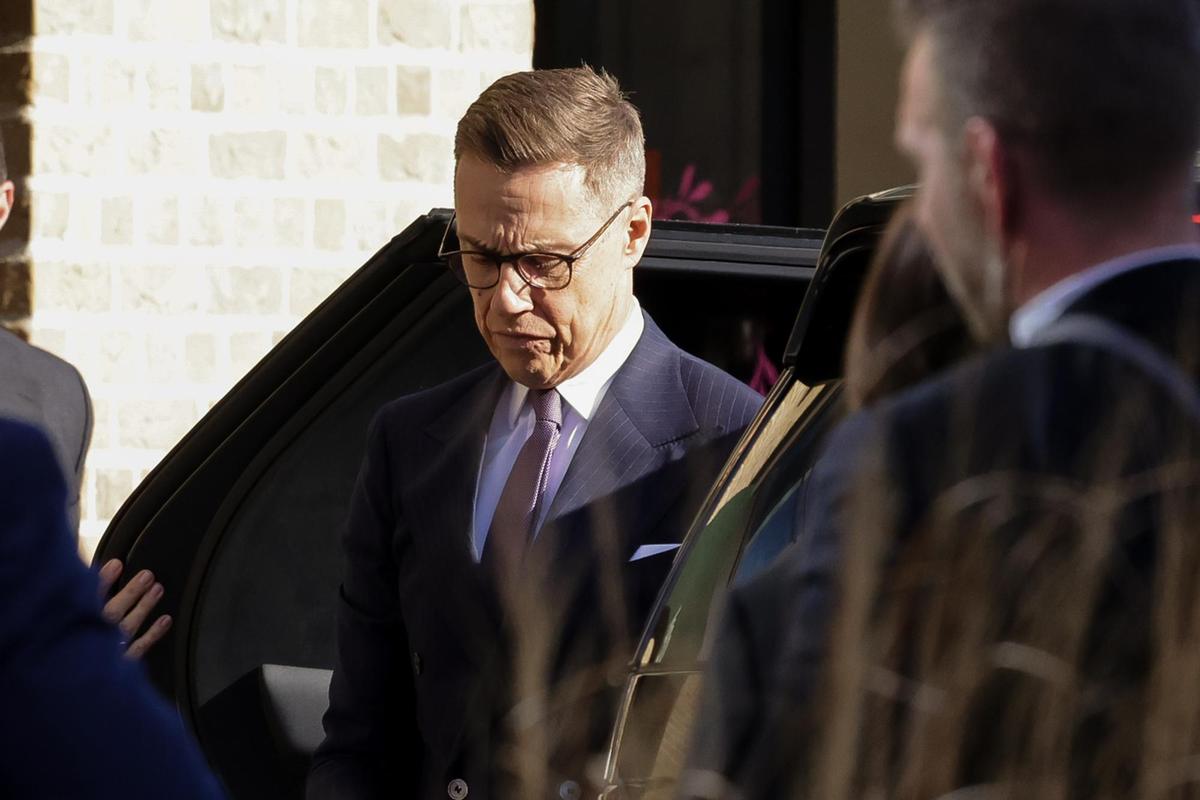
Finland moves to allow hosting of nuclear weapons in dangerous shift
Washington should make clear that it does not want to place nukes near the 800-plus mile Russian-Finnish border
March 25, 2026
Washington should make clear that it does not want to place nukes near the 800-plus mile Russian-Finnish border
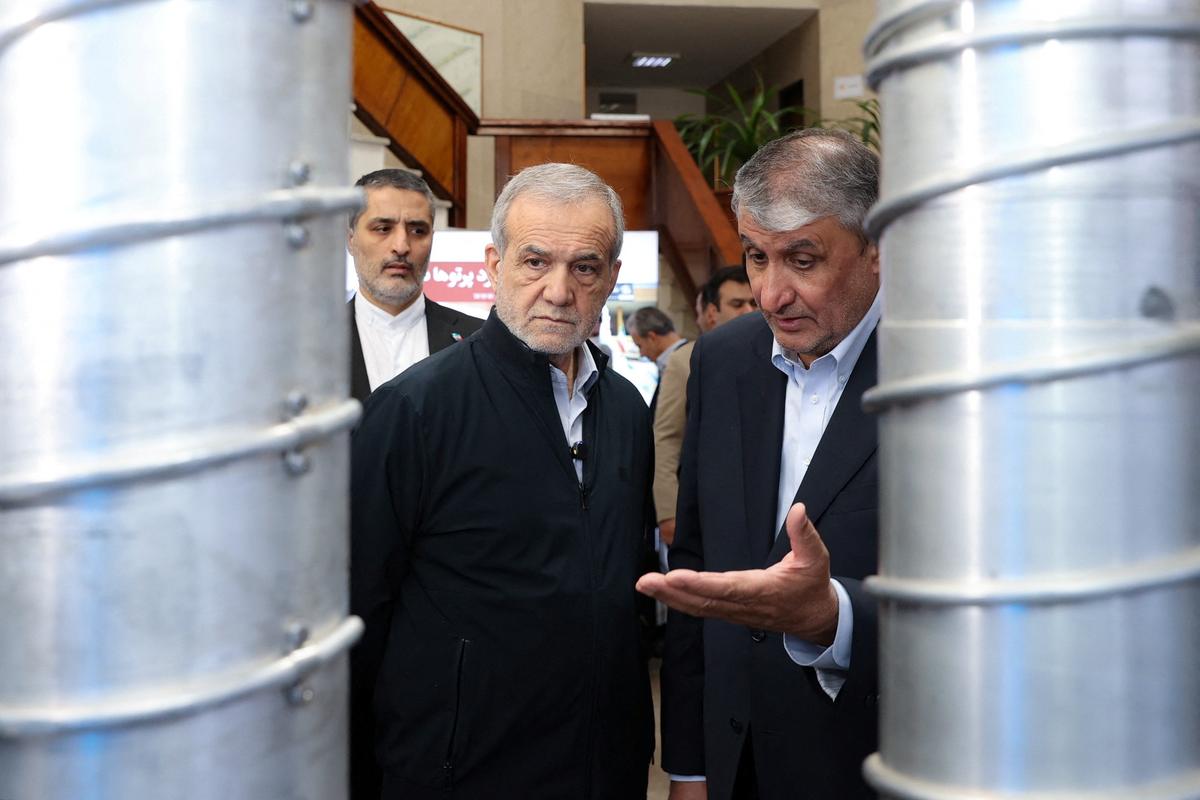
We have traded transparency for destruction, verification for guesswork, and diplomacy for a widening conflict whose outcome is less certain everyday
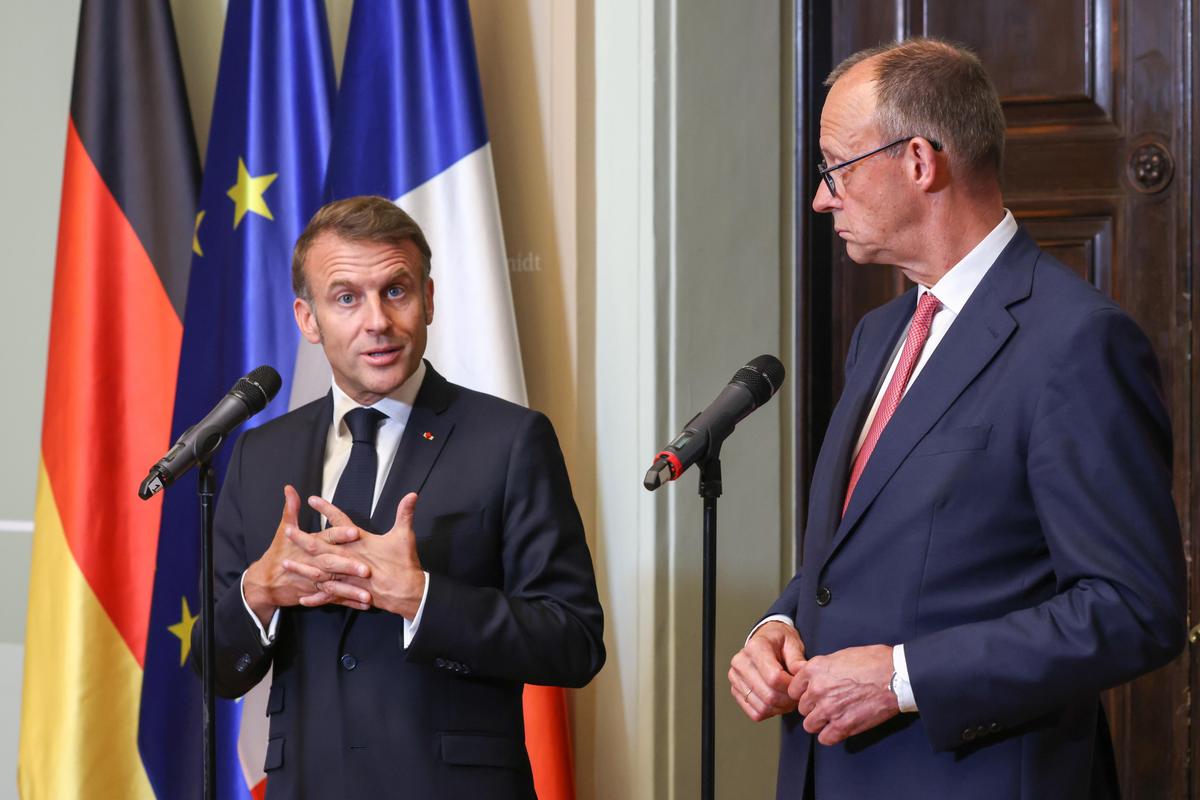
NATO will still be under the US umbrella, but faith in Washington appears to be wobbling
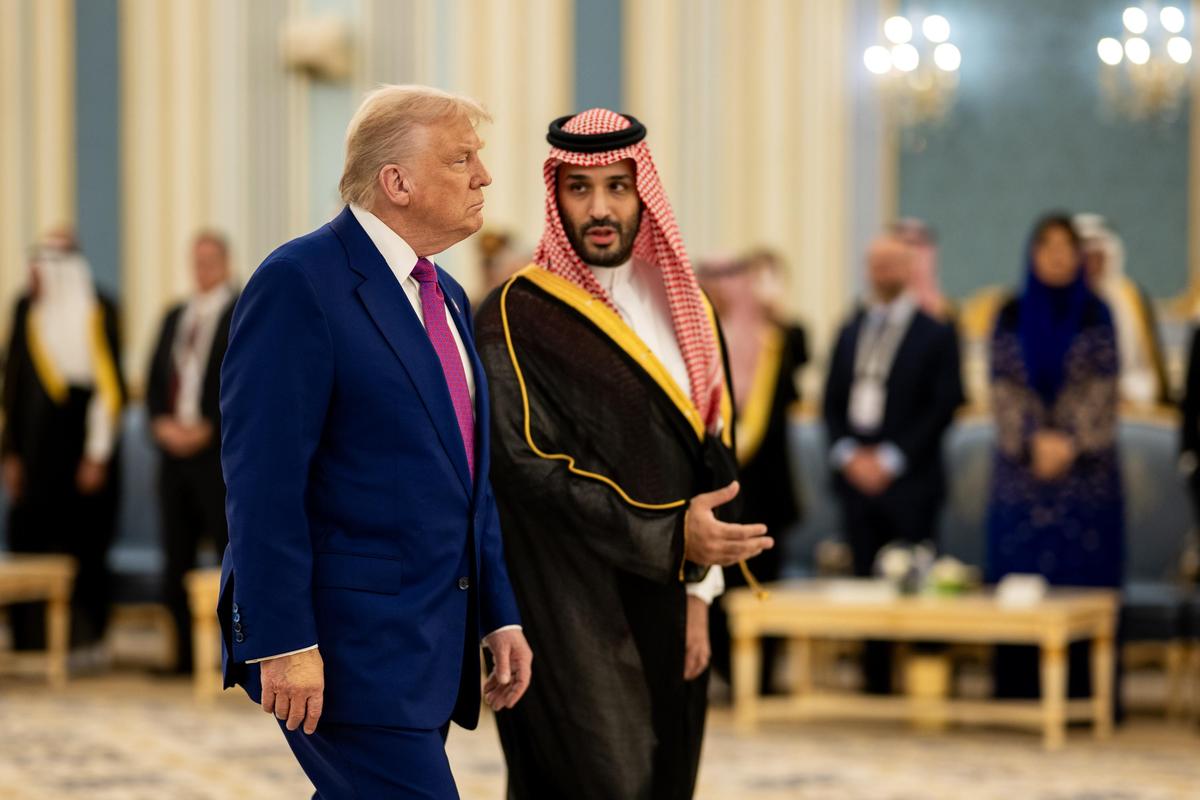
The proposed ‘123 Agreement’ lacks guardrails that would prevent the Kingdom from using our enrichment assistance to build a bomb

Some speculate that the Trump administration is making the accusations as the basis for the US to resume its own experiments
Donald Trump won’t commit troops because he knows it would hurt him politically. But that’s what it would take if he wants Iran to capitulate.