

The Washington establishment’s long war against reality has led our country into one disastrous foreign intervention after another.
From Afghanistan to Iraq, Libya to Syria, and now potentially Venezuela, the formula is always the same. They tell us that a country is a threat to America, or more broadly, a threat to American democratic principles. Thus, they say the mission to topple a foreign government is a noble quest to protect security at home while spreading freedom and prosperity to foreign lands. The warmongers will even insist it’s not a choice, but that it’s imperative to wage war.
These “War First” ideologues across Washington have recycled their experiments in regime change for decades, with only instability, chaos, suffering, and resentment to show for it. But no matter their recent failures, they promise that the next regime change will work, that the next country in the crosshairs will soon be a beacon of human freedom and aspiration. If anyone questions this narrative, they are warned of some hypothetical alternative that is always worse, but never real. It’s a geopolitical game of: Heads, they win. Tails, we lose.
We are assured that only drug smugglers are the target of U.S. operations in the Caribbean, but these assurances don’t reflect the growing reality in the region — that is, unless the U.S. plans to attack small drug boats with the overwhelming power of an aircraft carrier, which is perhaps akin to killing a housefly with a steamroller. But with over 10,000 U.S. troops, eight warships, a Virginia-class submarine, and a dozen F-35s already in the Caribbean, and now the USS Gerald Ford Strike Group surging toward the region, the stage is clearly being set for something larger.
It is the height of arrogance to think we can forcibly remove the dictatorship in Venezuela and expect anything different than history has already shown. Liberty cannot be imposed at the point of a foreign bayonet.
Overthrowing Maduro risks creating more instability, not less. The breakdown of state authority may create a power vacuum that even the drug cartels themselves may fill. A generation of purges within the ranks of the Venezuelan military makes them a wild card in the event of an actual war, and we cannot assume they will fold and happily serve a new government preferred by the United States. Think of the anarchy that followed our wars in the Middle East. Do we really want to risk creating similar conditions in our own backyard?
There are assumptions made that, if the U.S. does pursue regime change, it would be an overwhelming victory. But what if an airstrikes-only strategy doesn’t push Maduro out? What if the country is split or spirals into civil war? Will we have to escalate further and further until Maduro is toppled?
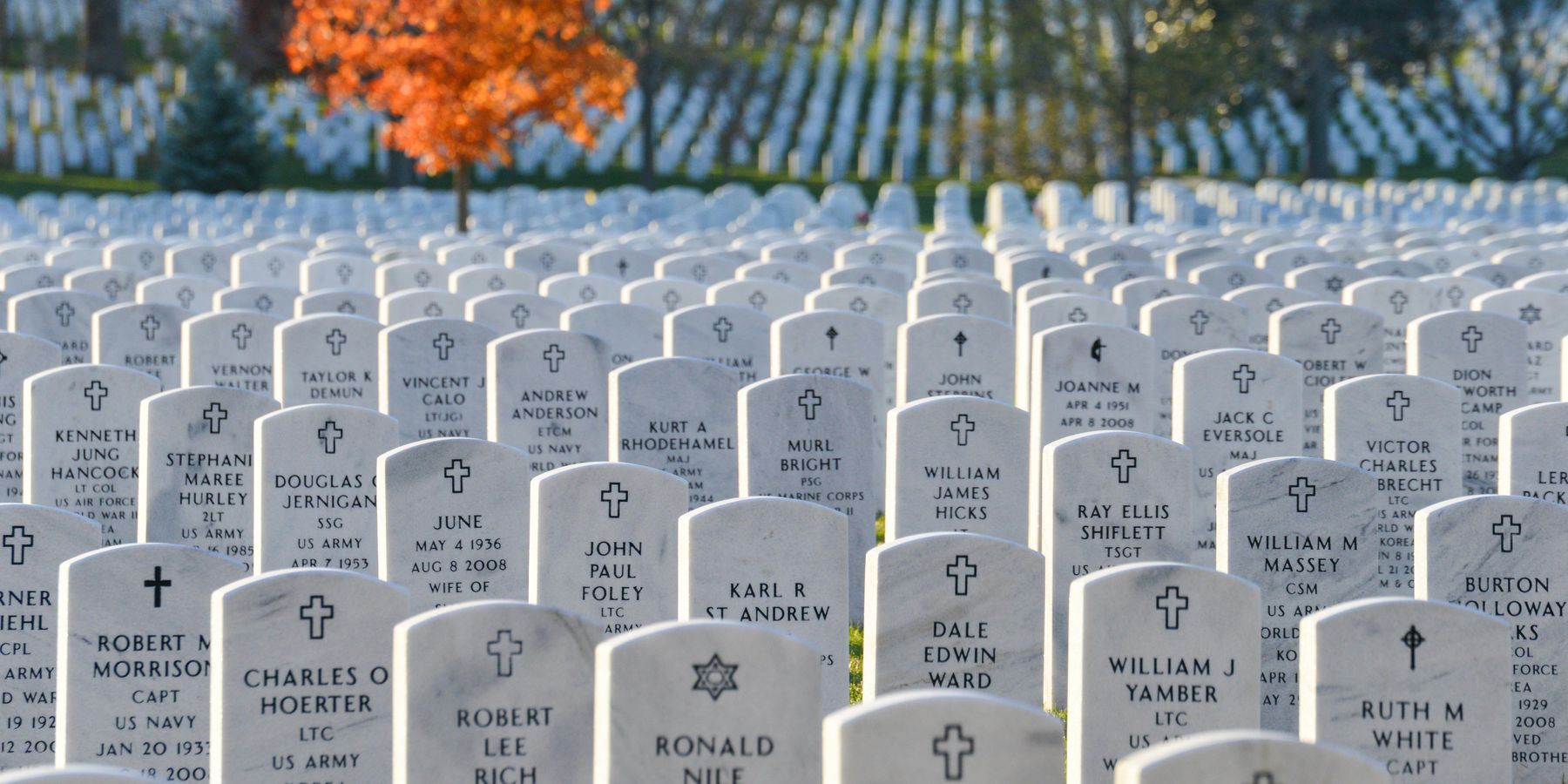
Most consequentially, any military operation comes with the knowledge that American servicemembers will be put into harm’s way, at risk of injury or death. We owe it to our servicemembers to send them into harm’s way only when vital American interests and security are at stake. Striking down the government of Venezuela, ostensibly for its leader’s ties to drug dealers, does not meet these most important conditions.
In addition to the dangers of a regime change war in Venezuela, there is also the inconvenient fact that no president has the authority to unilaterally launch wars as he sees fit. Our founders had the foresight to recognize that the executive is the branch most prone to seek war. They therefore made clear in the Constitution that Congress maintains the exclusive power to declare war. The War First swamp will try to muddy the waters as to whether they have authority to act against Venezuela, but to be clear: “limited airstrikes” against targets in Venezuela are still an act of war, and a closed-door briefing with Congress will not satisfy the Constitution’s requirement for congressional approval.
Part of President Trump’s broad appeal was his strong contempt for the neocons on the right and the liberal internationalists on the left who are always looking for the next war for someone else’s children to fight. He rightfully criticized those in Washington who supported nation building fantasies throughout the Middle East. His criticism of our failed occupations was correct, his peace agenda was affirmed by the American people, and he should not let his pursuit of peace be derailed by the Washington swamp’s War First agenda.
It is time for the first branch of government to put America First. Congress should, and must, have final say whether to pursue a war of choice against Venezuela. The president has been applying pressure, but the decision to wage war absolutely belongs to Congress.
For its part, Congress should stand by the principles of restraint, as embodied by President Trump’s peace agenda and his promises to the American people. Congress must stand firm in protecting the American people from another of Washington’s dangerous and unpredictable regime change wars.
War is a last resort, not a first move in some global chess game. The world has a tricky way of working differently than imagined in a conference room deep in the Washington swamp. People die in wars. Civilians are displaced or killed. Any number of unforeseen scenarios could play out. We should not pursue these policies casually, and Congress must fulfill its role in preventing a rush to war.
- Is Rubio finally powerful enough to topple Venezuela's regime? ›
- Invading Panama and deposing Noriega in 1989 was easy, right? ›
- Rand Paul to Trump: Don't 'abandon' MAGA over Maduro regime change ›