

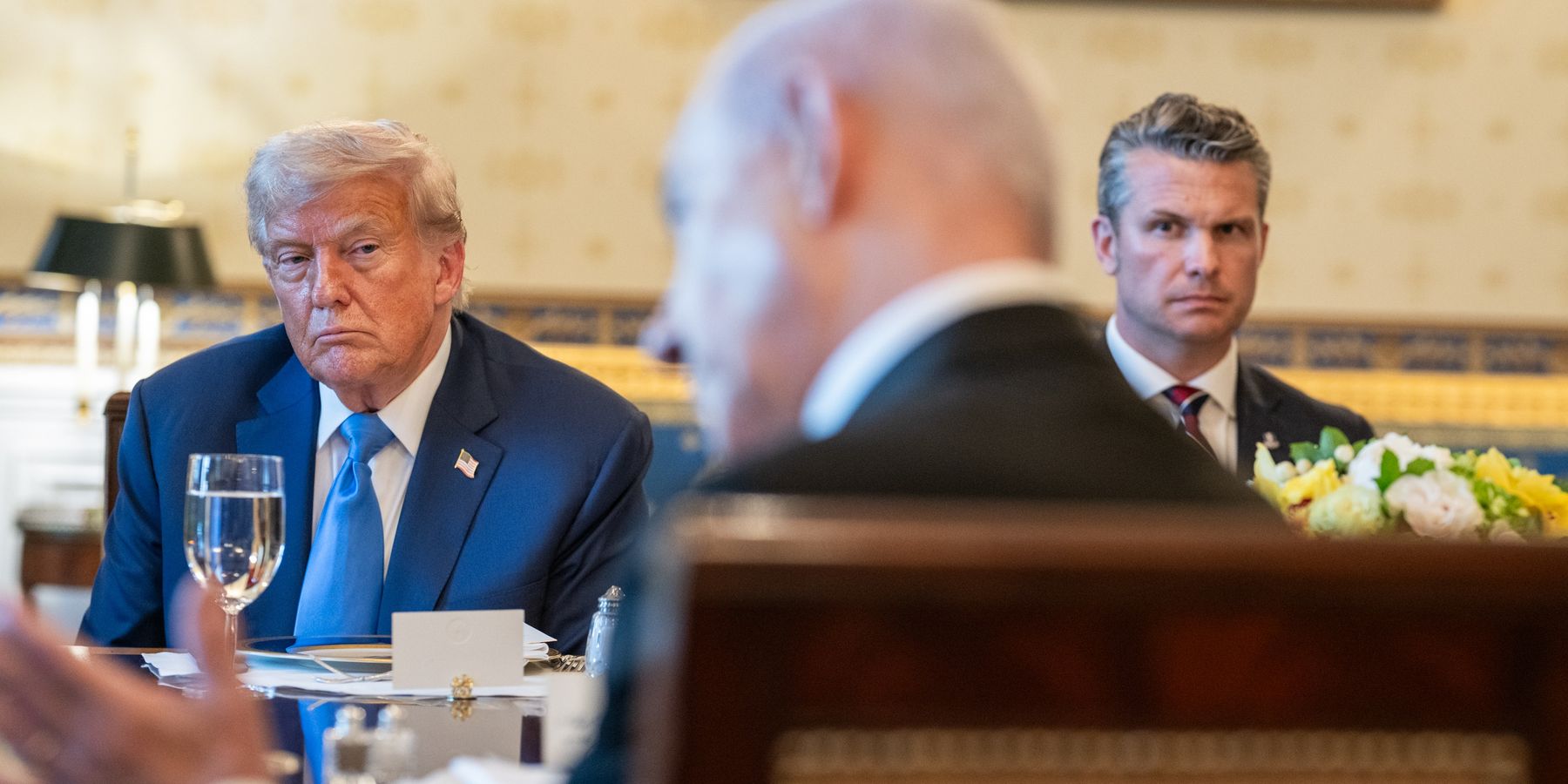
NBC News reports that Netanyahu’s key ask in his upcoming Dec 29 meeting with Trump is to convince the US to join Israel in restarting war with Iran.
As I wrote in August in FP, Israel was poised to resume the conflict since it didn’t achieve its key objectives during its first attack. The significant impact of Iran’s missile strikes compelled Israel to seek a ceasefire after only nine days—a stark contrast to the months and even years it previously took to pressure Israel into ceasefires with Hamas and Hezbollah.
The June war resulted in mutual deterrence, a situation Iran can accept, but one that is intolerable for Netanyahu and his legacy. Ultimately, the conflict was neither a victory for Israel nor for Iran.
It is precisely this balance of terror that prompts Israel to seek a new round - Israel’s military doctrine does not allow for any of its regional foes to deter it or challenge its military dominance. Iran’s missile program currently does exactly that.
According to NBC News, Israel’s messaging is no longer focused on the nuclear program but rather on Iran’s ballistic missile program.
And this is precisely why Trump must say no to Netanyahu. Because Israel’s objective is not security in the conventional sense, but rather absolute dominance. Israel insists on having total security and freedom to maneuver, while denying its neighbors any minimum level of certainty and forcing the region into a state of complete insecurity.
Consider the case of Lebanon. U.S. policy aims to build up the Lebanese Armed Forces (LAF) to a level where they can disarm Hezbollah, yet deliberately prevents the LAF from reaching a capacity that could allow Lebanon to defend itself or deter against Israeli aggression. This policy is maintained even as Israel engages in daily bombings of Lebanon.
Consequently, Israel’s demands on the US will be unending. After the nuclear program was bombed, the focus—and the demands on America—shifted to Iran’s missile program. If that program is destroyed, which is a major “if,” the attention will then shift to some other Iranian capability.
Don’t be surprised if the New York Times at some point runs an affirmative story on how kitchen knives in Iran are seen as an existential threat by the Israeli security establishment. Panic-stricken pundits on mainstream networks will then inevitably pose the question: “Will America tolerate Iran operating secret cutlery factories?”
Israel’s military doctrine demands endless war. Not to achieve security, but to exercise dominance.
Yet, Israel cannot sustain any of these wars without endless support from the US. American taxpayers covered $21.7bn of Israel’s military budget in 2024. In June of this year, the US consumed (wasted?) 25% of its THAAD missile interceptors to defend Israel in an unnecessary war that Netanyahu had chosen to start.
Israel is free to choose its own security doctrine. But the President of the United States, particularly one who professes America First, cannot sacrifice America’s national security and the well-being of the American people for the sake of megalomaniac Israeli dreams of a “Greater Israel” empire.
Particularly since Trump's National Security Strategy de-emphasized the importance of the Middle East, noting that “America’s historic reason for focusing on the Middle East will recede.”
Trump acquiesced to Israel’s demand to bomb the nuclear site, and now, six months later, Netanyahu is back with war plans against Iranian missiles. If Trump caves to Netanyahu once more, the Israeli Prime Minister will be back in another six months with another war plan for Americans to give their blood and tax dollars to.
This will go on endlessly until Trump decides to end it.
He should end it on December 29.
This was republished with permission from Trita Parsi's Substack newsletter
- Gaza ceasefire hanging by a thread ›
- Israel shredding Gaza ceasefire while US distracted by Ukraine ›
- Four major dynamics in Gaza War that will impact 2026 | Responsible Statecraft ›
- Did Netanyahu just ask Trump for another war — and get it? ›
- Trump hasn't bombed Iran yet. He must be reading these polls. | Responsible Statecraft ›