

Over the past week, the U.S. resumed heavy airstrikes on Iran, hitting over 300 targets in the first three nights alone, according to U.S. Central Command. The strikes killed more than 30 civilians and wounded more than 260, according to Iran's Health Ministry. This U.S. bombing campaign came amid ongoing peace talks between Iran and the U.S. and while Iran held cross-border funeral processions for the late Ayatollah Ali Khamenei.
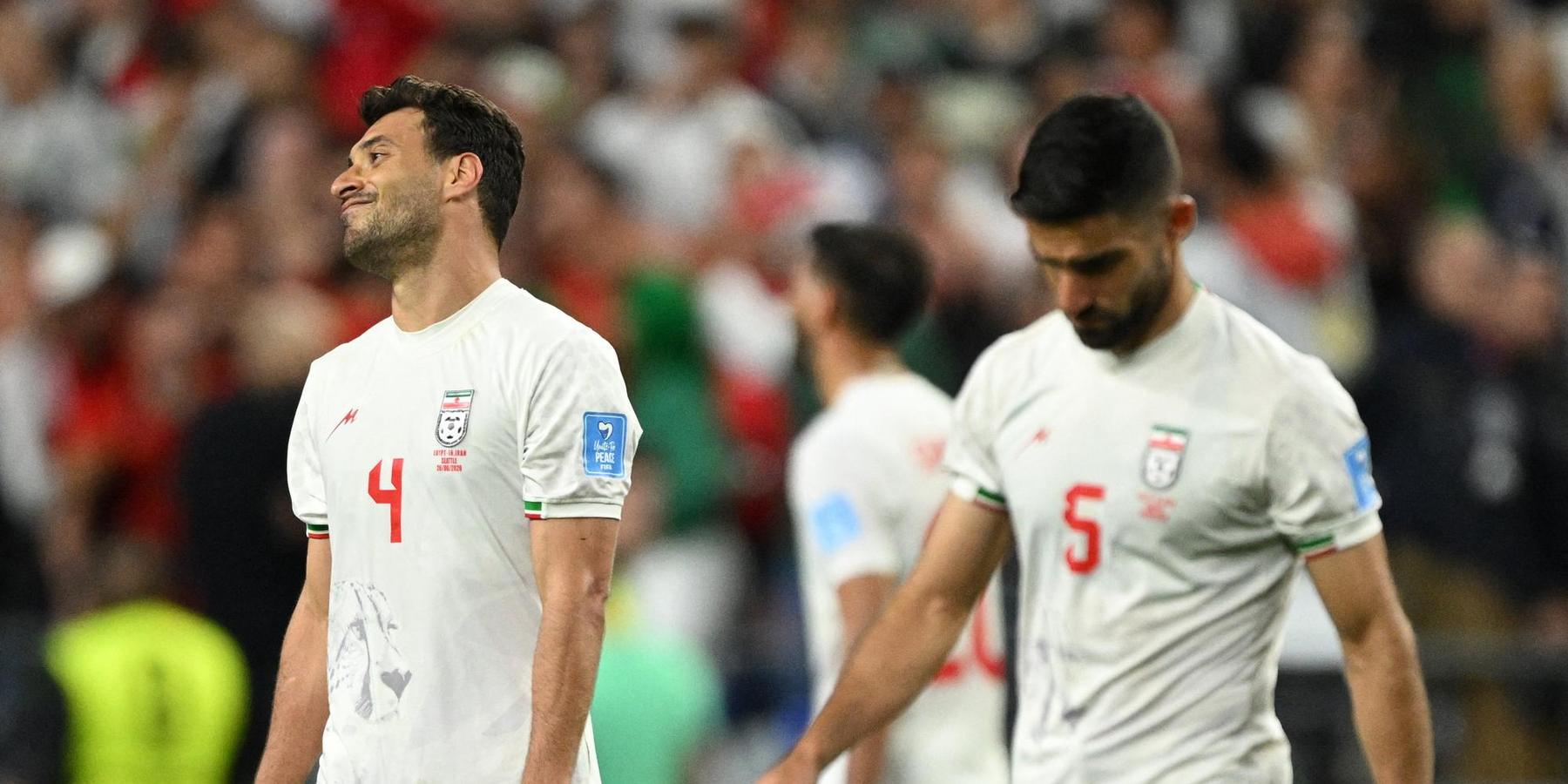
At the NATO summit in Ankara on July 8, President Trump declared the ceasefire with Iran "over." He called Iranian officials "scum," "sick" and "vicious, violent people." Such insults against Iranians are not new. Weeks earlier, this aggressive rhetoric and the renewed bombing campaign were foreshadowed by the U.S. and FIFA’s mistreatment of the Iranian football team. I witnessed the rehearsal firsthand.
The opening act came well before the tournament began. U.S. officials accused the Iranian national team of attempting to smuggle Islamic Revolutionary Guard Corps operatives and barred at least eleven members of the delegation from entering the United States.
Iran's football federation condemned the claims as "false, fabricated, and lacking any credibility." However, the accusations played their part. By casting the Iranian football team’s attendance at the World Cup as an infiltration risk, the U.S. could frame every discriminatory action it took as a necessary safety measure.
With the premise set, the restrictions followed. The Trump administration would not allow the team to camp on U.S. soil, despite all their matches being in the United States. They were only permitted to be in the U.S. during narrow windows of time to play their matches and forced to leave immediately after. As a World Cup host, the U.S. did not extend hospitality, only hostility.
I had a front-row seat with the Iranian national football delegation during their World Cup stay — at their matches in Los Angeles and Seattle, in the Seattle hotel we shared, and at their base camp in Tijuana, Mexico, to which I traveled twice. Over days of conversations, members of the delegation came to know me. I had not set out to write about them. That came once I heard what the tournament had been like for them from the inside.
At the airport on the way to and from all three of their matches, captain Mehdi Taremi and assistant coach Saeed Alhoei were held for nearly 30 minutes and questioned. The constant detainments, security, and immigration checks made the 127 mile flight from Tijuana to Los Angeles — normally a short hop — take nearly five hours. The team, initially promised they could stay the night in Seattle given their 8 p.m. match, received an email from FIFA three days before their game saying that they were no longer permitted to stay and would have to leave immediately after the match.
Driving back to my hotel at 1:30 a.m. that night — the same one the team had been booked into — I was startled to see their distinctive royal-blue bus on the highway: not parked for the night, but moving. After the post-game press conference, anti-doping testing, airport fingerprinting, and flight, they arrived back at their hotel in Tijuana at 4:40 a.m., only to eat a post-game meal near sunrise.
By refusing them hospitality, the U.S. effectively deprived Iran's World Cup team of time to sleep and eat, even on a match day. Iran was never offered fair play or an equal chance.
Iran's Alireza Jahanbakhsh put the team's ask plainly: "To be honest, we don't ask for much. We just ask for the same procedure for all the other 47 teams." The answer came from the head of the White House's World Cup task force, Andrew Giuliani, who told ABC News the players should thank the U.S. for "our hospitality." After Iran was eliminated came the curtain call. The Secretary of Homeland Security Markwayne Mullin told reporters at a World Cup security briefing that he was "so happy," that his department had "pulled their visas," and that he "might've sung a song or two or maybe even danced a happy dance.”
On the same day Iran played its final match, the U.S. was bombing Iran. The players took the field while their own country was under American fire. When the players emerged from the plane in Tijuana, Mexico, at the start of the tournament, they were wearing pins reading “168” — a reminder to the world of the 168 Iranians, mostly children, who were killed on February 28, the opening day of the U.S.–Israeli war on Iran, at an all-girls' school in Minab.
The treatment of Iran’s football team underscored the way wars are marketed to the public. Manufacturing an enemy and treating their people as a mortal danger is not realism, and does not bring security. Demonization and threat inflation are expensive habits. They foreclose possible avenues for pragmatic, effective diplomacy, and narrow the script until war looks like the only option. Even now, with no shortage of diplomats and mediators, Washington is attempting to bomb its way into negotiations. Trump said the strikes would "continue until I say it's enough," and threatened to bomb Iran's bridges and power plants "next week" unless Tehran returns to the negotiating table.
The tactics used to promote the latest war on Iran, applied routinely, are a major reason Washington continues to talk itself into unwinnable and costly wars that the American people do not need. That fatal reflex didn't end with the tournament. The World Cup was the rehearsal; bombing Iran is the show.
- Iran war marks the end of American primacy as we know it ›
- More Iran war? There goes the neighborhood, and global economy. ›