

The largest pro-Israel group in the U.S., the American Israel Public Affairs Committee (AIPAC), has been silent on social media since Tuesday afternoon, well before polls closed across the country and Democrats won both chambers of Congress in a blue wave, largely driven by dissatisfaction over rising costs sparked by the war in Iran.
The group was an early supporter of the war and a major funder of ads attacking House and Senate candidates calling to cut off aid to Israel. It spent big on the 2026 midterm elections, dumping $84.1 million via its super PAC, United Democracy Project (UDP), and several other PACs into races that have been decided as of this writing.
AIPAC might be silent today because they need to explain to their donors how nearly-two-thirds, or $55.3 million, of that spending went to races in which the group’s preferred candidate lost. A failure to achieve the desired results from two-thirds of its political spending will be a tough reality to present to donors, especially when AIPAC repeatedly claims that “being pro-Israel is good policy and good politics.”
AIPAC’s failures to deliver results for its donors stands in sharp contrast with the 2022 midterm election, in which 69% of UDP’s expenditures went to races where it got its preferred result, and 2024, in which 87% of its spending went to races where the group notched wins.
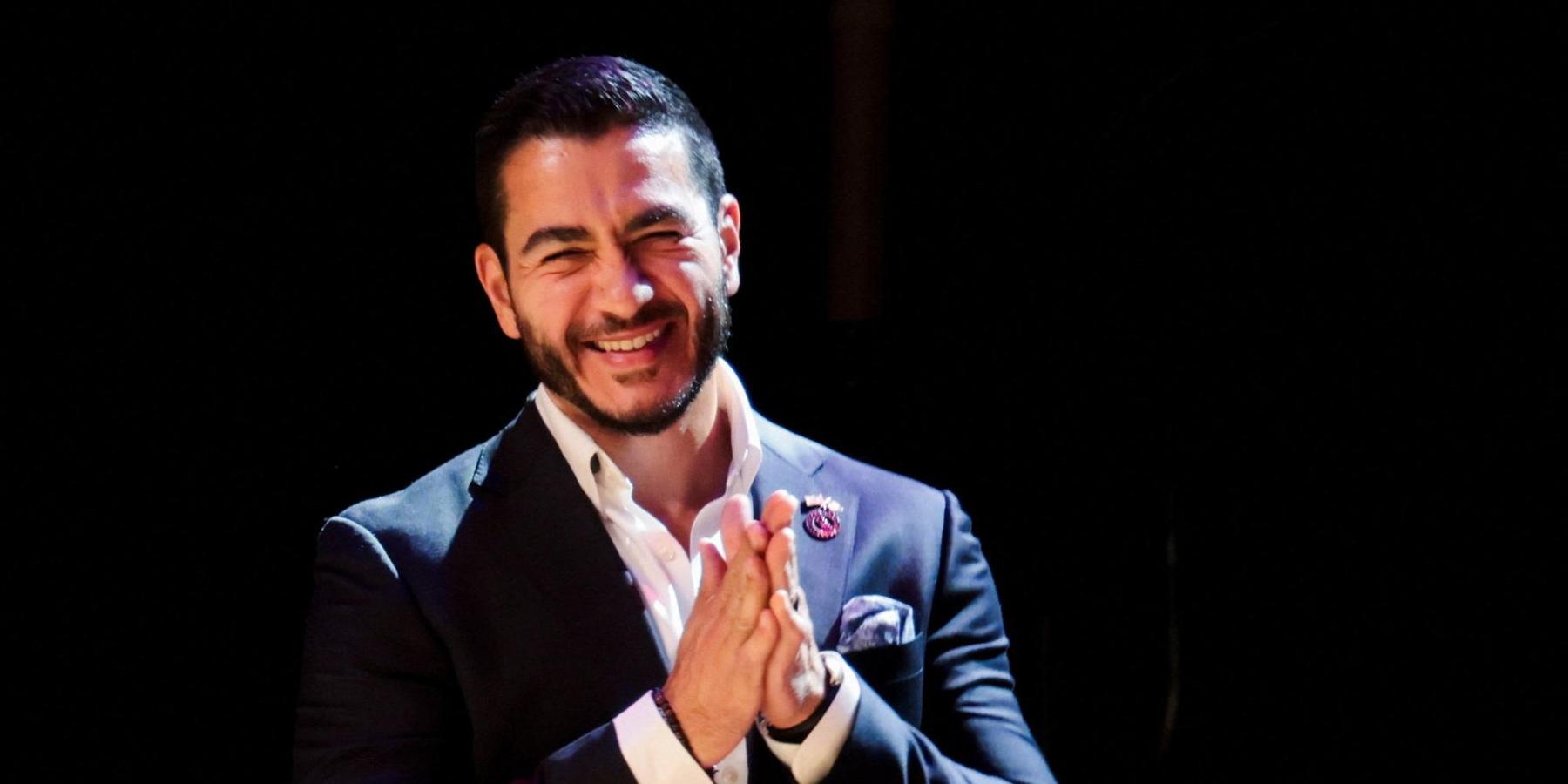
UDP’s two biggest races were massive losses for the group and its donors, eating up $37.78 million in spending. In Michigan, UDP spent $31.47 million in a failed effort to prevent Democratic Senator-elect Abdul El-Sayed’s primary and general election victories.
The next biggest spending target was an effort to prevent Daniel Biss’s primary victory over Laura Fine in Illinois’s 9th congressional district. UDP ultimately spent $6.31 million in the failed effort.
The largest successful investment by the group came in Maryland’s 5th congressional district, where the group scored a win with $5.73 million in support of Adrian Boafo in the Democratic primary.
UDP also incurred costly losses in Illinois’s 7th congressional district, where the group spent $5.03 million, most of it dedicated to boosting the candidacy of Melissa Conyears-Ervin in a failed primary bid; it also lost $4.92 million in an unsuccessful effort to support Melissa Hernandez and oppose Aisha Wahab in the August 18 special election runoff in California’s 14th congressional district.
AIPAC’s silence in the wake of these stinging losses represents a challenge for their fundraising as well as for the future of pro-Israel influence in elections. Vice President JD Vance laid blame for Republican midterm losses squarely at the feet of cheerleaders for the Iran war and those seeking a continuation of a status-quo U.S.-Israel relationship.
In a Wednesday morning tweet, Vance reported that a prominent pollster told him that “a lot of Trump 2024 voters were angry and planning to vote for Democrats.”
He asked those voters who had abandoned us what would cause them to come back on our team. The top four answers, accounting for nearly all of the responses were:
1) End the war
2) Focus on cost of living/inflation
3) Put America First
4) Change our relationship to Israel
Vance went a step further, acknowledging, “The reason we lost is the war. The president himself said so last night.”
AIPAC, one of the first groups to commend Trump’s initiation of the war on February 28, now faces the challenging task of soliciting their donors for more funds to back pro-Israel candidates in 2028 even while the group’s core issues — maintaining unconditional U.S. support for Israel even as it pursues deeply unpopular wars in Gaza and Iran — emerged as toxic for Republicans, who suffered a devastating midterm loss.
- Pro-Israel GOP donors fueling Rep. Stevens' Dem primary in Michigan ›
- Stevens' heel turn was entirely in line with her pro-Israel backers ›
- Israel's Lobby: More powerful and more unpopular than ever ›