

Along Ukraine’s eastern frontline, the question is not if Russia will gain full control of Pokrovsk, a key location on Ukraine’s “fortress belt,” but when.
The city’s collapse will be a strategic loss for Ukraine and a tactical win for Russia, but it won’t bring an end to the war closer. This is because none of the key stakeholders is ready to stop fighting. Worse, the coming months could be the war’s most dangerous, with desperation creeping into Kyiv’s upper ranks and nuclear saber-rattling from the United States and Russia on the rise.
For the Trump administration, this is bad news. The slim window of opportunity it had for simply walking away from Ukraine, no strings attached, has closed and now bilateral diplomacy with Russia is stalled. Though President Donald Trump insists that this is still “Biden’s war,” almost a year into his term, he will certainly own the consequences of the conflict’s eventual end — good or bad.
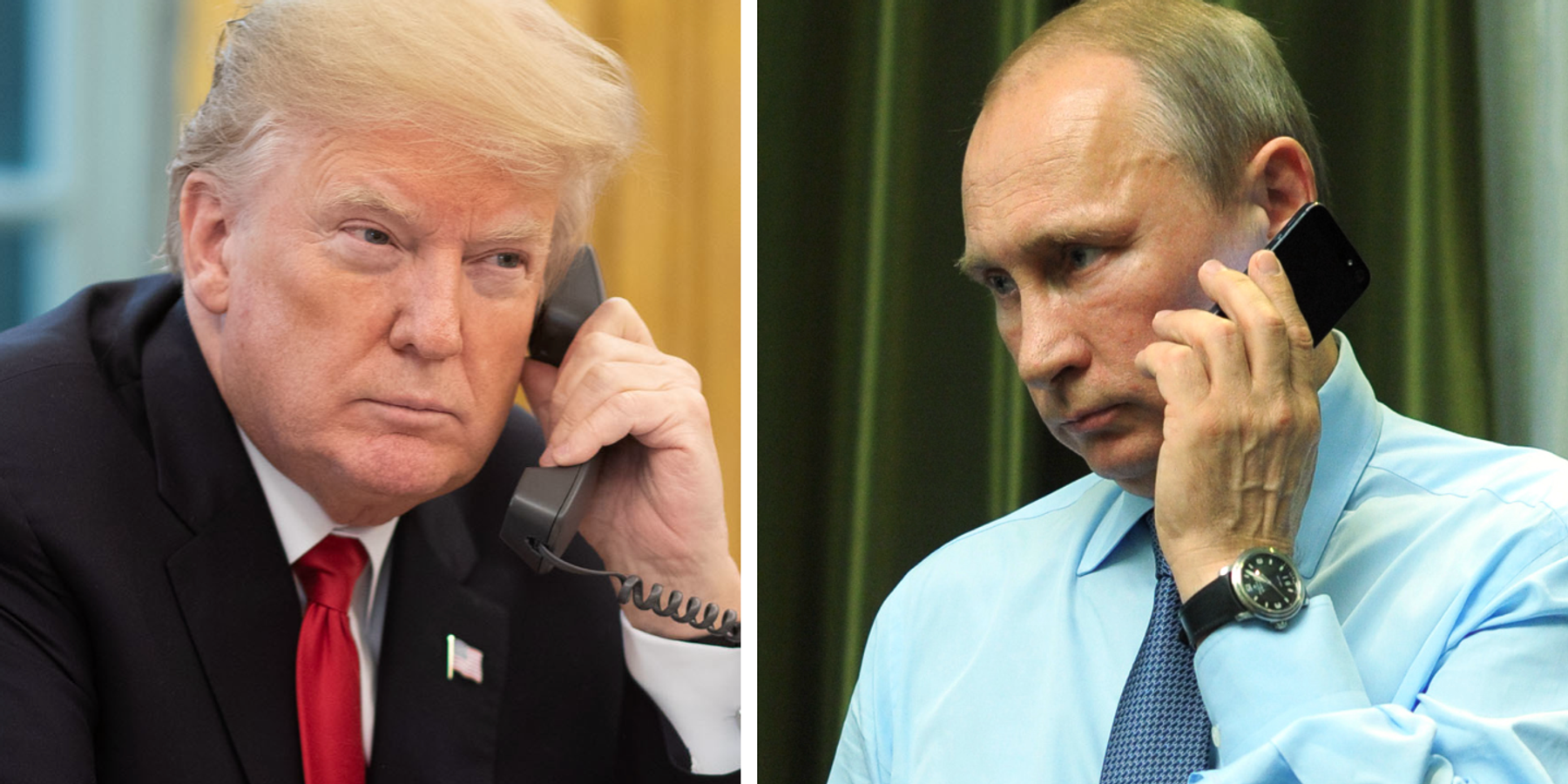
Washington will need a new strategy, however, if it hopes to salvage its efforts to achieve peace. The starting point for this new strategy must be an acceptance that there is no amount of pressure that will drive Russian President Vladimir Putin to stop the war before he has minimally achieved his objectives. Instead, President Trump’s best shot at reaching a deal would leverage his strongest card: the fact that Putin needs U.S. involvement to achieve his political objectives and cares so much more about the details of a settlement than the U.S. president.
In many ways, the battle for Pokrovsk has become a microcosm of the war itself and the difficulty of resolving the nearly four-year old conflict. Despite the fighting’s toll, neither side seems prepared to lay down its weapons, but their reasons could not be more different.
Moscow’s unwillingness to back down is a sign of resolve and a reminder that Russia is largely impervious to Western-imposed and battlefield costs. Believing that he has the military advantage, Putin has responded to Trump’s calls for peace with escalation, pressing forward where Ukraine’s defenses appear on the verge of collapse. The losses from this strategy are high but sustainable and acceptable given the stakes of the war’s outcome for Putin and his regime.
On the other hand Kyiv’s stubbornness is a sign of weakness, not strength. Ukraine’s leaders recognize that the country needs a ceasefire, but fear what comes after accepting it.
In the eyes of many Ukrainians, any peace deal achieved with Russia now will be temporary. Rightly or wrongly, they believe that Putin will not be satisfied until Russia controls all of Ukraine. Today’s choice is not, therefore, between peace and more war, but between fighting Russia now and fighting Russia later. Facing this dilemma, Kyiv has chosen a slow battlefield loss over a quick capitulation. This is an understandable but dangerous strategy, however, that places the country’s survival on a knife edge.
Moscow and Kyiv are not the only ones willing to let the war drag on. Across Europe, there is little appetite for a rapid end to the conflict in Ukraine despite performative calls for an unconditional ceasefire. Europe’s entreaties to keep Ukraine in the fight may be cloaked in the language of justice and fairness, but they are driven just as much by pragmatism as they are by values.
First, a longer war buys Europe time for its own military build-up. As long as Russia is fighting in Ukraine, its ability to threaten NATO territory is limited. But after the war ends, many in Europe believe Russia will reconstitute its military and turn its attentions further west. Second, Europe’s leaders know that once weapons in Ukraine fall silent, they will have to figure out how to make good on their post-war promises to fund Ukraine’s reconstruction and institutionalize its ties to Europe.
In Washington, Trump genuinely wants to “stop the killing.” But there is little urgency within his administration to work vigorously toward this end. Having offloaded most of the costs and the responsibility for arming Ukraine on to Europe, the Trump administration has cauterized the war as a political and financial concern and seems largely content to wait. Sometimes “you have to let them fight,” Trump said recently.
This “wait and see” strategy has its downsides. Two nightmare scenarios are possible: Ukraine’s collapse, or escalation that pulls the United States deeper into the war.
It is hard to predict how much longer Ukraine’s military forces can hang on. It could be months or a year, or it could be a matter of weeks. If Ukraine’s defenses do crumble, Washington will have to choose between three bad options: increasing support and therefore costs to the United States, walking away and letting Kyiv fall, or forcing Ukraine into an unfavorable deal.
The chance for precipitous escalation also cannot be written off. Kyiv’s only real theory of victory at this point is to widen the conflict, by dragging in at least parts of Europe and preferably all of NATO into the fighting. As Kyiv grows more desperate and Moscow more brazen, the risks of this entanglement could rise, either due to intentional actions of one of the parties or unintentional miscalculations.
Trump has good reasons to be fed up with failed efforts in Ukraine. But this would be the worst possible time for him to disengage. That said, to jumpstart diplomatic progress a new strategy is needed, one that uses carrots not sticks to change Putin’s calculus.
President Trump’s strongest point of leverage is that he cares much less about the actual terms of an armistice than does his Russian counterpart. For Trump, any outcome that stops the fighting is sufficient. Putin, on the other hand, cares very much about the details and needs U.S. involvement to end the war on favorable terms. Russia can certainly achieve its military goals without U.S. participation, for example by seizing the rest of the Donbas by force. But without U.S. engagement, Putin’s political and economic objectives will remain out of reach, including things like a firm commitment that the NATO alliance will not expand farther eastward and promises of sanctions relief for the Russian economy.
The Trump administration should take advantage of this imbalance, indicating to Moscow that it is willing to negotiate on the bigger political and economic issues of most interest to Putin now, but that this willingness is time limited and waning. Washington should make clear that after some expiration date, it would still help mediate a limited settlement between the two combatants (after the war has run its course), but big political or economic bargains would no longer be on the table and the chance for a comprehensive revision to Europe’s future security architecture would be past.
Confronted with these options, Putin would be forced to tradeoff between his stated goals: the territorial gains of continued war and the political, economic, and status wins that a deal with Washington might bring. He might decide to keep fighting, but he might not. This is at least a proposition worth testing. And if he did persist with this war, he would have to do so with the knowledge that more time on the battlefield might well cost him resolution of his “root causes” and limit the sweetness of any victory.
For the United States, this strategy has a high upside and low risks. It would not commit Washington to specific concessions and would not elevate tensions with Russia. The United States would continue to support Ukraine, but signal to Brussels and Kyiv that it is not interested in expanding or escalating its involvement. Most importantly, by making the final implementation of any bilateral U.S.-Russia political or economic deals conditional on resolution of Ukraine-specific issues, this approach could incentivize real progress toward ending the war.
On both sides of the Atlantic, calls for “more pressure on Moscow” continue. This has been and will continue to be a losing strategy. Trump should dare to try something different.