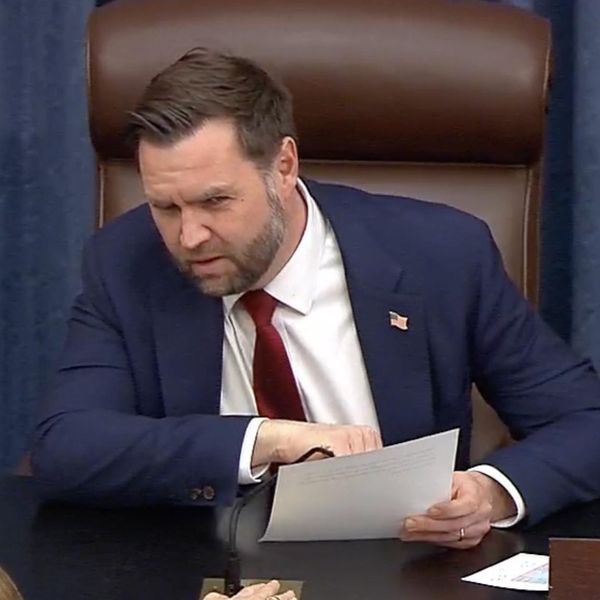
President Trump sacked his national security adviser Mike Waltz because he was working with a foreign leader to push the United States to attack Iran, according to a new report in the Washington Post.
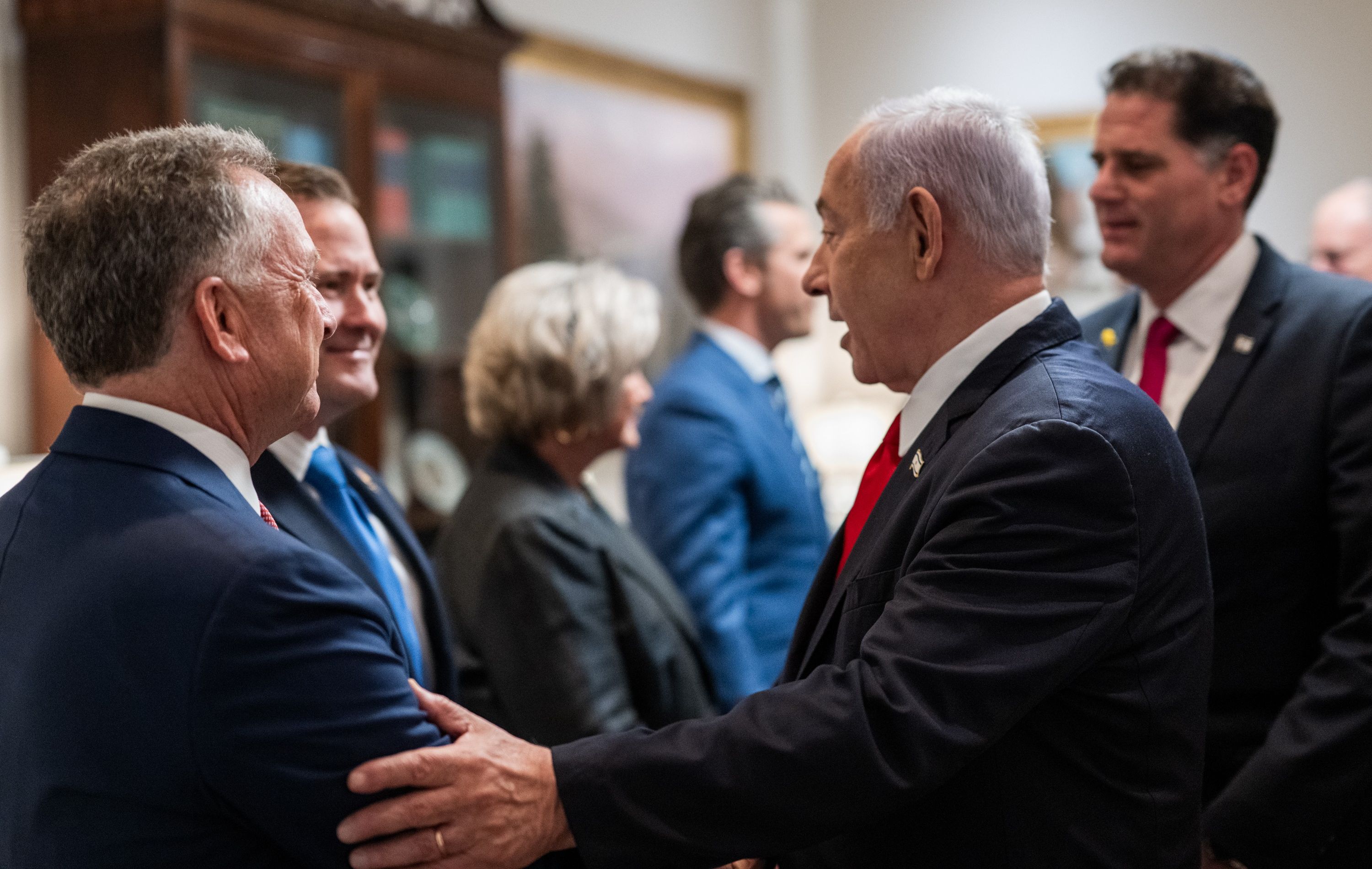
The Post reports that while including a journalist on a Signal chat about plans to attack Yemen’s Houthis sealed Waltz’s fate, Waltz initially “upset” Trump during Israeli Prime Minister Benjamin Netanyahu’s White House visit in February when he “appeared to share the Israeli leader’s conviction that the time was ripe to strike Iran”:
Waltz appeared to have engaged in intense coordination with Netanyahu about military options against Iran ahead of an Oval Office meeting between the Israeli leader and Trump, the two people said.
Waltz “wanted to take U.S. policy in a direction Trump wasn’t comfortable with because the U.S. hadn’t attempted a diplomatic solution,” according to one of the people.
“It got back to Trump and the president wasn’t happy with it,” that person said. [...]
The view by some in the administration was that Waltz was trying to tip the scales in favor of military action and was operating hand in glove with the Israelis.
“If Jim Baker was doing a side deal with the Saudis to subvert George H.W. Bush, you’d be fired,” a Trump adviser said, referring to Bush’s secretary of state. “You can’t do that. You work for the president of your country, not a president of another country.”
Since Trump announced that he would engage in serious negotiations with Iranian leaders to place limits on Iran’s nuclear program, an intense battle is being waged between the president’s more loyal supporters who favor diplomatic engagement with countries like Iran, Russia, and North Korea, and the more traditional wing of the Republican Party and neoconservatives, who don’t want a deal with Iran and are instead pushing for war.
Some of these battles surfaced before talks began, for example during the nominating process, when establishmentarians vigorously opposed more restraint oriented nominees like Tulsi Gabbard and Elbridge Colby. While their nominations ultimately succeeded, Waltz’s ouster is another sign that perhaps the hawks in Washington and their allies abroad may not have the juice they once had in keeping the United States on permanent war footing.
- Former Israeli official leading Israel, Iran desk at the White House ›
- Can Trump wait for a deal with Iran? ›
- The war over war with Iran has just begun ›
- With Iran talks, Trump could achieve a triple win ›
- MAGA influencers want an Iran deal and for hawks to shut up | Responsible Statecraft ›
- Former Israeli official on NSC let go in weekend purge | Responsible Statecraft ›
- How the US could use Iran's uranium enrichment to its own advantage | Responsible Statecraft ›
- Another one bites the dust: Iran hawks disappearing from admin | Responsible Statecraft ›