

As the conflict in the Middle East engulfs more countries, recent media reports alleging that the CIA is planning to arm Kurdish ground troops to spark an uprising in Iran have been met with vehement denials by Iraqi Kurdish officials.
However, while the Trump administration has denied that report, it is engaged in outreach to the various Kurdish groups to enlist their participation in an uprising against the Iranian regime. Meanwhile, after unconfirmed reports that some Kurdish groups were already engaging in cross-border attacks on Wednesday, the Iranians launched airstrikes at what they say are “anti-Iran separatist forces” in the mountains of Western Iran.
This only underscores the concern that in wartime, even unsubstantiated claims can imperil the hard-won stability of Iraq’s northern Kurdistan region, placing it in the crosshairs of a conflict it neither started nor supports. Erbil and Sulaymaniah have already been struck by missiles.
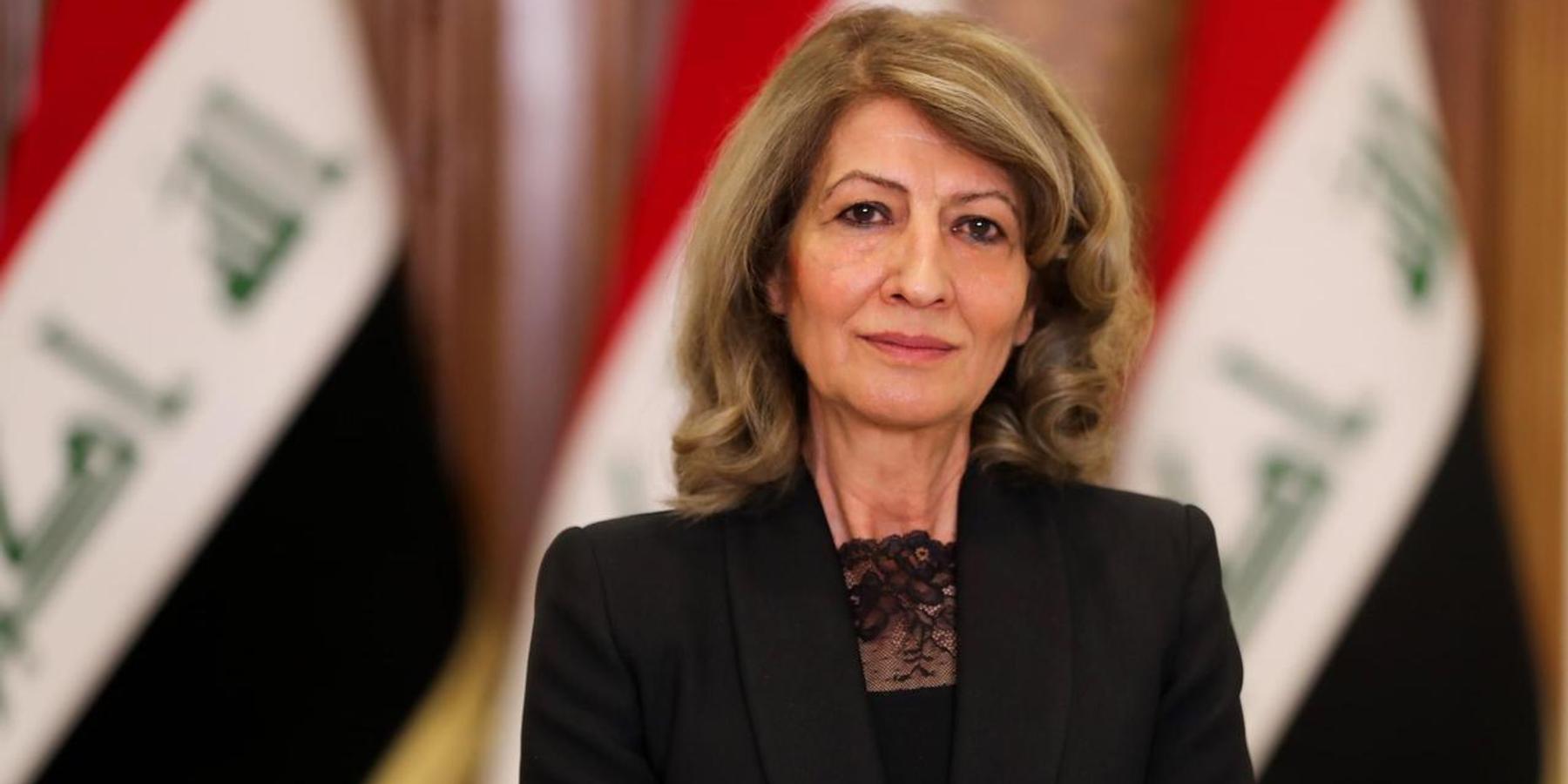
Iraq’s First Lady, Shanaz Ibrahim Ahmed, married to President Abdul Latif Rashid, is well versed in the region’s complicated matrix of interests. She spent decades in opposition during the rule of Saddam Hussein, later joined the Iraqi National Congress, and went on to serve as representative of the Patriotic Union of Kurdistan (PUK) in Europe during the term of Iraq’s first post-war president, Jalal Talabani.
Speaking to Responsible Statecraft on Thursday, Ibrahim Ahmed insists this is not Iraq’s war and that the best thing for Iraq is not to get involved.
“It is not our war, and the Iraqi people should not be placed in danger of another round of destruction. Even now, we are still uncovering mass graves of people who were killed during Saddam Hussein’s regime more than 35 years ago,” she says.
The interview here:
As the war between Iran, Israel and the United States intensifies, how concerned are you about the risk of spillover into Iraq?
Well, I am very much concerned because war is just like fire. It accelerates if it is not controlled, and once it gets out of hand it becomes impossible to stop. Because we have lived through war for many years, we know the trauma that comes afterward. We know the damage and destruction. It takes years and years to rebuild any country, and even longer for human beings who have lived through war. It is not easy to erase the sounds you hear, the cries, the pain and the fear people experience.
Do you believe Iraq is prepared, politically and socially, to withstand another external shock?
Surely not. Iraq has been through a great deal, and people have only recently begun trying to return to normal life, trying to rebuild the country and restore it to where it once was as a functioning state. Mentally, socially and economically, people are not prepared to go through what they have endured before. That is why you can see fear in everyone’s eyes.
There have been reports circulating about Kurdish involvement in the Iran war. How do you respond to these reports, and what is your understanding of the Kurdistan Region’s position in this escalating crisis?
You cannot trust everything you hear. The reality may be one thing, but some media outlets and websites say something entirely different. Considering what the Kurdish people have gone through throughout history and how they have been treated, I do not think you would find any reasonable or sensible Kurd who would allow themselves to be used in such a way.
What effect are these allegations having on the stability and reputation of the Kurdistan Region? Erbil and your hometown Sulaymaniyah have both been hit by missiles. How worried are you that these attacks will inflame tensions within the Kurdish region, Iraq or with neighboring countries?
I am extremely worried. When false reports appear, they put you directly in danger and expose you to anyone who might want to attack the region. As Kurds, we have often said that we know we have no real friends in this world. So this situation is extremely sensitive. These reports are damaging and they affect the daily lives of ordinary people. I do not know whether those who are spreading such reports understand the consequences of what they are doing, but it risks making the Kurds targets once again.
Many people across Iraq fear that the region may be moving toward a full-scale “Great War.” From your vantage point, how real is the danger of a broader regional conflagration, and what steps can Iraqi leaders take now to prevent that outcome?
From what we see and hear, many countries are already involved in what is happening. This creates the impression that the conflict could expand further, because every day we hear that another country has been attacked by one side or the other. They are destroying each other’s countries and demolishing what these societies have built and been proud of.
Even if it does not become a world war, the damage is already enormous. If it does not stop now, it will continue, and more countries may become involved, whether they want to or not.
The best thing for Iraq is not to become involved in this war in any way. It is not our war, and the Iraqi people should not be placed in danger of another round of destruction. Even now, we are still uncovering mass graves of people who were killed during Saddam Hussein’s regime more than 35 years ago.
In times of crisis, misinformation spreads quickly. How damaging do you believe propaganda and unverified reports are to Iraq’s stability?
It is extremely damaging. Even without war, trust between Kurds and Arabs, between other communities in Iraq and trust with neighboring countries, is still fragile. That trust has only just begun to rebuild. False reports create divisions and drive a wedge between communities.
You are First Lady of Iraq, but also a politician in your own right, having played a key role in the exiled Iraqi opposition in the run-up to the 2003 war. At this critical juncture, what message would you send to policymakers? What should they understand about Iraq’s position, the Kurds’ position and what is at stake if tensions continue to rise?
First of all, I am really surprised and shocked because this new American administration said at the very beginning that it would bring peace to the Middle East. That made everyone extremely happy, because people were looking forward to peace and stability in the region. But it did not turn out that way.
So I would ask them: after all this destruction and war, what comes next? What are they thinking? What is their plan? Do they believe that by destroying all these countries they will eventually achieve peace? I do not believe peace can be reached through fire and destruction.
If there is a plan behind this destruction, then explain it. If sacrifice is needed, justify it. If this devastation is meant to secure stability, then demonstrate it to those who are paying the price. Recycled slogans don’t mean anything here anymore when we have endured war after war. What we need is dialogue, not war. Even the American people are tired of war.
Iraq is in a unique position in the region. Longstanding good relations with both Washington and Tehran. In the context of the current crisis, can Baghdad play a mediating role?
It is always possible. Yes, it is possible. And Iraq should be given that chance to mediate. No country wants to be part of destruction. But I believe there are countries that would be willing to take part in reconstruction and in bringing real peace to the region.
Because once the region is in danger or destabilized, it affects everyone. It affects all countries. Therefore, Iraq’s position should be taken more seriously. Its offer to mediate should be treated seriously and considered while it is still on the table.