Alarmed by reports of dissension in the White House on U.S. Iran policy, the director of the Foundation for the Defense of Democracies recently warned that Iran will “exploit these different negotiating positions…as soon as the regime smells desperation.”
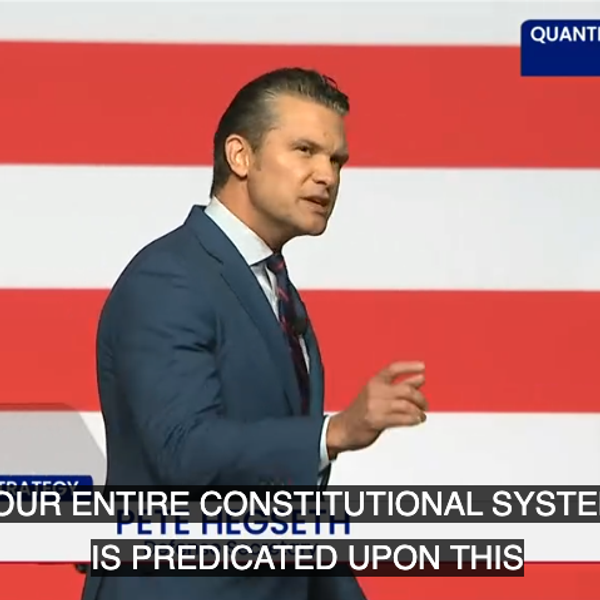
This alert was probably prompted by the White House’s chief negotiating envoy, Steven Witkoff, who stated on Monday, April 14, that “Iran does not need to enrich [uranium] past 3.67 percent,” only to declare on Tuesday that “Iran must…eliminate its nuclear enrichment and weaponization program.” In one day, he went from a position that could offer the basis for a negotiated deal to echoing administration hawks, such as national security adviser Mike Waltz, who insists that the total dismantling of Iran’s nuclear program is the only acceptable goal.
Where is this all going? While making predictions when it comes to Donald Trump is risky, multiple press reports (including from Iran and Israel) suggest that the April 19 indirect talks between the U.S. and Iran in Oman made progress. The same for the latest round in Oman on Saturday, which were described as “hopeful but cautious” by the U.S. side.
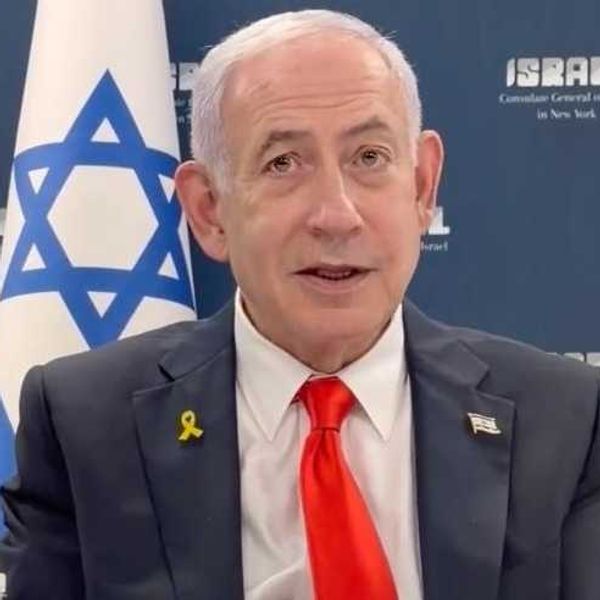
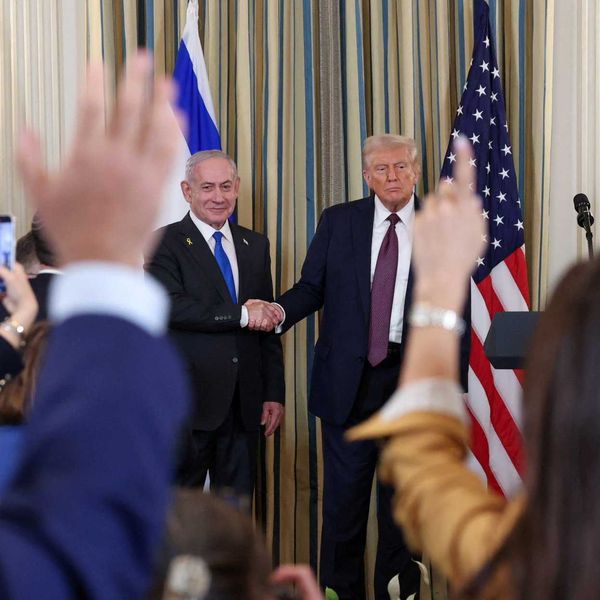
That Trump might push for a deal despite the opposition of his own security adviser, not to mention that of Israeli Prime Minister Benjamin Netanyahu, may suggest how desperate he is for a foreign policy win that poses risks but also possible benefits. The bigger question is where such a deal fits into a wider Middle East strategy, or indeed if such a strategy is even in the offing.
Potential benefits of a deal
Critics will likely charge that Iran will cheat — although Tehran adhered to the 2015 accord — or that the deal doesn’t cover Iran’s missile program given that the talks are singularly focused on nuclear issues. They will also argue that sanctions relief could give Iran an opening to partially revive its badly damaged “axis of resistance” strategy.
Such possible downsides must be weighed against the potential benefits of a new agreement — even for those countries (including Israel and especially the U.S.) that will continue to face a formidable and untrustworthy foe. A deal would undercut Iran’s hardliners while opening more space for reformists. In their efforts over the last year to further entrench their already considerable power in advance of the battle over who will succeed Supreme Leader Ayatollah Ali Khamenei — a struggle that cannot be far off — hardliners have run into obstacles, including an economy in full meltdown and a tricky “no peace/no war” strategy that has been wrecked by the near collapse of the “axis of resistance.”
A revival of the reformists’ fortunes will not, of course, lead to liberal democracy. Still, it could foster a domestic power shift that promotes political decompression at home and wider engagement abroad. And while the March 2 resignation of former Foreign Minister Javad Zarif from his vice presidential post signals the hardliners’ enduring influence, a deal could also help President Masoud Pezeshkian’s reach out to more mainstream conservatives, thus widening his de facto coalition even as he retains the support of the Supreme Leader.
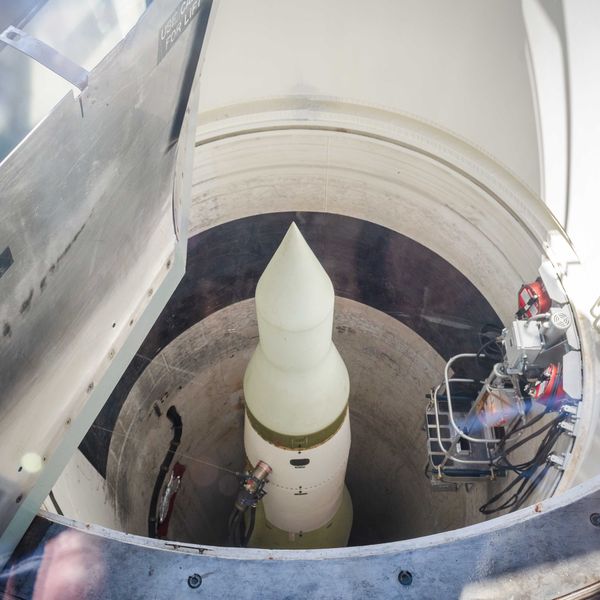
Moreover, a deal might in fact reduce the dangers for Iran that will definitely come with any bid to create an effective nuclear weapons option. Although it has enough enriched uranium for one bomb — and, according to some reports, may have enough for four or five more — there are still complex steps (such as testing) that Iran must take to build a comprehensive system that can provide a “second strike” capacity that would deter an Israeli assault. While estimates vary as to how long this will take, the very effort to move in this direction would provoke a massive attack by the U.S. and Israel. This is the last thing Iranian leaders want.
Indeed, press reports suggest that Israel was preparing to launch such an attack in May but was prevented from doing so by Trump and a handful of security officials. Paradoxically, Iran and the U.S. have been drawn together by their mutual desire to prevent a wider regional war that could have multiple costs. With some 20 percent of oil and gas flowing through the Gulf — and with Trump’s tariff policy wreaking global havoc — a no-deal scenario could propel the U.S., Israel and Iran into a sustained military conflict that would set the stage for an international economic crisis. In short, a deal would give Iran a much-needed assist off a perilous path that its own accelerated enrichment program has helped to create.
Finally, many U.S. military experts have questioned whether any such attack would permanently destroy Iran’s nuclear program. While it would set it back for some years, it could also prompt a decision by Iran to exit the Nuclear Proliferation Treaty (NPT) and rebuild its nuclear program without the constraints of any international system of controls and inspections. Such a development could trigger a conventional and even nuclear arms race with many of its Arab neighbors. This is not something many Iranian hardliners want.
Deal is no substitute for a coherent US strategy
Writing on his Substack page “Clarity,” former Israeli ambassador to the U.S. Michael Oren, recently argued that given the very real possibility that American and “Iranian envoys are negotiating a new nuclear deal,” Israel must “prepare for the worst” by getting “ironclad U.S. security guarantees…that [Israel] will always have the means to defend ourselves against Iranian aggression. We must, for the first time, be permitted to purchase strategic bombers and train our crews to fly them.”
This remarkable statement underscores Israel’s total failure to use its military might to advance a diplomatic regional and global strategy that would have the support of the U.S., Europe and even Russia and China. Israel, as Aaron David Miller and Steven Simon have recently argued, may now be the regional hegemon. But in projecting its military might in Syria, Lebanon, Iran and most of all Gaza, Israel has also advanced the goals of messianic Jewish supremacist parties that want to impose a theocracy at home, permanent occupation over three million Palestinians, and the banishment of some two million hapless souls in Gaza.
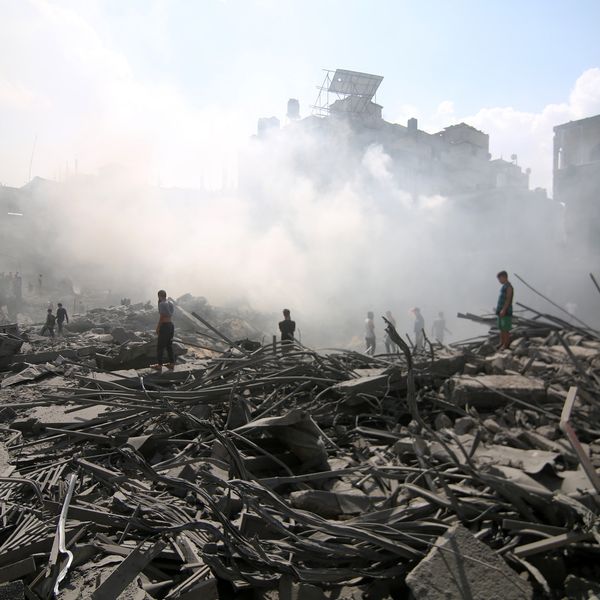
Trump seems ready to embrace this version of Israeli hegemony. But he is unlikely to provide all the weapons that Israel will demand. And yet his resistance to providing the “bunker busting” munitions Israel needs to penetrate Iran’s deepest nuclear facilities does not suggest a wider regional vision. Beyond sustaining the Abraham Accords between Israel and the United Arab Emirates, Bahrain, and Morocco, Trump has no larger plan other than trying to keep the U.S. out of Middle East wars. But as his recent decision to withdraw half of U.S. troops just as ISIS appears to be expanding in Syria suggests, he may have to contend with a region that drifts into chaos in ways that could force him to change course or take military steps that could trigger a wider conflict. As he prepares for a mid-May trip to Saudi Arabia, the Emirates and Qatar, Gulf leaders will not be reassured by his often ad-libbed foreign policy that is abetting what they see as genocide and war crimes in Gaza.
Indeed, while preferable to the black hole of regional war, a nuclear deal is no substitute for a coherent U.S. strategy. These dangers of tactical improvisation were amply displayed by President Joe Biden. But Trump is no less wedded to a clear strategy than his predecessor. On the contrary, what appears to count most for Trump is securing and demonstrating power. Iran’s leaders grasp this fact and thus may be willing to indulge his desire to get at least one “win” to get a deal.
With the third round of negotiations now concluded, it appears that enough progress was made to sustain the talks. There is no doubt that the question of enrichment will be the biggest sticking point. Moreover, opponents of a deal in Israel, Iran and the U.S. will exploit every chance to wreck the talks. Whether the April 26 explosion on the Iranian port of Bandahar was the result of sabotage or a tragic accident, they are a reminder that the very prospect of a wider regional conflict that has galvanized the talks remains a real threat.
- Should human rights derail US-Iran talks? ›
- With Iran talks, Trump could achieve a triple win ›
- 'Zero enrichment' fantasies will lead us to war | Responsible Statecraft ›
- Witkoff's latest 'zero enrichment' red line has zero chance of working | Responsible Statecraft ›