

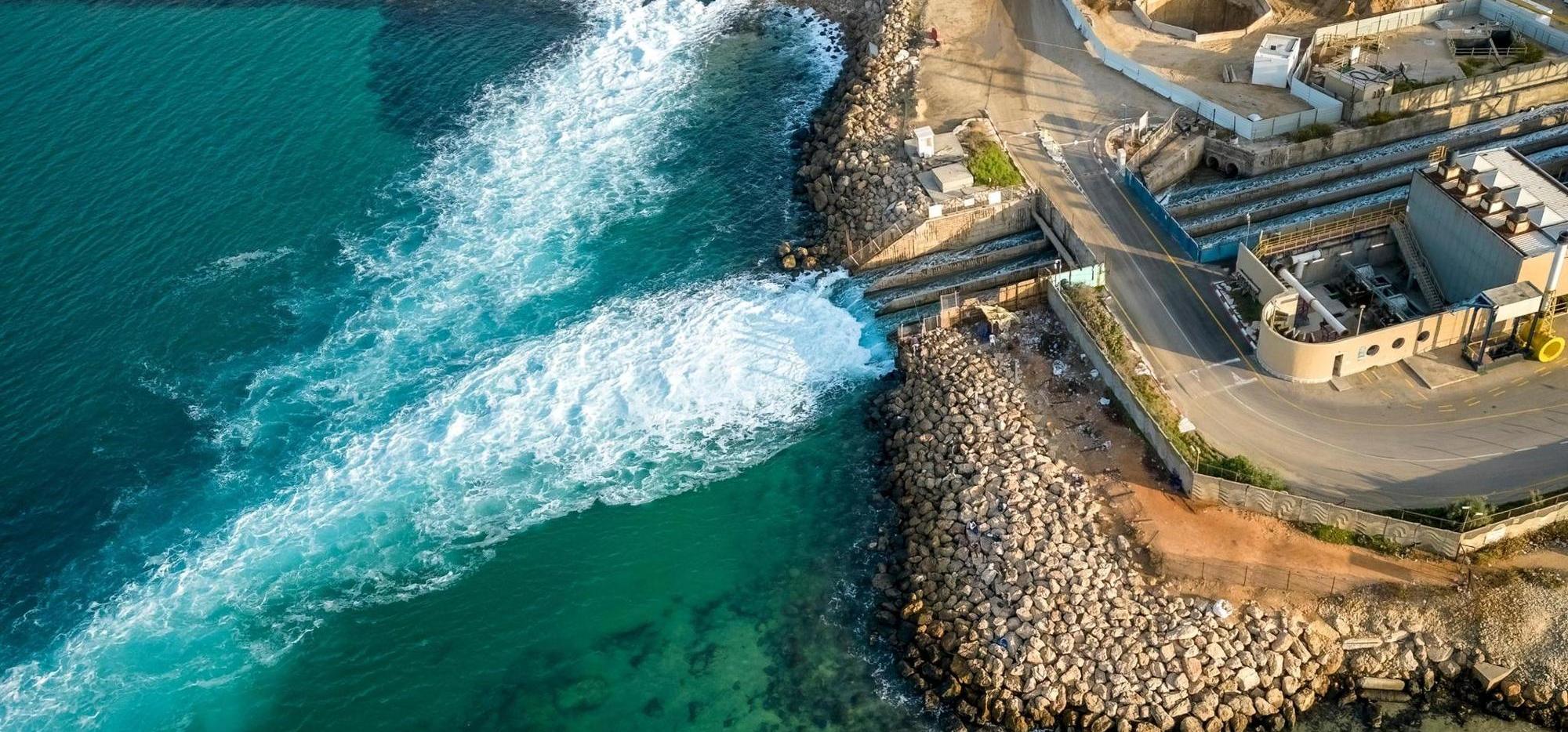
Over the weekend, airstrikes targeted water desalination plants in Iran and Bahrain, threatening a vital life source in one of the most water-scarce regions in the world. Analysts said that this development was not only a “serious escalation” in the Iran war, but also an indication that the conflict could have a wider civilian impact.
Iran’s foreign minister, Abbas Araghchi, called a Saturday attack on a desalination plant on Iran’s Qeshm Island “a dangerous move with grave consequences” on social media and accused the U.S. of setting a precedent. Capt. Tim Hawkins, a spokesman for the U.S. Central Command, has since denied that the U.S. was behind the attack.
One day later, Bahrain’s interior ministry alleged that an Iranian drone caused material damage to a desalination plant in the Persian Gulf island nation, accusing Iran of “indiscriminately” attacking civilian targets. Bahrain’s water and electricity authority said there had been “no impact on water supplies or water network capacity.”
While there has been no immediate response from Iran about Bahrain’s allegation, Iranian officials have stated that their attacks on close U.S. allies in the Gulf are a direct response to the American-Israeli attacks in Iran. They have also stated that the attacks are aimed at American military bases and U.S. soldiers, not civilians.
It was not immediately clear whether either plant was still functioning. Political experts have long warned about the plants’ vulnerability as military targets.
Desalination plants are used to convert seawater into water for drinking, irrigation and industrial purposes. In an area where potable water is scarce, the plants have become vital to life in the Gulf region.
According to a 2020 report by the Gulf Research Center, groundwater, with desalinated water, accounts for around 90% of the region’s main water resources. And with groundwater fast deteriorating due to climate change, Gulf countries have come to rely more heavily on desalinated water.
About 42% of the UAE’s drinking water comes from desalination plants, compared to 90% in Kuwait, 86% in Oman, 70% in Saudi Arabia and about 80% in Israel.
If the attacks on desalination plants in Gulf countries continue, the situation could very quickly devolve into a “massive humanitarian catastrophe for the people living in the Gulf,” according to Annelle Sheline, a research fellow in the Quincy Institute’s Middle East Program.
These attacks come after a leaked 2008 diplomatic cable sent from the U.S. Embassy in Riyadh warned that the Saudi capital relied on a singular desalination plant for more than 90% of its drinking water. Since then, the Saudi government has expanded their water storage, however, the region’s cities have also continued to grow, placing an undue burden on the water ecosystems that support them.
With this in mind, water desalination plants in the region remain essential for the region and represent a vulnerable military target. Sheline said she wouldn’t be surprised if more facilities were attacked in the future, despite international humanitarian law prohibiting the targeting of civilian infrastructure that is crucial to the survival of the population, which includes drinking water plants.
“Laws of war dictate that a military target is a legitimate target, and a civilian target is not legitimate. Targeting, whether it's oil infrastructure or water infrastructure, those are war crimes and violations of international law,” Sheline told RS.
These attacks could mark a major turning point in the war, escalating existing tensions and indicating a new willingness to harm civilians in an already deadly conflict.
- Why Arab states are terrified of US war with Iran ›
- What if today's Iran is resigned to a long, hellish war with the US? ›