

Global Crises
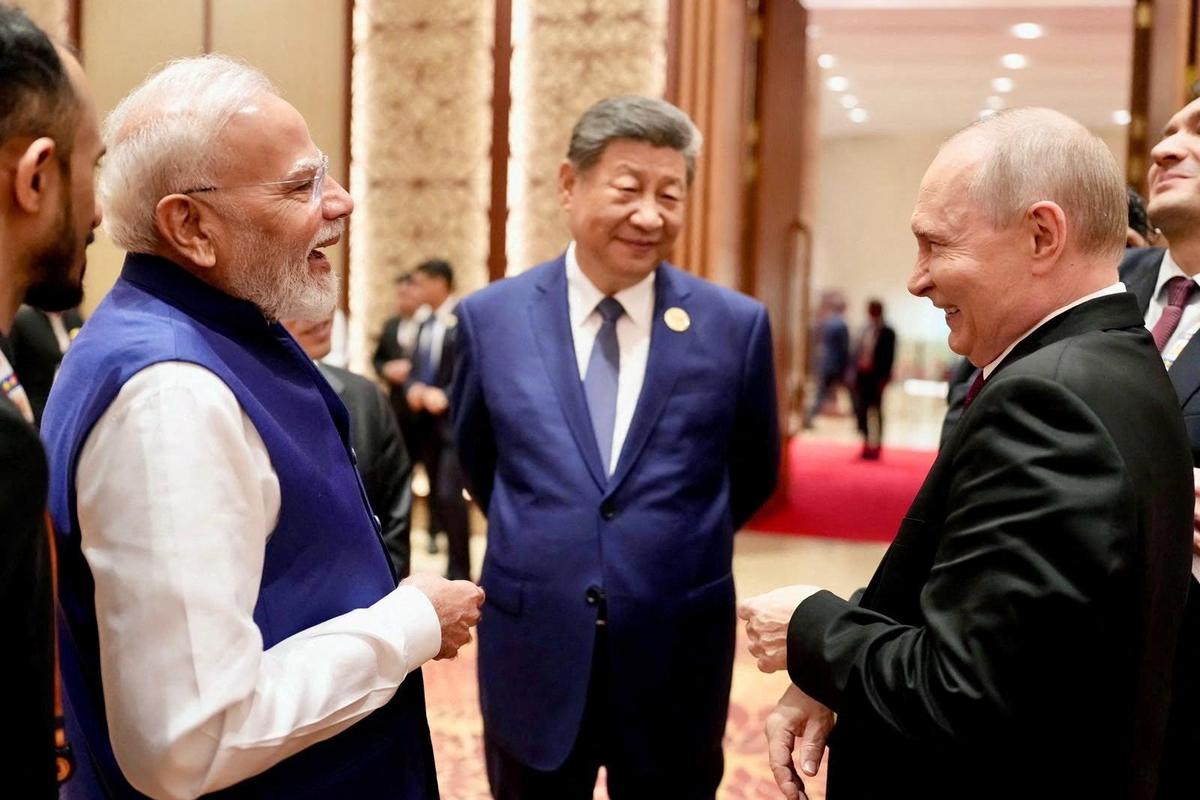
Against the odds, BRICS overcomes sharp divisions in New Delhi
India notched a diplomatic win by simply securing a joint declaration from the bloc amid war in the Middle East
September 13, 2026
India notched a diplomatic win by simply securing a joint declaration from the bloc amid war in the Middle East

The secretary of state met with officials from both countries after a fight in the South China Sea
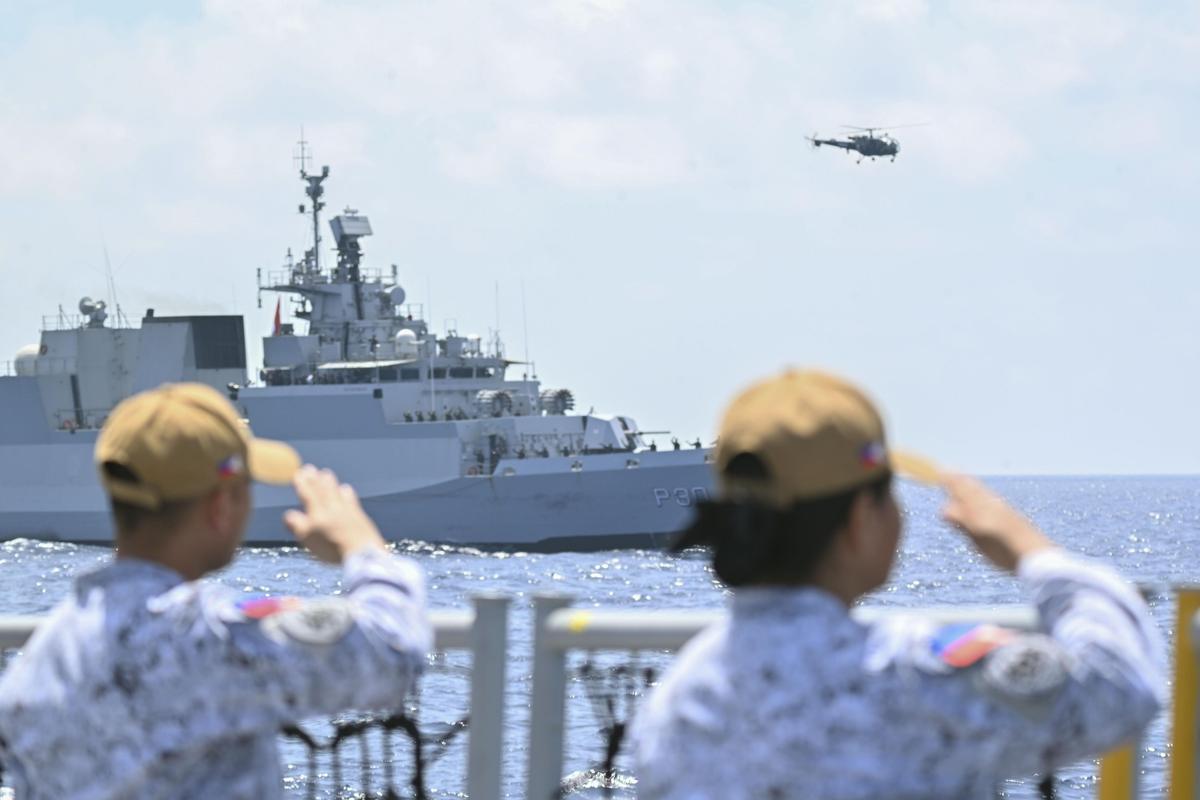
States in the region agree that Beijing's maritime claims are extreme, but they won't join Washington in condemning them
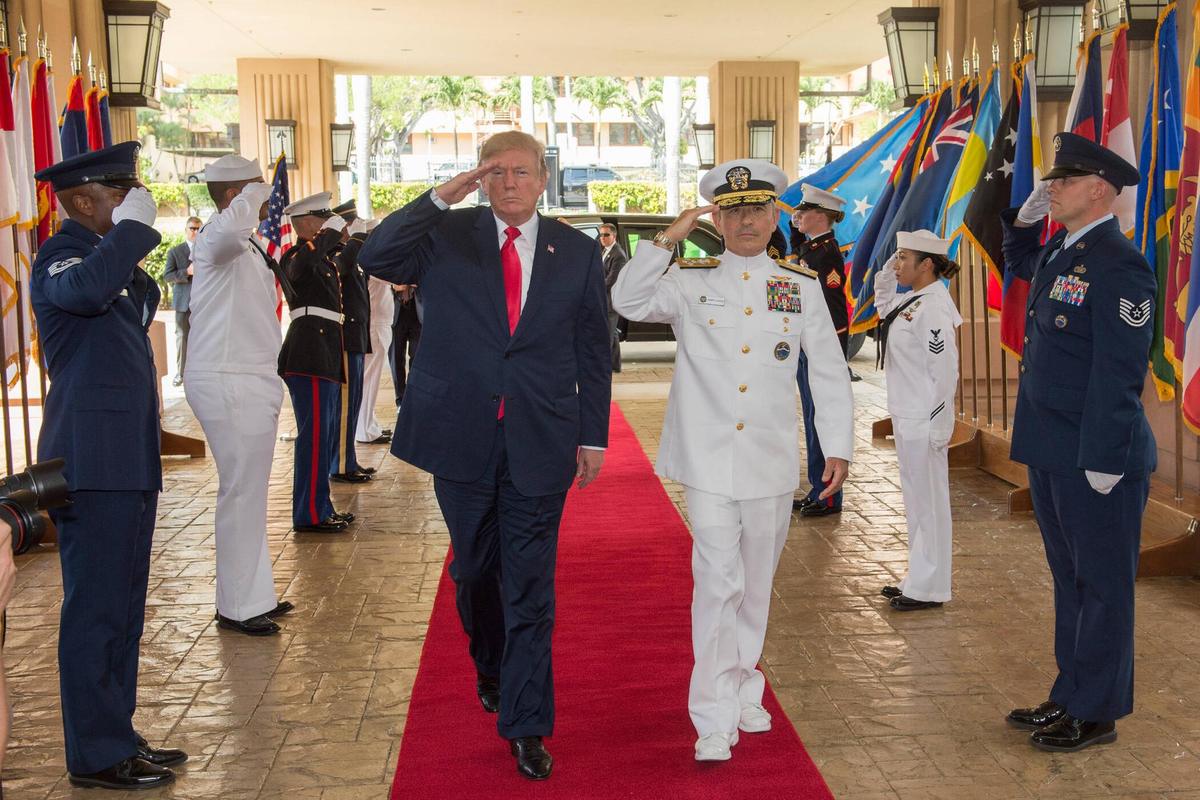
USPACOM's rebranding marks a new strategy, along with the rise of the “Squad” — the US, Japan, Australia, and the Philippines — to check China's power

This includes the Indian subcontinent, China, Japan, the Koreas, and all the members of the Association of Southeast Asian Nations, or ASEAN