

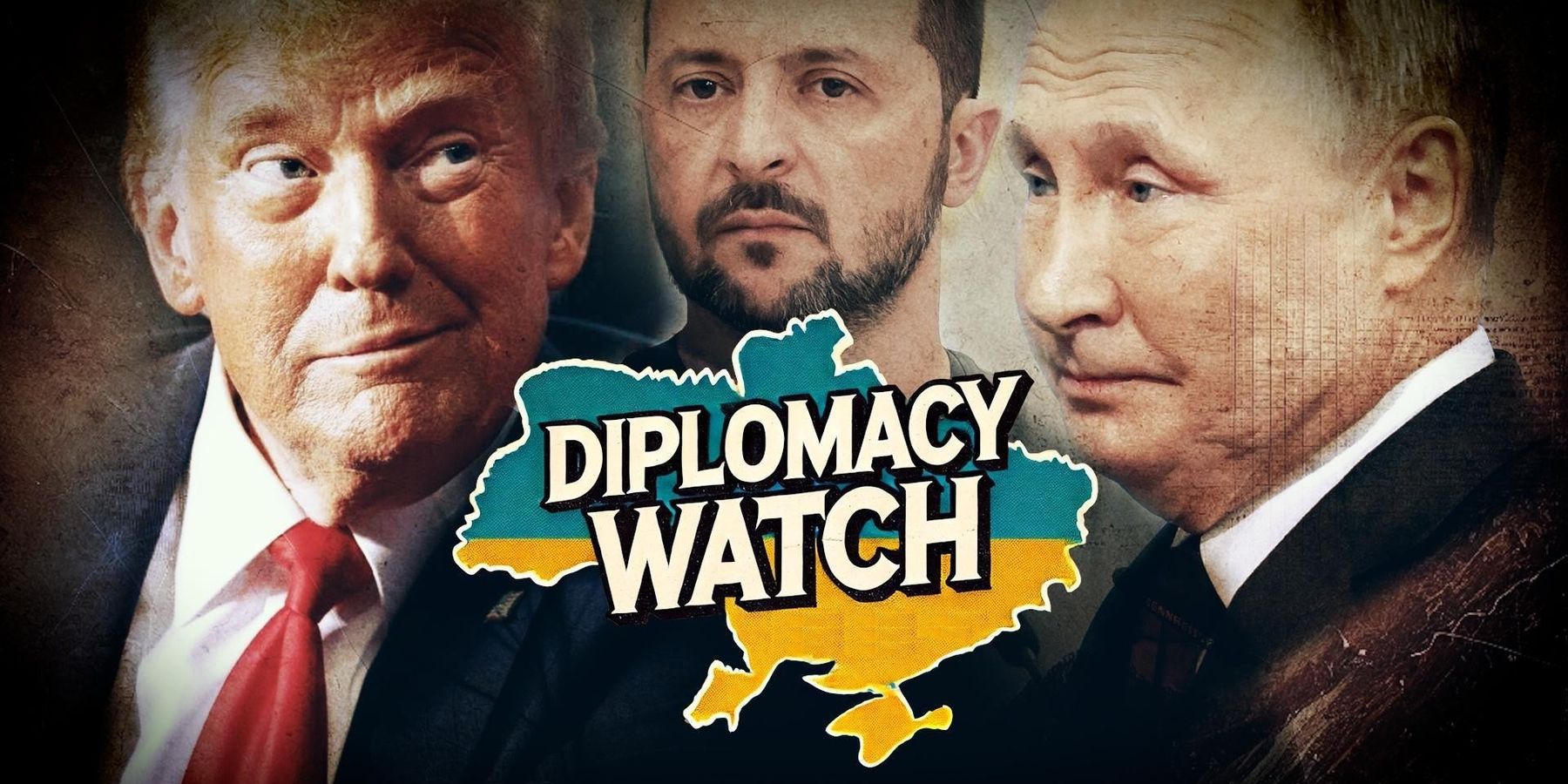
President Trump announced a new arms deal for Ukraine this week, which includes sought after Patriot missiles.
The Europeans, via NATO, will reportedly pay for the deal. Indeed, energized by Trump’s apparent change-of-heart toward Ukraine aid, NATO Secretary General Mark Rutte and German Chancellor Friedrich Merz, reportedly Europe’s ringleader for the weapons deal, have lauded the plan. But it doesn’t appear that all NATO countries are on board as France, Italy and the Czech Republic have signaled outright that they would prefer not to help.
“The Czech Republic focuses on other projects and paths…to help Ukraine, for example, through [its own] ammunition initiative,” Czech Prime Minister Petr Fiala said of his government’s choice to keep out of the Trump proposal, mentioning his country’s own military aid effort. French officials similarly told Politico they wanted to focus on making and buying arms for Ukraine domestically.
Polish Foreign Minister Radosław Sikorski mused that the money for the weapons should come from somewhere else — Russia. "I asked my fellow ministers who should pay for this equipment — European taxpayers or, preferably in my view, the aggressor using frozen assets," he said Tuesday, referring to the frozen Russian assets held in Europe.
Even the EU’s foreign policy representative Kaja Kallas raised concerns. Namely, she praised renewed U.S. interest in helping send Ukraine weapons, but said the relevant costs must be shared between the U.S. and other NATO members.
"If we pay for these weapons, it's our support — so it's European support — and we are doing as much as we can to help Ukraine. And therefore the call is that everybody would do the same," she said Tuesday. "If you promise to give the weapons then say that somebody else is going to pay for it, it's not really given by you, is it?"
Jennifer Kavanagh, senior fellow and director of military analysis at Defense Priorities, told RS that the deal, if it proceeds, is a strategic victory for those Europeans who still want to keep up the fight.
“Europeans have, at least for now, figured out a way to get Trump to do what they want: money. In this case and at the NATO summit, they used the promise of additional European spending on U.S. military equipment to win Trump over, giving him deals and the appearance of ‘wins’ that he could champion domestically,” she said. “The Europeans have clearly found a formula — money plus flattery — to shape Trump's decisions in their direction and ensure the United States stays tied down in Europe.”
But while this “formula” may appease Trump, it may not be good for Europeans’ political future. To this end, non-resident fellow at the Quincy Institute and independent activist Almut Rochowanski told RS that “keeping the U.S. sweet with literal bribes, to keep junior partner status in U.S. primacy — is also terrible for Europe.”
Zooming out, Kavanagh said “the new arrangement will push off any real diplomacy to end the war farther into the future.”
“The weapons the Europeans will now pay for will not be more than Ukraine has received to date, but at best it will be at the same level as until now,” Rochowanski said. “And at that level, Ukraine has been losing every day: losing territory, troops, weapons, infrastructure, civilians who flee abroad. To keep this current warfare going weakens Ukraine. There is no material-technical nor political strategy for changing that equation.”
“Eventually, this war will end with diplomacy, but when that day comes, Ukraine will be a far more diminished nation than it is now and its bargaining chips will be fewer,” she said.
In other Ukraine war news this week:
Reuters reported Tuesday that Ukrainian Prime Minister Denys Shmyhal has filed a resignation letter, as part of an ongoing wartime governmental reshuffle. On Monday, President Volodymyr Zelenskiy nominated First Deputy Prime Minister Yulia Svyrydenko, political ally, for the role. She has been tasked with ramping up Ukraine’s weapons production.
Slovakia, demanding assurance that it would not be harmed by a separate EU proposal to phase out Russian gas, up-ended an EU sanctions package against Russia on Tuesday, according to Reuters. "The government coalition rejects the imbecile proposal of the European Commission to stop the flow of Russian gas from 2028," Fico said of the block. "However, it is ready to negotiate guarantees that will provide Slovakia with a certain comfort in gas supplies after 2028."
European Commission President Ursula von der Leyen included $100 billion in aid for Ukraine in an EU budget proposal unveiled Wednesday, according to EuroNews.
Poland’s foreign minister Radosław Sikorski said Russia attacked a Polish-owned flooring factory in Vinnytsia, Ukraine on Wednesday, according to EuroNews. "Putin's criminal war is getting closer to our borders,” Sikorski said, calling the attack deliberate.
Russia launched hundreds of drone and missile strikes at six Ukrainian regions Tuesday evening, killing two and injuring 25, according to NBC News.From State Department Press Briefing July 16:
On Wednesday, State Department Spokesperson Tammy Bruce explained why Trump is going forward with new military aid to Ukraine. Trump is “not impressed with the nature of how things have moved forward, and that’s what we rely on. We hear …that he’s not happy. And I think his current actions of taking a path in order to provide Ukraine with more defensive weapons is an indication of that,” she said.
“But I’ve said before that while he is a diplomat and is forever optimistic about diplomacy, he’s also a realist. And the world has seen — as Iran has seen, and now with these new actions by the President that Russia is seeing — that he has — he’s a patient man, but not at the expense of his vision and making that happen.”