

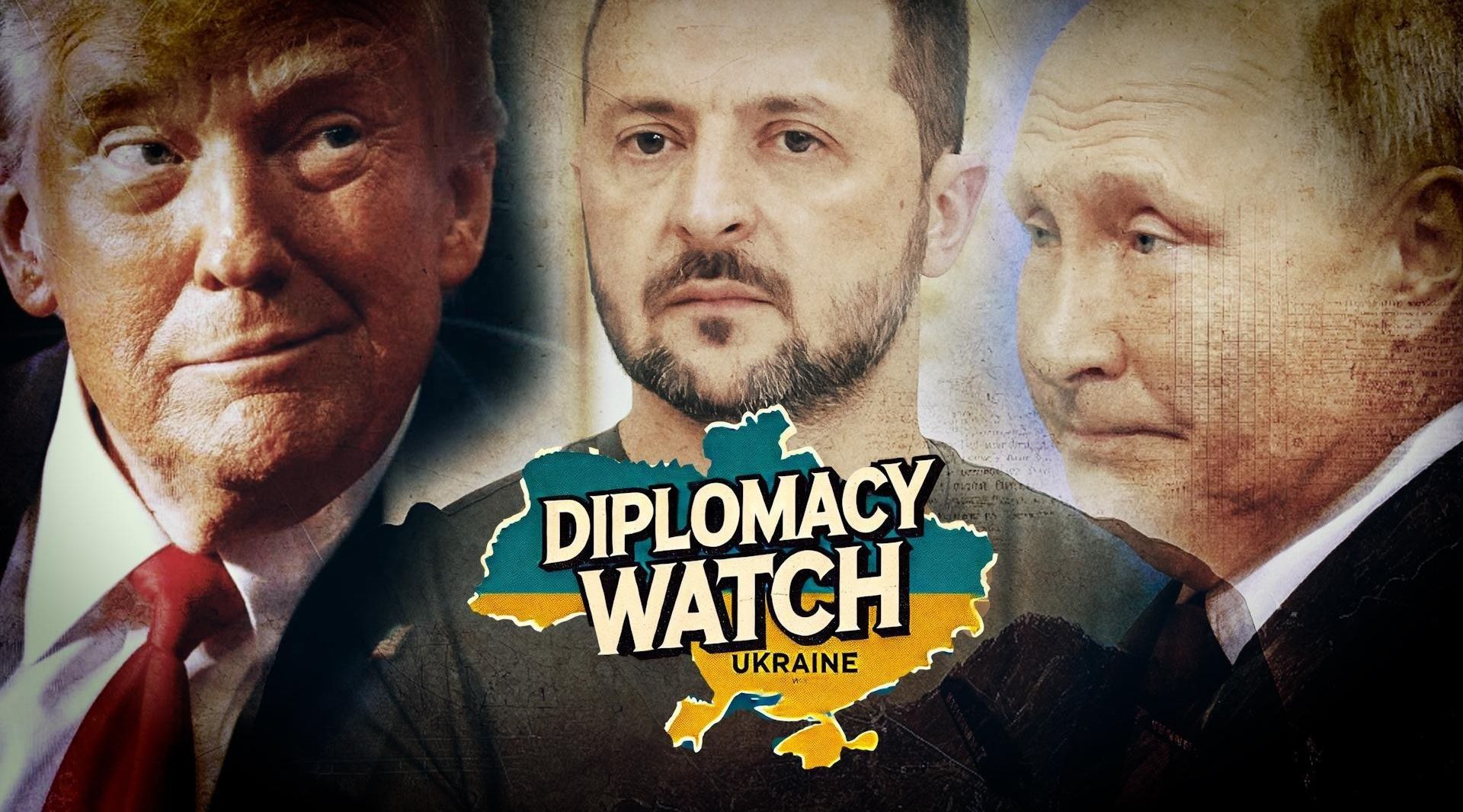
Ukraine’s recent attacks on Russian air bases and the Kerch Bridge in Crimea may have complicated the peace process and appear to have provided Russian President Vladimir Putin with an excuse to escalate the conflict.
On June 1, just as both sides were preparing for direct peace talks the following day, Ukraine launched a large-scale drone attack, targeting four of Russia’s military airbases. Deemed "Operation Spiderweb," the attacks were aimed at air bases deep in Russian territory and successfully hit targets in two, with at least 41 destroyed or damaged aircraft.
The operation reportedly involved 18 months of planning and demobilized or destroyed a significant portion of Russia’s long-range bombers. Rather than flying drones from Ukraine into Russian territory, Ukrainian operatives smuggled around 150 small-to-medium-sized drones into Russia on cargo trucks. The drones were remotely operated and released close to their targets to avoid Moscow's multi-layered missile defense systems.
After this successful operation, Ukraine launched an attack on the bridge that connects Russian-occupied Crimea to mainland Russia across the Kerch Straight. According to the Russian defense ministry, the bridge weathered explosives that were triggered on multiple support pillars, but was not severely damaged. There were no reported casualties.
Russian President Vladimir Putin vowed to respond appropriately and called Kyiv a “terrorist regime.” Putin also expressed his need to respond to the attacks during a phone call with President Donald Trump.
These attacks further complicate an already shaky peace process. Kyiv insists on an immediate 30-day cease-fire that Moscow is not inclined to accept without concessions from Ukraine.
This week’s peace talks in Istanbul did not result in a truce or other significant progress. Both sides agreed to swap severely wounded POWs and return the bodies of thousands of killed soldiers. Neither side agreed to a new ceasefire. "Peace memos" were reported by both sides, detailing demands for each that were, as the Quincy Institute's Anatol Lieven described, "completely mutually incompatible; they suggest that at present neither side is in fact interested in an early peace."
Quincy Institute’s Mark Episkopos agreed. “Russian and Ukrainian views on war termination are still very far apart. Zelensky is backing an unconditional 30-day ceasefire in an apparent bid to freeze the war without having to accede to any of Russia’s demands,” and “Moscow is not inherently opposed to a ceasefire, but is unwilling to relinquish its battlefield leverage without progress on its core demands.”
Episkopos likened Ukraine’s recent attack inside Russia to the Tet Offensive in Vietnam, calling it “a symbolic and political step aimed at pressuring Russia into ending the war on Ukraine’s terms." However, "This effort will likely not just fail but generate a counterproductive effect.”
In other Ukraine War news:
Bloomberg reports on Russia’s economic challenges as Moscow continues to increase its defense spending, while other industries see limited growth or stagnation. Production output for military vehicles and aircraft surged by 32% during the first four months of this year, with most civilian manufacturing sectors lessening output. Additionally, inflation is almost double the central bank’s 4% target.
The Center for Strategic and International Studies released a report on Thursday, finding that Russia has suffered around 1 million soldiers killed or wounded thus far in its war with Ukraine. The report also details how Russian battlefield gains have considerably slowed and have come at the expense of heavy casualties. NBC News reports that Ukraine has suffered around 400,000 casualties.
North Korean leader Kim Jong Un announced that he will give “unconditional support” to Russia’s effort in its war with Ukraine. The Associated Press reports that Kim met with Russian Security Council Secretary Sergei Shoigu in Pyongyang this week, where both parties affirmed their partnership and discussed how to commemorate the efforts of North Korean troops in the war.
From this week’s State Department press briefing
A reporter asked department spokesperson Tammy Bruce if the United States believed Ukraine was slow-walking the peace process, referencing President Trump’s two-week deadline. Bruce responded that both sides are committed to ensuring the process doesn’t drag on for months. She also affirmed Trump’s insistence that meaningful progress will be made through negotiations directly between the two parties.
- Ukraine attacks in Russia should be an alarm bell for Washington ›
- Droning Russia’s nuke radars is the dumbest thing Ukraine can do ›