

For more than two decades, endless wars have destabilized the Middle East, creating huge amounts of human suffering, displacement and trauma. The region is exhausted, with little faith in the possibility of peace and few structures to enable it.
The region is now at an inflection point; it can continue endless violence or undertake serious mediation and conflict resolution. The war with Iran has exposed the limits of U.S. military power, leaving only one practical option on the table: pursuing negotiations that recognize the balance of power in the region and the security concerns of all parties. This requires very careful engagement and mediation.
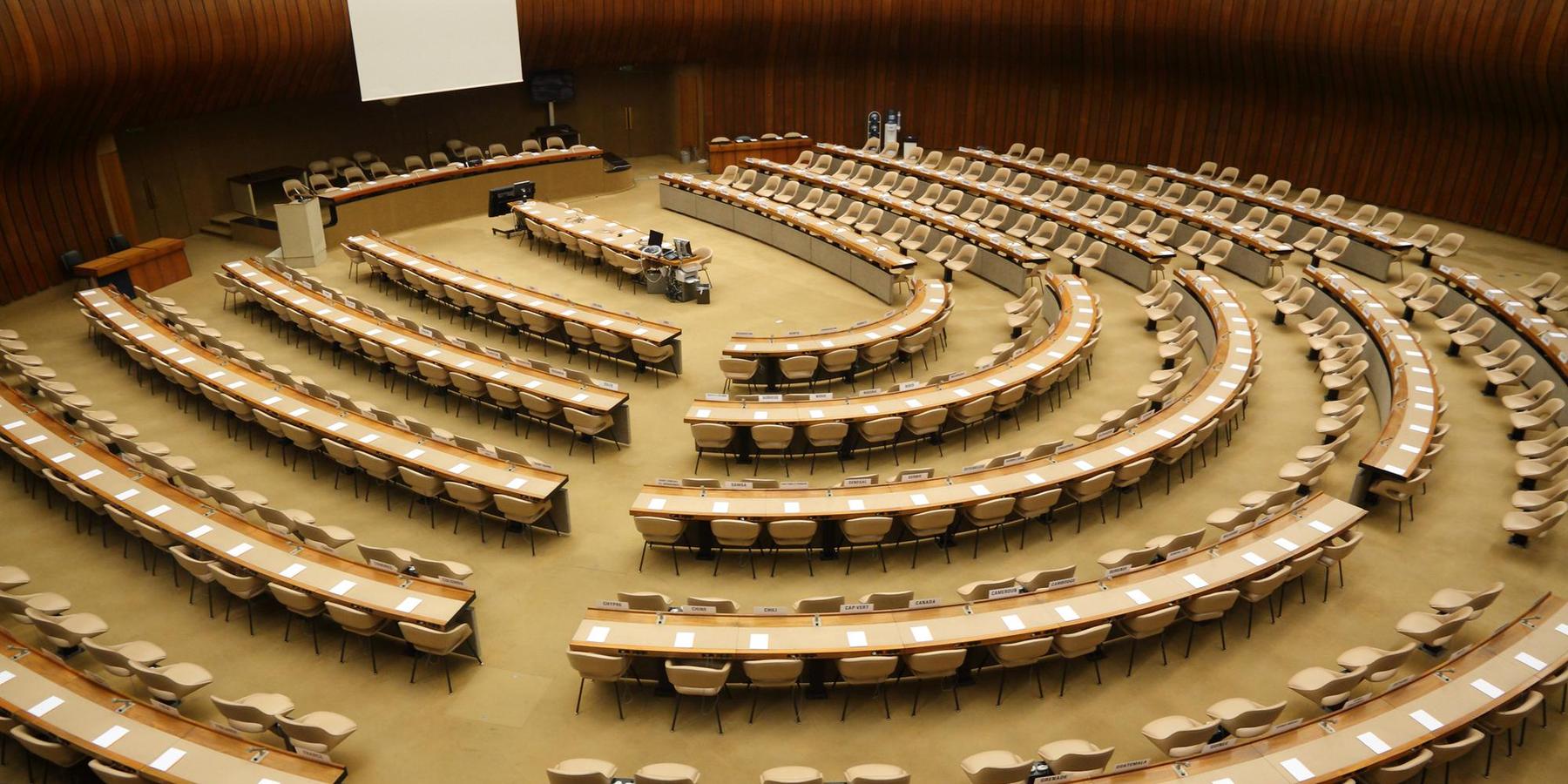
There are multiple overlapping conflicts and rivalries within the region. Breaking this cycle requires more than another round of emergency diplomacy; it requires permanent structures for mediation and peacemaking. This article proposes a regional peace table, not for crisis management alone, but to work continuously toward transforming hostile regional relationships into pragmatic ones based on mutual self-interest rather than enduring enmities. The long-term goal is an order built around dialogue, engagement and mutual dependency rather than coercion.
The United States, long regarded as the region's principal power broker, has emerged from this period with a bruised reputation. Gulf partners, while recognizing that the U.S. will remain relevant, now view Washington as unreliable and insouciant toward their security concerns.
Against this backdrop, so-called "middle powers" have gained new relevance. Countries such as Turkey, Saudi Arabia, Pakistan, Oman, Qatar, and Egypt are emerging as both mediators and security partners within the Gulf. Over the coming years, their rising role could shape conflict management and resolution across the region and beyond.
Ideas for a more durable regional security architecture in the Middle East are emerging, one in which Iran and Israel will eventually sit at the same table. This does not require trust between the various countries. Moves toward peace rarely start with mutual confidence; a regional peace table would provide the necessary container through which trust can slowly be rebuilt.
War breeds hatred and typically ends not through goodwill but exhaustion, when both sides have hurt each other badly enough to recognize that this old path can't continue. Therein lies the good news: great destruction can spark great creativity.
A mediation architecture
The Middle East holds multiple interconnected conflicts, including Israel's relationship with the region, the Palestine-Israel conflict, the Iran-Israel relationship, the Gulf's fractured relationship with Iran, the aftermath of Syria’s civil war, and Lebanon's fragile state. All require permanent, sustained mediation rather than the cycles of war that have become the norm.
Pragmatically, there will need to be separate negotiating tables, but at the same time a recognition that these conflicts are interconnected. There will be no reduction in the hostile relationship between Iran and Israel, for example, without addressing wider regional issues.
Lessons from Helsinki
In 1975, the Western and Eastern Blocs came together to sign the Helsinki Accords, which created the foundation for the Organization for Security and Co-operation in Europe (OSCE). This regional roundtable emerged from the Cold War not by resolving underlying disputes, but by creating permanent architecture within which disputes could be managed and eventually transformed.
Helsinki succeeded because it let rival blocks participate without having to concede. It asked adversaries to commit to a shared table and process that would outlast any single crisis. The Middle East needs its own version, with a permanent negotiating framework.
A Middle Eastern equivalent would require two complementary tracks. Track 1, a state-led track, would consist of a standing intergovernmental process, with working groups on regional security, economic cooperation, humanitarian issues and crisis management. Running alongside it, track 2 diplomacy would bring together politicians, academics and conflict-resolution practitioners to explore politically sensitive ideas that governments cannot yet discuss publicly. The aim is to come up with new ideas that advance peace and not war.
The relationship between these tracks would be critical. Governments negotiate under domestic political constraints and public scrutiny. Unofficial dialogue provides the flexibility to test ideas, identify common interests and prepare the ground for formal agreements. Many successful diplomatic initiatives have begun in precisely these unofficial settings before government involvement. The Oxford Process is one example; the authors of this article are involved in such processes with Middle Eastern leaders today where there is energy and interest in these ideas.
A permanent table would need a standing secretariat, regular sessions, and pre-agreed rules for engagement. Qatar and Oman are the natural homes given that dialogue and mediation are the primary levers through which these countries manage power. Plus, they already have existing back-channels to Iran, the U.S., Israel, and the Gulf.
When such a table is established, a pilot project could start with low hanging fruit in Gulf-Iran relations, where motivation for progress already exists. A wider security architecture would also be developed in parallel, including Gulf states, Turkey, Egypt, Pakistan and Jordan.
Iran and Israel will inevitably need seats in any lasting security architecture for conflict avoidance. The goal initially is not reconciliation but mutual non-aggression, transforming hostility into restraint. Direct talks are currently inconceivable, but preparatory Track 2 discussions with an emphasis on communication can proceed through separate, curated groups, with messages passed between them.
The Palestinian question is the connective tissue between nearly every regional conflict. Progress requires nothing short of a credible, irreversible pathway to Palestinian statehood. This is why Israel's October 2026 elections matter; if a more pragmatic coalition wins, it could open the door to progress and a desire to improve relationships with the region.
Such a process would need to start incrementally, although a broader vision of the endgame is essential. The rising role of middle powers like Qatar makes this kind of multilateral table more viable than it would have been a decade ago, when Washington's word alone was expected to settle conflictual issues. An initiative that is seeded by, and emerges from, the region itself would be far more sustainable.
The argument that war is inevitable is the easier position because it asks for no political imagination and no first move. Yet war continues to show itself as an ineffective tool to achieve peace, sparking instead endless cycles of violence.
Breaking these patterns requires deliberate, careful architecture that must be sustained over years rather than convened in emergencies, and that must be capable of dealing with Iran-Israel, Lebanon, and Palestine as interlocking problems rather than separate files. Separate negotiations will be required, but they will be bolstered by the systemic and interconnected conversation that such a regional table could provide.
Overcoming the profound political problems facing the Middle East will not be easy. But investing in the machinery of peace costs a fraction of what is currently being spent on missiles and bombs.