

It’s now been more than a month since Iran effectively closed the Strait of Hormuz, a crucial strategic waterway through which 20% of the world’s oil trade usually passes. Despite President Donald Trump’s claims of having obliterated the Iranian military, Tehran appears poised to dictate the terms of traffic through the strait for the foreseeable future.
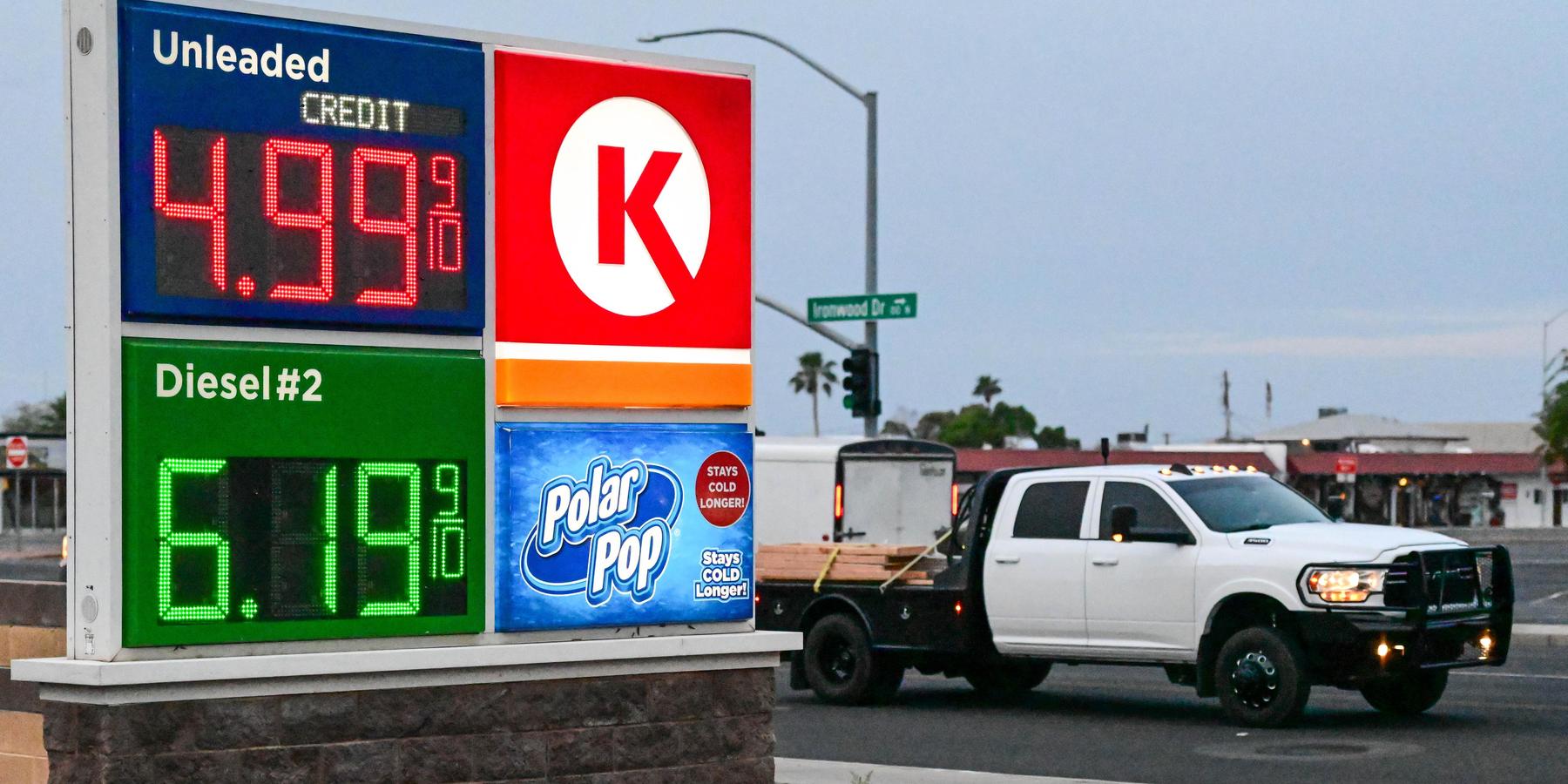
So what does this mean for Americans? Many are feeling the squeeze through higher prices at the pump, with the average per-gallon cost jumping by nearly 50% since the start of the war. But this only shows a small part of the problem. Using data from oil futures markets, we can calculate the likely cost that this conflict will have on your pocketbook over the next year.
The picture isn’t pretty. According to my math, the average American driver can be expected to spend an extra $235 at the pump over the next year, largely because of a war with unclear objectives and no obvious timeline for reaching a ceasefire.
Use the calculator below to estimate the cost to your family. (Read on for more details about the data and the methodology that underlies it.)
Understanding the numbers
There is no foolproof way of predicting how gas prices will fluctuate over the next year. But oil futures markets — which airlines use to shield themselves from rapid price swings — provide the best available tool for estimating this volatility.
The model effectively does two things. Firstly, based on futures prices, I estimate how much crude oil will cost. That’s less than half of what you’re paying for at the pump, so I then transform the cost of a barrel of oil into how much consumers pay for a gallon.
To inform the model, I draw on ten years of data from the U.S. Energy Information Administration (EIA). When I back-tested this model using historical data from the New York Mercantile Exchange (NYMEX), I found that, on average, one-month futures prices came within 5-10% of the final price, except for the Great Recession and COVID, when the percentage error climbed as high as 23%. Going out to four months roughly doubled the baseline percentage error.
As with all market-based estimates, this prediction is subject to change. If the U.S. suddenly strikes a deal with Iran that reopens the strait, for example, we could well see a sudden drop in fuel costs, though that may not immediately translate into pre-war prices. If Iran succeeds in current attempts to damage other oil-exporting infrastructure in the region, prices will rise, and pump prices tend to rise faster than they fall.
The correlation between Brent crude and the price at the pump can also vary; the error bands in the above graph reflect that uncertainty, showing the possible range of gas station prices based on the likely cost of Brent crude. I also calibrated the model to deal with typical seasonal fluctuations in pricing.
In concrete terms, this uncertainty means that the lower estimate reflects the price of gas if the Strait of Hormuz returns to normal, and the high estimate shows what would happen if further escalation led to even greater disruption in oil markets. For now, the dark blue line shows what markets suggest Americans will pay for gas over the next year, barring circumstances that traders failed to foresee. And that number goes up even higher if you pay for heating oil, buy anything delivered by a truck that runs on diesel, or eat food that uses artificial fertilizer.
However you cut it, the upshot is clear: Americans will pay a lot more for gas because of this war.