

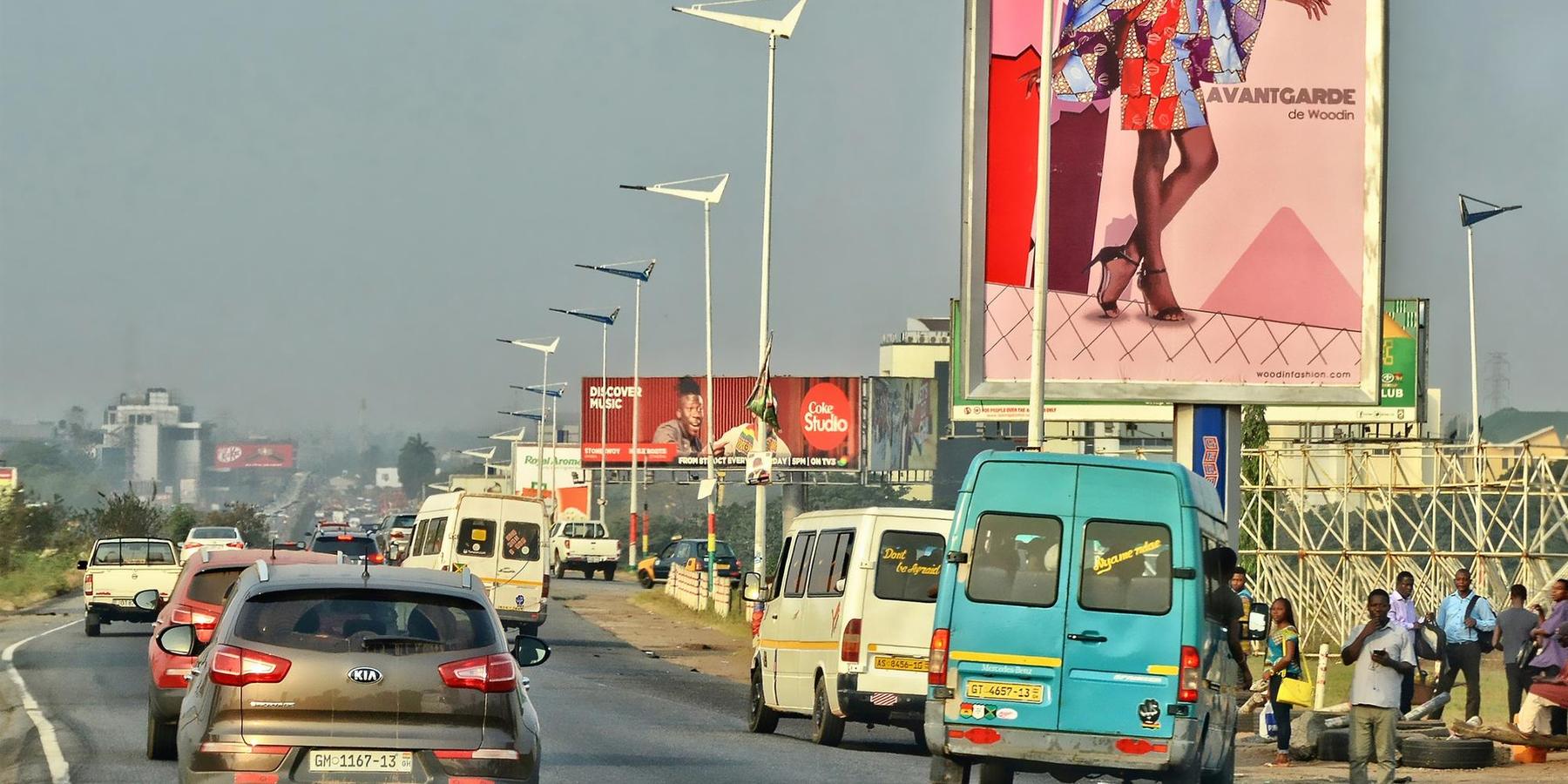
The global energy crunch caused by the American-Israeli war on Iran is severely impacting Africa’s ability to access affordable fuel, leading governments to scramble for new sources of energy.
Years of underinvestment by African governments in refining equipment and other infrastructure necessary to refine oil and gas has left much of Africa unable to produce enough domestic energy to dampen the effects of rising global energy prices.
In 2023 — the last year with full data from the International Energy Agency — Africa produced 8% of the world’s unrefined crude oil. But only 2% of the world’s refined oil supply came from the continent. That year, Africa exported 68% of the (mostly unrefined) crude oil it produced, and imported 61% of the oil used in final products (such as diesel and gas) purchased by consumers across the continent.
The continent’s heavy reliance on foreign refineries has now left it in a vulnerable position. South Africa is a case-in-point.
From 2020 to 2024, several refineries in South Africa closed due to the country’s failure to sufficiently invest in maintenance. These closures reduced the country’s refining capacity by about half. In 2023, oil made up 43% of South Africa’s total energy consumption, and nearly 80% of the refined oil consumed by South Africans came from foreign suppliers.
The country’s consumers have faced steep cost increases in recent weeks. As a result of jet fuel rising by 70% in a single week, FlySafair — a low-cost international airline based in the country — has started charging a “dynamic fuel surcharge” to customers that will last at least two months. The country’s Department of Mineral Resources and Energy, which sets South Africa’s fuel prices on the first Wednesday of every month, is also reportedly considering increasing prices by as much as 25% on gasoline and 44% on diesel.
Another challenge facing South Africans amid the chaos of the energy shock is potential market manipulation. Some of the country’s diesel providers are reportedly limiting the sale of diesel in order to artificially increase prices further. In response to this concern, Minister of Mineral and Petroleum Resources Gwede Mantashe has said his ministry would investigate the matter and take legal action against all those who illegally withhold diesel.
Other governments are also facing down fuel hoarders. Kenya’s Cabinet Secretary of Energy and Petroleum Opiyo Wandayi said, “we note with concern reports of product hoarding and speculative withholding of [fuel] stocks.… This conduct is commercially opportunistic, contrary to the public interest, and in direct breach of licensing obligations.”
The current supply crunch has forced African governments with heavy state control over their country’s energy sector to raise prices. On March 18, the Zimbabwe Energy Regulatory Authority, which oversees Zimbabwe's energy sector and sets domestic energy prices, increased the price of diesel and gasoline by 15 and 25%, respectively.
Ethiopia, which purchases most of its refined fuel from the Gulf, has also been hit hard by the energy shock. In response to demand for energy outpacing supply, the country’s prime minister Abiy Ahmed posted a message on social media urging his country’s residents to limit fuel consumption.
“Due to the crisis in the Middle East, countries that buy and use oil have not been able to get enough,” Ahmed wrote, urging “fuel distributors, petrol stations and consumers to give priority to basic things and use it responsibly.”
In an effort to tamp down prices, Ethiopia has issued a fuel subsidy of roughly $0.63 per liter for diesel and $0.47 per liter for gas.
Egypt — half of whose energy consumption comes from oil, with 21% coming from natural gas — has also taken action to limit fuel consumption in an effort to reduce demand at a time when supply is low and prices high. The country has announced that it will close government offices early, and, beginning on March 28, will require malls, restaurants, and retailers to close no later than 9pm on weekdays and 10pm on weekends. Additionally, illuminated billboards will be dimmed and public lighting reduced.
The war’s financial toll on Egypt has already been substantial. The cost of imported natural gas to the country has increased from around $560 million per month before the war started to $1.65 billion per month now.
As bad as the current energy shock has been for Africa, the economic situation would likely be far worse if not for Nigeria’s Dangote oil and gas refinery plant. Opened in May 2023, the plant produces up to 650 million barrels of oil per day.
Dangote has helped Nigeria — which accounts for about one-fifth of Africa’s total gasoline intake — significantly reduce its reliance on foreign energy sources, and, amid the current energy crunch, has allowed the country to help meet the demand of neighboring African states. Dangote’s capacity is so high that it can single-handedly meet all of Nigeria’s demand for refined oil. In a nod to Dangote’s high capacity, Nigeria’s government recently suspended import licences for gasoline at all times when “local production is sufficient.”
Although the Nigerian government only allows about a quarter of Dangote’s output to be exported, a number of African states are lining up for Nigerian fuel amidst the current energy crisis. Nigerian exports of refined gasoline have increased from 100,000 barrels per day in February to 214,000 so far this month, with exports to African countries increasing from 38,000 to 90,000 barrels per day over that period. Nigeria has sold a total of 456,000 metric tons of refined gasoline to Cote d'Ivoire, Cameroon, Tanzania, Ghana and Togo in recent weeks, with South Africa and Kenya also reportedly expressing interest in Dangote’s fuel.
But given the volatility in global oil markets, Nigeria is still struggling with high domestic fuel prices, which have increased by about 50% since the crisis began. Like many of its African neighbors, Nigeria is facing the consequences of underinvestment across its energy industry, which has forced many of the country’s oil wells to close over the years. But with demand for its oil skyrocketing amid the global crisis, Nigeria's government has stepped in to expedite the process of approving permits for those seeking to revive idle oil wells. Approval that used to take two to six weeks has now been cut down to just a few hours.
This crisis has laid bare the extent of Africa’s vulnerability to a major disruption in the global energy market. Other African states should follow Nigeria’s example and invest, where possible, in the construction of refining plants necessary to process crude oil and natural gas in an effort to ensure as much domestic energy independence as possible. In the meantime, purchasing Dangote’s refined oil and gas serves as the best course of action for many of the continent’s countries with limited domestic refining capacity.
- Trump bombing US-Arab relations back to the 70s ›
- South Africa: Between Iran and a hard place (Donald Trump) ›